
I spent years treating dates as a health-food ingredient that belonged in energy balls and smoothies, not in serious baking. Then I tried them in brownies, and the results forced me to reconsider.
Dates are not a perfect one-to-one replacement for sugar. They bring their own flavor, color, and moisture. But when the recipe can handle those qualities—especially anything chocolate—they solve several problems at once. They sweeten, they bind, they keep the crumb fudgy, and they let you drop a large portion of the granulated sugar without the dry, cakey texture that ruins so many low-sugar brownies.
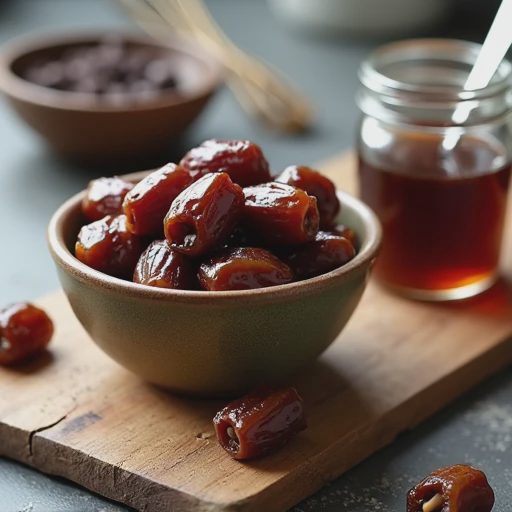
Why Dates Work Where Other Substitutes Struggle
Sugar in brownies does more than sweeten. It helps create that shiny, crackled top, keeps the interior moist, and contributes to the dense, fudgy structure people want. Remove too much of it and you often get something closer to chocolate cake—or worse, chocolate cardboard.
Date paste replaces several of those functions at the same time:
Sweetness — Medjool dates are quite sweet, though less concentrated than granulated sugar by volume.
Moisture and binding — The natural fiber and sugars hold water and give the batter a cohesive, almost caramel-like quality.
Chew and density — They push the texture toward fudgy rather than cakey.
Flavor — They add a deep, caramel note that pairs especially well with dark chocolate.
The trade-offs are real. Dates darken the batter, add a distinct flavor, and contribute actual carbohydrate (they are still fruit sugar). They are not a low-glycemic magic trick. They are a whole-food way to reduce refined sugar while protecting texture.
How to Make Date Paste
I keep a jar in the refrigerator most of the time.
12–14 soft Medjool dates, pitted
2–4 tablespoons hot water (just enough to blend)
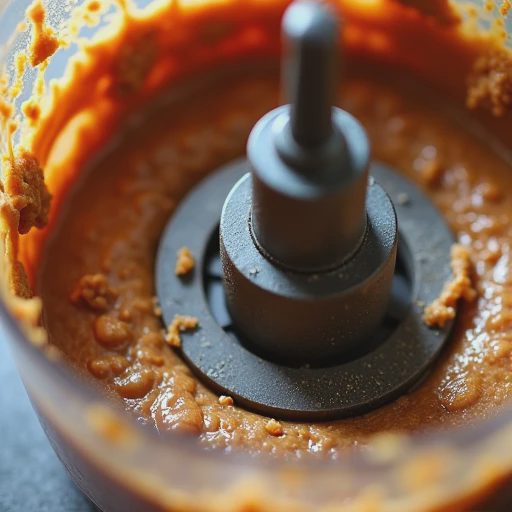
Soak the dates in hot water for 5–10 minutes if they are firm. Drain, then blend or process until completely smooth. Add water a teaspoon at a time if needed. The final paste should be thick but spreadable, like soft caramel.
One cup of tightly packed date paste is roughly the right starting amount to replace 1 cup of sugar in brownies, though I usually combine it with a smaller amount of allulose or a monk fruit blend so the sweetness lands where people expect.
The Brownie Approach That Changed My Mind
My current working formula for an 8-inch pan of fudgy brownies looks something like this:
A base of melted dark chocolate and butter (or oil)
¾ cup date paste
¼–⅓ cup allulose or 1:1 monk fruit blend (to top up sweetness without more bulk)
Eggs, vanilla, a little espresso powder or salt to sharpen the chocolate
Modest amount of flour or almond flour
Optional handful of chocolate chunks
The date paste replaces most of the sugar and some of the fat’s tenderizing work. The small amount of alternative sweetener keeps the overall sweetness from falling short. The result is dense, moist, and deeply chocolatey. The date flavor is present if you look for it, but most people simply taste “rich brownie.”
I have tested versions with only date paste and no other sweetener. They work, but they taste more like a chocolate-date confection than a classic brownie. The hybrid approach lands closer to what people expect when they ask for a brownie.
Practical Tips From Repeated Batches
Soft dates matter. Dry, hard dates produce grainy paste and a drier final texture. If your dates are not soft, soak them longer.
Blend until truly smooth. Any remaining pieces of skin will show up as chewy bits in the finished brownie.
Reduce other liquids. Date paste brings moisture. If the original recipe is already wet, you may need a spoonful or two of extra flour or cocoa.
Expect a darker color. Dates push the brownies toward a deep mahogany. This is usually a visual improvement.
Let them cool completely. Fresh-from-the-oven date brownies can seem under-set. The texture improves as they cool and the moisture redistributes.
Storage. They stay moist for several days at room temperature and freeze well.
Where Else Dates Shine (and Where They Don’t)
Good fits: Brownies, blondies, dense chocolate cakes, certain muffins, fruit-and-nut bars, no-bake cookies.
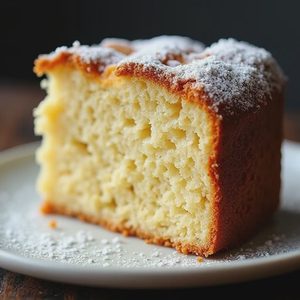
Poor fits: Delicate vanilla cakes, light sponge cakes, shortbread, anything where you want a clean, neutral sweetness and pale color.
I still use allulose and monk fruit blends for most cookies and lighter cakes. But for brownies, dates earned a permanent place in the rotation. They let me cut a significant amount of refined sugar while protecting the one quality that matters most in a brownie: that dense, fudgy, slightly chewy texture that makes people reach for a second piece.
Less sugar. Same joy. Sometimes the oldest ingredients are the ones that finally make the new approach work.

Letters
No letters yet — be the first to write.