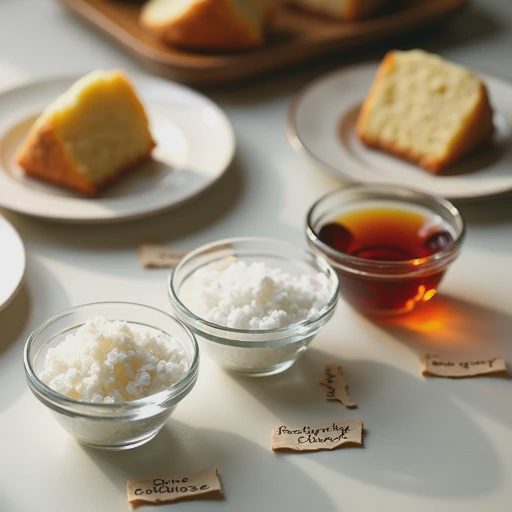
Once you decide to lower the sugar, the next question is almost always the same: which sweetener should I actually use?
I get asked this more than any other baking question. The honest answer is that it depends on what job you need the sweetener to do. Sweetness is only one function. Texture, browning, moisture, flavor, and how the finished bake holds up overnight matter just as much. Monk fruit, allulose, and maple syrup each handle those jobs differently. Understanding the differences saves you from a lot of pale, dry, or oddly flavored experiments.
Here is the practical breakdown from years of side-by-side testing in my own kitchen.
Allulose
What it is: A rare sugar that occurs in small amounts in figs, raisins, and maple syrup. It is absorbed by the body but not metabolized for energy, so it contributes almost no calories and has negligible effect on blood glucose.
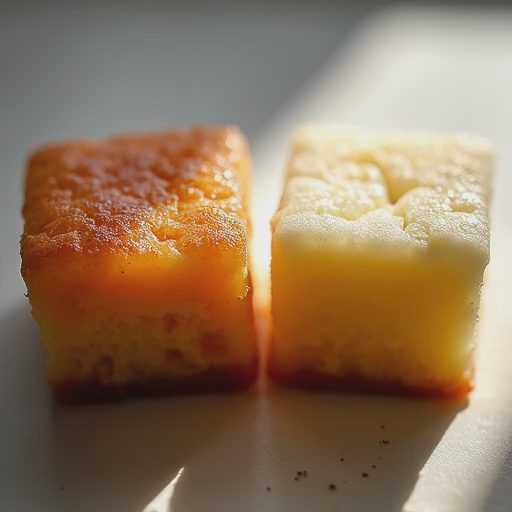
Sweetness: About 70% as sweet as table sugar. You typically use 1¼ to 1⅓ cups to replace 1 cup of sugar.
What it does well in baking:
Browns and caramelizes. It participates in the Maillard reaction, so cookies and cakes actually develop color.
Holds moisture. Baked goods stay softer longer than with most other alternatives.
Dissolves cleanly and has almost no aftertaste.
Provides bulk, so structure does not collapse the way it can with pure high-intensity extracts.
Limitations:
More expensive than many other options.
Can brown faster than sugar, so I often drop the oven temperature 10–15°F.
In very high amounts some people notice digestive effects, though it is generally better tolerated than erythritol.
Best uses: Chocolate chip cookies, drop cookies, cakes where you want a golden surface, any recipe in which texture and appearance matter as much as sweetness.
Monk Fruit
What it is: An extract from the monk fruit (luo han guo). The sweet compounds are mogrosides. Pure extract is 150–200 times sweeter than sugar. Most products sold for baking are blends with erythritol or allulose so they measure more like sugar.
Sweetness: Pure extract is extremely concentrated (often ½–1 teaspoon replaces 1 cup of sugar). 1:1 blends are formulated to match sugar’s sweetness cup-for-cup.
What it does well:
Clean sweetness with little to no caloric impact and no effect on blood sugar.
Heat-stable.
When blended with allulose, you get both sweetness and better baking performance.
Limitations of pure extract or erythritol blends:
Pure extract provides zero bulk, zero browning, and zero moisture retention. You must add something else to replace those functions.
Erythritol-based blends can give a cooling sensation and may recrystallize, especially in no-bake applications or in the refrigerator.
Browning is usually weak unless the blend contains allulose.
Best uses: Everyday 1:1 swaps when convenience matters, sweetening whipped cream or frostings (powdered blends dissolve better), boosting sweetness in an allulose-based recipe without adding more volume.
Maple Syrup
What it is: The concentrated sap of sugar maple trees. I use real Vermont Grade A or B. It contains natural sugars (mostly sucrose) plus minerals and flavor compounds.
Sweetness: Less sweet by volume than granulated sugar. The usual starting ratio is ¾ cup maple syrup to replace 1 cup of sugar, while reducing other liquids in the recipe by about 3 tablespoons.
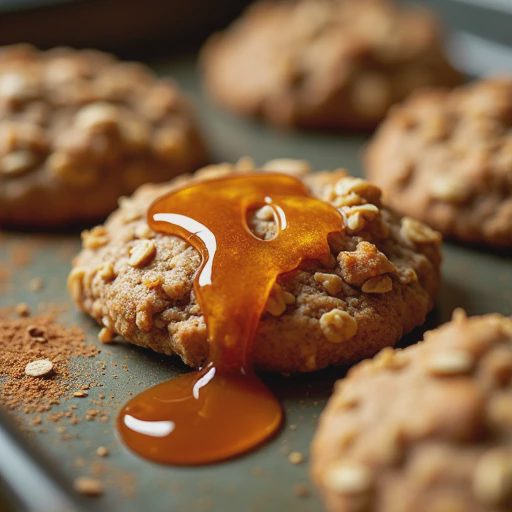
What it does well:
Adds complex, caramelized flavor that many people prefer to plain sugar.
Contributes moisture and helps with browning.
Feels “real” in a way that highly processed alternatives sometimes do not.
Limitations:
It is still sugar—primarily sucrose—so it affects blood glucose more than allulose or monk fruit.
Strong flavor. In delicate vanilla or lemon bakes it can dominate.
Liquid form requires adjusting the rest of the recipe so the batter does not become too wet.
Darker grades brown faster and can make the finished color deeper than you expect.
Best uses: Recipes where maple flavor is welcome (oatmeal cookies, certain cakes, granola, glazes), or when you want a less-processed option and are comfortable with a moderate amount of real sugar.
Quick Decision Guide
Goal | Reach for first | Why |
|---|---|---|
Best overall texture & browning | Allulose | Closest behavior to sugar |
Easiest 1:1 convenience | Monk fruit 1:1 blend | Measures like sugar |
Flavor depth + moisture | Maple syrup | Taste and tenderness |
Lowest impact on blood sugar | Allulose or pure monk fruit | Minimal glucose response |
Chocolate or spice recipes | Any of the three | Strong flavors hide differences |
Delicate vanilla or citrus | Allulose or light maple | Cleaner or complementary flavor |
How I Actually Mix Them
I rarely use only one sweetener in a recipe anymore. A common working combination for 1 cup of sugar is:
¾–1 cup allulose (bulk, moisture, browning)
plus a small amount of monk fruit (to lift sweetness without extra volume)
and, when the flavor fits, 1–2 tablespoons maple for depth
This hybrid approach consistently outperforms any single sweetener in side-by-side family taste tests.
There is no universal “best” sweetener. There is only the best sweetener for the specific bake in front of you and the priorities you care about most—texture, blood-sugar response, flavor, cost, or convenience. Once you know what each one contributes beyond sweetness, the choice becomes much clearer.
Less sugar. Same joy. The right tool for the job is how you get both.


Letters
No letters yet — be the first to write.