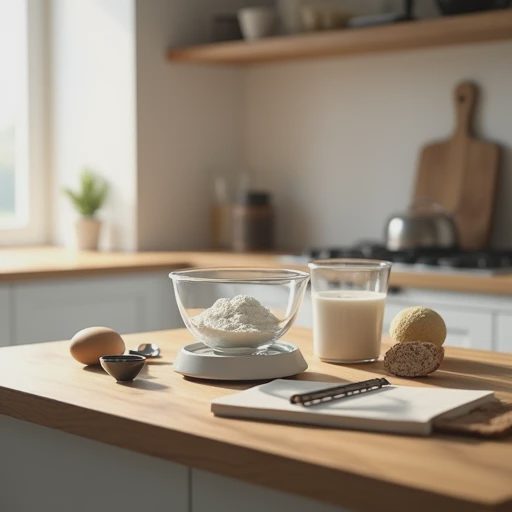
Sugar does three jobs in a bake. It sweetens. It holds moisture. It helps with browning and structure. When you take it out, you have to replace all three functions—or at least understand which ones you are willing to compromise on. That is why “just cut the sugar in half” so often produces a dry, pale, dense result that no one asks for again.
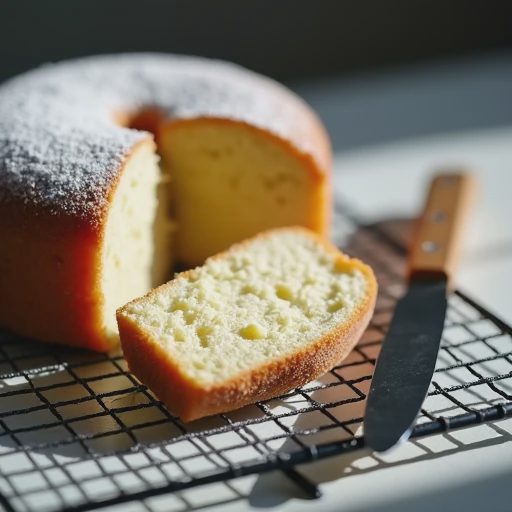
I keep a running spreadsheet of what actually works in my kitchen. These are the ratios I reach for most often when a recipe calls for 1 cup (200 g) of granulated sugar. They are starting points, not sacred numbers. Taste the batter or dough when you can, and adjust. Brands vary, especially with pure extracts.
The Core Swaps for 1 Cup of Sugar
Allulose
Use 1¼ to 1⅓ cups.
Allulose is about 70% as sweet as sugar, so you need a little more for equal sweetness. It is one of the few alternatives that browns and caramelizes almost like the real thing and holds moisture well. Lower the oven temperature by 10–15°F and check a few minutes early—it colors faster. Excellent in cookies, cakes, and anything where texture and color matter.
Erythritol (pure)
Use 1⅓ cups.
Also about 70% as sweet. It provides bulk but does not brown and can leave a cooling aftertaste, especially in cold or no-bake desserts. Many people prefer it blended.
Monk fruit + erythritol (or allulose) 1:1 blends (the common bagged products)
Use 1 cup.
These are formulated to measure like sugar. They are the easiest everyday swap for most home bakers. Texture is close, but browning is usually weaker than with allulose. If your brand tastes a little sharp, drop it to ¾–⅞ cup and see how your family responds.
Pure monk fruit extract
Use roughly ½–1 teaspoon, depending on concentration.
This gives sweetness only—no bulk, no moisture, no browning help. You must replace the volume and structure with something else (extra flour, almond flour, applesauce, or a bulk sweetener). I almost never use pure extract alone in baking for exactly this reason.
Maple syrup
Use ¾ cup and reduce other liquids in the recipe by about 3 tablespoons.
Real Vermont maple brings flavor and moisture. It browns a bit faster, so watch the color. I use it when I want the dessert to taste like maple, not when I need a neutral sweetener.
Date paste or purée
Use ¾ cup (about 10–12 soft Medjool dates blended with a little warm water).
Best in denser, chocolate-friendly bakes—brownies, some muffins, energy bars. The caramel notes are wonderful. It adds fiber and moisture but will darken the flavor and color of delicate cakes.
A Practical Working Formula I Use Often
When I want both good texture and clean sweetness without a cooling effect, I frequently do this for 1 cup of sugar:
¾–1 cup allulose (for bulk, moisture, and browning)
plus a small pinch to ¼ teaspoon pure monk fruit extract (to bring the sweetness up without adding more volume)
This combination has survived more family taste-tests than any single sweetener alone.
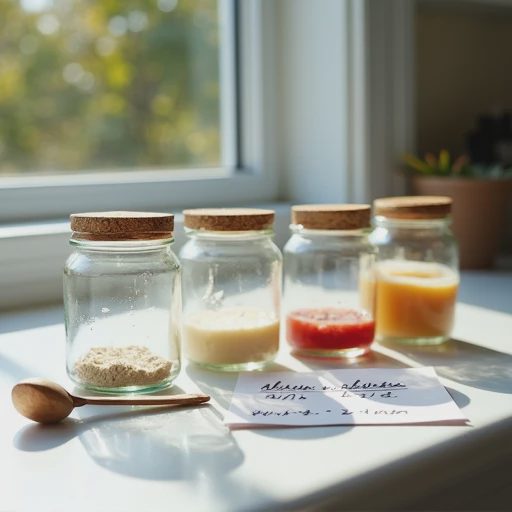
What the Ratios Do Not Tell You
Sweetness is only half the story. Sugar also:
Tenderizes by interfering with gluten
Holds water so the crumb stays soft longer
Participates in Maillard browning
Allulose comes closest to matching those jobs. Erythritol and most monk-fruit blends give you the sweetness and some bulk but fall short on browning and moisture. Liquid sweeteners (maple, date) require liquid adjustments or the batter becomes too wet. Pure high-intensity extracts require you to rebuild the structure yourself.
That is why I never say “sweetener, to taste” in a published recipe. The amount of bulk and liquid changes the chemistry. Exact starting ratios keep the structure intact so the sweetness can do its quieter job.
How I Decide What to Reach For
Cookies and anything that needs spread and browning → allulose or an allulose-heavy blend
Everyday cakes and muffins where convenience matters → a good 1:1 monk fruit blend
Dense chocolate bakes → date paste or a blend with some maple
When blood sugar response is the top priority → allulose or pure monk fruit + bulk filler
I will walk through specific head-to-head tests (monk fruit vs. allulose vs. maple) in an upcoming post. For now, print or bookmark these ratios. They are the foundation everything else on this site builds from.
Less sugar is possible. Same joy is the goal. The right ratio is how you get both.


Letters
No letters yet — be the first to write.