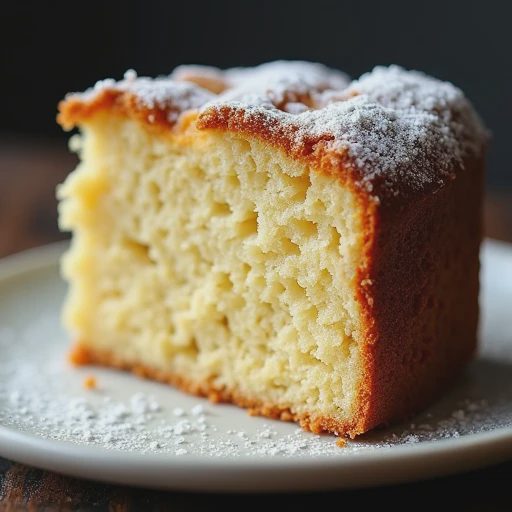
It is the most common piece of advice I see, and one of the most reliable ways to end up with a disappointing cake: just use half the sugar.
On the surface it sounds reasonable. Half the sugar should mean half the problem. In reality, sugar is doing far more in a cake than sweetening it. When you remove half of it and change nothing else, you are removing structure, moisture, tenderness, and browning all at once. The result is often dry, dense, pale, and oddly bland—even if the sweetness level itself is acceptable.
What Sugar Is Actually Doing in a Cake
Sugar is a structural ingredient. In a typical butter or oil cake it:
Tenderizes by interfering with gluten development and starch gelatinization. Less sugar means more toughness and a tighter crumb.
Holds moisture. Sugar is hygroscopic. It binds water so the cake stays soft for days. Cut it sharply and the cake stales faster.
Helps with browning. Through caramelization and the Maillard reaction, sugar contributes color and the toasty, complex flavors we associate with a well-baked cake.
Supports aeration. In creaming methods, sugar crystals help create tiny air pockets that give the cake lift. Fewer crystals can mean less volume.
Balances and rounds flavor. Even when a cake is not meant to taste very sweet, sugar softens bitterness from cocoa or whole-grain flours and makes other flavors read more clearly.
When people simply halve the sugar, they usually keep the same amount of flour, fat, eggs, and liquid. The ratio that once produced a tender, moist crumb is now out of balance. The cake sets firmer, dries out sooner, and often tastes flat because the browning and flavor-rounding functions disappeared along with the sweetness.
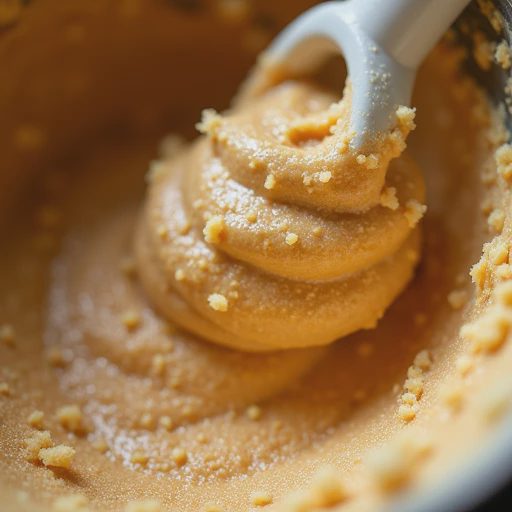
What “Just Cut It in Half” Looks Like in Practice
I have tested this approach many times so I can speak about it accurately. A standard yellow or chocolate cake with 50 % of the sugar removed and no other changes typically shows:
Reduced spread and volume
A drier, more crumbly or more rubbery texture by the next day
Noticeably less color on the surface and sides
A muted flavor that makes people reach for extra frosting or ice cream to compensate
The cake is not necessarily inedible. It is simply less enjoyable. And because it is less enjoyable, people often decide that lower-sugar baking “doesn’t work” and go back to the original version.
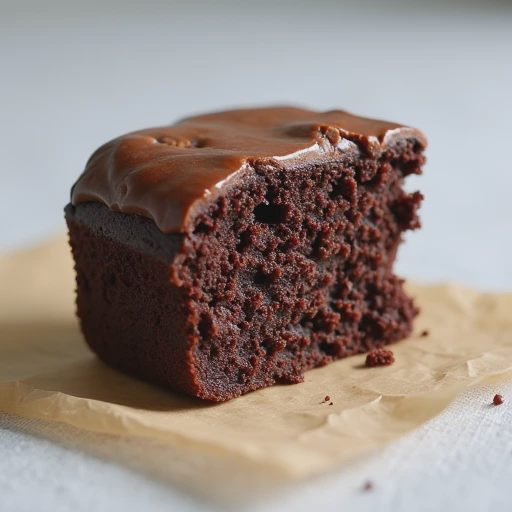
What to Do Instead
Successful sugar reduction is substitution and adjustment, not simple subtraction. The goal is to replace the functions you removed, not just the sweetness.
1. Replace bulk and moisture-holding capacity
Allulose is currently the most effective single ingredient for this. It provides volume, holds moisture, and browns. Using it for most of the sugar you remove protects texture far better than simply using less sugar.
2. Preserve some browning and flavor depth
Keeping a portion of real sugar, brown sugar, or maple syrup (often 25–40 % of the original amount) maintains color and prevents the cake from tasting one-dimensional. Completely eliminating traditional sugars frequently creates a noticeable “missing something” quality.
3. Adjust the rest of the formula when needed
Sometimes a small increase in fat, an extra egg yolk, or a spoonful of yogurt or sour cream restores tenderness. Sometimes a modest reduction in flour helps. These are fine-tuning steps, not complete redesigns.
4. Use blends thoughtfully
A combination of allulose for structure plus a small amount of monk fruit for extra sweetness often outperforms any single alternative sweetener. The blend gets you closer to the original sweetness level without having to restore all of the bulk with one ingredient.
5. Accept that the cake will be different—and make it good on its own terms
A lower-sugar cake does not have to mimic a full-sugar cake in every respect. It has to taste satisfying, stay moist, and feel worth eating. Those standards are achievable. Exact replication of the original is usually not.
A Practical Starting Framework
When I adapt an existing cake recipe, I rarely cut the sugar in half and stop. A more reliable starting point looks like this:
Replace 50–70 % of the original sugar with allulose
Keep 20–30 % as real sugar, brown sugar, or maple
Add a small amount of monk fruit blend if the sweetness still falls short
Watch the bake time and temperature (allulose can brown faster)
Evaluate texture the next day, not just the day of baking
From there I adjust. The spreadsheet I keep is full of these incremental notes because small changes compound.
The Real Cost of the Simple Advice
“Just cut the sugar in half” persists because it is easy to remember and easy to try. The problem is that it sets people up for results that feel like deprivation. Once someone has baked two or three dry, pale cakes, they often conclude that the only enjoyable version is the full-sugar one.
Better advice is more specific and slightly more work: decide which functions of sugar you need to protect, replace those functions deliberately, and keep enough real flavor so the cake still tastes like cake. The reduction becomes sustainable because the dessert remains something people actually want to eat.
Less sugar is a reasonable goal. A ruined cake is not the price you have to pay to get there.


Letters
No letters yet — be the first to write.