Can you use olive oil in brownies? Yes, and the result can be wonderfully fudgy, moist, and rich. Olive oil replaces melted butter or another liquid fat in many brownie recipes, but the type of oil and the amount you use matter. A mild olive oil gives you a tender brownie without making the dessert taste like salad dressing.
I have tested this swap in thin, chewy brownies and thick, almost flourless brownies, and my favorite version uses extra-virgin olive oil with a gentle flavor. The chocolate still leads, while the oil adds a soft texture that holds up for several days. It is not an identical butter substitute in flavor, but it is an easy one for everyday baking.
How olive oil changes a brownie recipe
Butter contains both fat and water. Olive oil is nearly all fat, so it can make brownies feel denser and silkier. That is helpful when you want a fudgy center, especially in a recipe with cocoa powder. The water in butter contributes a little steam and can support a lighter, more cake-like crumb; removing it may make the finished brownies less airy.
When you ask can you use olive oil in brownies, the practical answer depends on the original recipe. If it calls for melted butter, replace it with a slightly smaller amount of olive oil. For every 1/2 cup of melted butter, use about 6 tablespoons of olive oil. If the recipe calls for a neutral vegetable oil, use the same volume of olive oil, starting with a mild variety.
Do not reduce the oil dramatically. Fat coats flour proteins and helps prevent a tough texture, so cutting it from 1/2 cup to 2 tablespoons can leave brownies dry and rubbery. If you want a lighter dessert, reduce the sugar modestly or add a little unsweetened applesauce, but treat those as separate recipe changes.
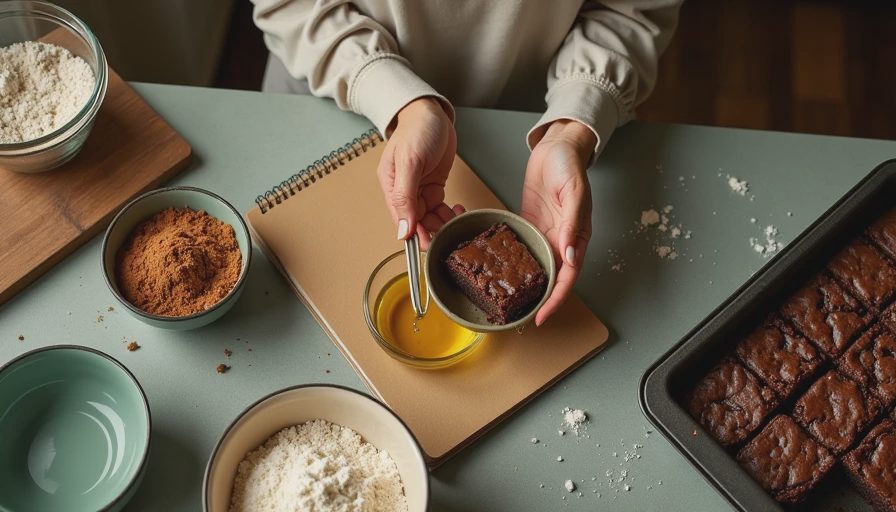
The best olive oil for brownies
A delicate extra-virgin olive oil is my first choice. Look for wording such as mild, smooth, fruity, or delicate on the label. California Olive Ranch extra-virgin olive oil, Bertolli Smooth Taste, and similarly mild supermarket oils can work well. The specific brand matters less than the flavor intensity and freshness.
Avoid strongly peppery or bitter oils for your first batch. Those flavors can become noticeable beside dark chocolate, especially in a brownie with only a small amount of sugar. A robust oil is not bad; it simply creates a more grown-up, savory edge. If you enjoy bittersweet chocolate and sea salt, that combination can be excellent.
Can you use olive oil in brownies made with milk chocolate? Absolutely. Milk chocolate and a mild oil create a soft, sweet result. With dark chocolate, use vanilla extract and a pinch of salt to round out the flavor. Instant espresso powder, about 1/2 teaspoon for an 8-inch pan, can deepen the chocolate without making the brownies taste like coffee.
Before baking, taste a drop of the oil. If it tastes harsh or stale on its own, it will not improve in the oven. Choose a fresh bottle stored away from heat and light, and measure it carefully with a liquid measuring cup.
An easy olive oil brownie formula
For an 8-inch square pan, combine 1/2 cup granulated sugar, 1/4 cup packed brown sugar, 1/3 cup mild olive oil, two large eggs, and 1 teaspoon vanilla. Whisk until glossy. Stir in 1/2 cup unsweetened cocoa powder, 1/2 cup all-purpose flour, 1/4 teaspoon salt, and 1/2 cup chocolate chips or chopped chocolate.
That formula makes a moderately sweet brownie with a moist middle. For a less sweet batch, use 1/3 cup granulated sugar and keep the brown sugar. The brownies will taste more intensely chocolate-forward and may be slightly less shiny on top. Sugar does more than sweeten: it helps retain moisture and encourages that thin, crackly crust, so cutting too much can change the structure.
Spread the batter into a parchment-lined pan and bake at 350 degrees F for approximately 22 to 28 minutes. Start checking early. A toothpick should come out with moist crumbs, not wet batter. If it comes out completely clean, the brownies are likely overbaked. Cool the pan fully before slicing; the center continues setting as it cools.
Can you use olive oil in brownies with other substitutions?
Can you use olive oil in brownies when the recipe also includes applesauce, yogurt, or mashed banana? Yes, but the total moisture and fat balance becomes more important. Applesauce can replace part of the oil, yet too much makes brownies gummy. For a reliable first experiment, replace no more than half of the original oil with unsweetened applesauce.
Greek yogurt adds moisture and a slight tang. If you use 1/4 cup yogurt, keep at least 1/4 cup oil in an 8-inch batch so the crumb does not turn bready. Mashed banana contributes sweetness and a noticeable banana flavor, which works best with walnuts and dark chocolate.
For a lower-sugar brownie, do not assume that replacing butter with olive oil automatically lowers calories or carbohydrate. Both fats provide similar calories per tablespoon. The advantage is flavor, a useful unsaturated-fat option, and a tender texture. Nutrition still depends on the full recipe and serving size.

Troubleshooting olive oil brownies
If the brownies taste grassy, use a milder oil or combine 2 tablespoons of olive oil with 2 tablespoons of avocado or canola oil. If the edges are oily, the batter may not have been emulsified well. Whisk the eggs, sugar, vanilla, and oil until smooth before adding dry ingredients.
If the center is too loose, bake for another three to five minutes and cool completely. A glass pan often needs slightly more time than a metal pan. If the brownies are dry, reduce the baking time next time and check your flour measurement. Scooping flour directly from the bag can pack too much into a cup; spoon it into the cup and level it.
Can you use olive oil in brownies and still get a crackly top? Usually, yes. Whisking the eggs and sugar thoroughly helps dissolve some sugar and incorporates air. Using brown sugar alone tends to produce a softer, less shiny top, while a mixture of granulated and brown sugar gives a good balance of crust and chew.
The bottom line for your next batch
Can you use olive oil in brownies? You can, and I recommend trying it when you want a moist, fudgy dessert without melting butter. Use roughly 6 tablespoons of oil for every 1/2 cup melted butter, or substitute it one-for-one for another liquid oil. Choose a mild, fresh olive oil, keep the chocolate generous, and pull the pan before the toothpick turns clean.
The first batch is a useful taste test. If you notice a peppery finish, switch to a delicate oil rather than abandoning the method. If you prefer a lighter, less dense texture, add a tablespoon or two of flour or choose a recipe designed for oil from the start. My favorite serving is a slightly warm square with berries and a spoonful of plain Greek yogurt. Less sugar. Same joy.


Letters
No letters yet — be the first to write.