When a brownie recipe calls for unsalted butter, it is not trying to make your baking aisle trip more complicated. Unsalted butter for brownies gives you control over the salt, which matters when you want a deep chocolate flavor instead of a salty aftertaste. It also lets you adjust recipes confidently when using salted chocolate, flaky finishing salt, or a reduced-sugar formula.
I keep both salted and unsalted butter in my refrigerator, but unsalted is my usual choice for brownies. The reason is simple: chocolate, cocoa powder, and sugar already create a delicate balance. Adding a measured amount of salt gives the finished brownies more dimension without making the flavor unpredictable.
Why unsalted butter works so well in brownies
Butter contributes fat, water, richness, and aroma. In a brownie, the fat helps dissolve chocolate flavors across the batter, while a small amount of water hydrates the flour and helps create a tender texture. Salt, meanwhile, sharpens chocolate and reduces the perception of flat sweetness. Unsalted butter lets you decide exactly how much salt enters that equation.
This matters most in recipes that use cocoa powder rather than a large amount of melted chocolate. Natural cocoa can taste bright and slightly acidic, while Dutch-process cocoa tends to be smoother and darker. A carefully measured quarter teaspoon or half teaspoon of salt can make either one taste more rounded. With salted butter, the amount is less predictable because brands vary in salt content.
Unsalted butter for brownies is especially useful when you are lowering the sugar. Less sugar can make chocolate taste more bitter or intense, so salt should be adjusted deliberately rather than added casually. I usually keep the salt modest in a reduced-sugar brownie, then add a few flakes on top if I want a more grown-up finish.

How much salt should you add?
For an ordinary 8-inch square pan, start with the recipe's stated salt amount. If the recipe does not specify one, 1/4 teaspoon of fine table salt is a reasonable starting point for a batter using 1/2 cup of butter and about 1 cup of flour. A rich, dark-chocolate brownie can handle 1/2 teaspoon, but taste the batter only if it contains no raw egg, or simply follow the ingredient ratios from a tested recipe.
Kosher salt complicates the measurement because crystal size differs among brands. A teaspoon of Diamond Crystal kosher salt is not equivalent to a teaspoon of Morton kosher salt. For consistent results, use a kitchen scale when possible, or use the salt type named in the recipe. If you are using salted butter, reduce the added salt by roughly 1/4 teaspoon as a starting point, not by automatically removing every grain.
Flaky salt belongs on top, not necessarily in the batter. A small pinch scattered over the surface before baking creates occasional bursts of salt and makes the chocolate taste fuller. Use a light hand: a few flakes per serving is pleasant, while a heavy layer can overwhelm a less-sweet brownie.
Melting unsalted butter without ruining the batter
For fudgy brownies, melt the butter gently in a saucepan or microwave-safe bowl. Heat it in 20- to 30-second bursts, stirring between each one, until only a few soft pieces remain. Residual heat will finish the job. If the butter becomes very hot, let it cool for five to ten minutes before adding eggs. Hot butter can partially cook the eggs, leaving pale ribbons or tiny scrambled bits in the batter.
Some recipes ask you to brown the butter. That is an excellent use for unsalted butter for brownies because you can monitor the nutty milk-solid flavor without guessing how much salt is present. Melt the butter over medium heat, then stir as it foams. When the foam subsides and the milk solids turn amber, remove the pan immediately. Pour it into a cool bowl so the solids do not continue darkening in the hot saucepan.
Browned butter adds a toasted, almost hazelnut-like note. It pairs beautifully with espresso powder, walnuts, pecans, and dark chocolate. If you brown 8 tablespoons of butter, expect some water to evaporate. Add a tablespoon of water or coffee to the batter if the recipe depends on the original liquid level and your browned butter looks noticeably reduced.
Can you substitute salted butter?
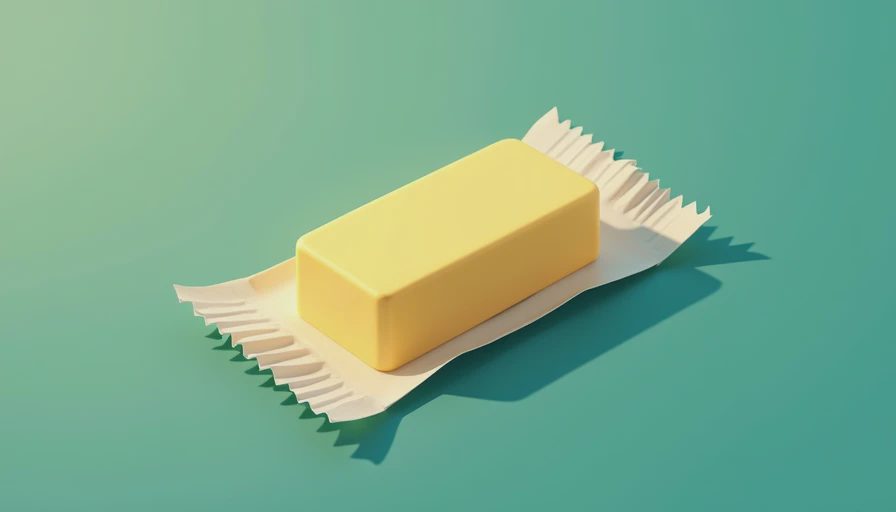
Yes. Salted butter works in brownies, especially when it is the only butter available. The safest method is to use the same amount of butter and reduce the added salt. If a recipe calls for 1/2 cup unsalted butter and 1/2 teaspoon salt, try 1/2 cup salted butter with 1/4 teaspoon salt. This is an estimate because brands do not all contain the same salt level, but it keeps the batter in a sensible range.
Do not substitute margarine or a spreadable tub product without checking the label. Many spreads contain more water and less fat than butter, which can produce cakier, thinner, or greasier brownies. Baking sticks labeled margarine can behave more consistently, but the flavor and texture will still differ. For a reliable batch, unsalted butter for brownies remains the easiest starting point.
If you are dairy-free, a plant-based baking stick can work better than a soft tub spread. Choose one with a fat content close to butter, melt it gently, and expect a slightly different aroma. The recipe may need a small adjustment after you compare the batter's thickness with the original.
A practical brownie formula to remember
For a dense, fudgy 8-inch pan, think in proportions rather than memorizing one recipe: about 1/2 cup melted butter, 1 cup sugar, 2 eggs, 1/2 cup flour, 1/3 to 1/2 cup cocoa powder, and 1/4 to 1/2 teaspoon salt. Chocolate chips or chopped chocolate can be added for extra richness. This is not a universal formula, but it shows why unsalted butter for brownies is helpful: every other flavor has room to be tuned.
For less sugar, start by reducing the sugar by 2 tablespoons rather than cutting it in half. Sugar does more than sweeten; it attracts water, improves tenderness, encourages a shiny crust, and delays protein setting. Remove too much and brownies can become dry, bitter, or cakey. Add vanilla, espresso powder, or a little extra chopped chocolate to build flavor instead of relying on more sweetener.
Bake until the center is set around the edges but still slightly soft in the middle. A toothpick should show moist crumbs, not wet batter and not come out completely clean. Let the pan cool before slicing. The structure continues to firm as it cools, and cutting too early can turn a perfectly fudgy batch into chocolate rubble.
My final recommendation for better brownies
Use unsalted butter when you want repeatable results, especially for a new recipe or a lower-sugar version. Measure salt separately, melt the butter gently, and let browned butter cool before combining it with eggs. If salted butter is what you have, use it confidently and reduce the added salt instead of abandoning the recipe.
The best brownies are not created by one magic ingredient. They come from managing fat, sugar, cocoa, salt, heat, and cooling time as a team. Unsalted butter for brownies simply gives you a clearer steering wheel. Start with the listed salt, make one small adjustment at a time, and keep notes about what your family actually enjoys. Less sugar. Same joy.

Letters
No letters yet — be the first to write.