A cake roll cake looks like a pastry-shop project, but it is actually one of the most manageable celebration desserts once you understand the structure. The secret is a thin sponge that stays flexible, a filling with enough moisture to feel generous, and a careful roll while the cake is still warm. My version uses less sugar than a traditional jelly roll without turning dry or rubbery. Less sugar. Same joy.
What makes a cake roll cake different?
Unlike a tall layer cake, this dessert depends on a thin sheet of sponge cake. Eggs provide most of the lift, flour gives the batter enough strength to hold its shape, and sugar contributes sweetness, moisture, browning, and tenderness. That last part matters: cutting sugar dramatically can make the cake crack because there is less moisture and less flexibility in the crumb.
I do not recommend simply removing half the sugar from a standard recipe. Instead, reduce it by about one-quarter and replace some of the lost moisture with a measured spoonful of Greek yogurt or applesauce, depending on the flavor. The result is not identical to a full-sugar bakery cake. It is slightly less sweet, but the vanilla, berries, cocoa, or citrus taste clearer.
For a reliable cake roll cake, use a 10-by-15-inch jelly roll pan lined with parchment. A larger pan makes the sponge too thin, while a smaller pan creates a thick layer that is harder to bend. Weighing the flour is helpful, but if you use measuring cups, spoon the flour in and level it instead of scooping directly from the bag.
The ingredient choices that protect texture
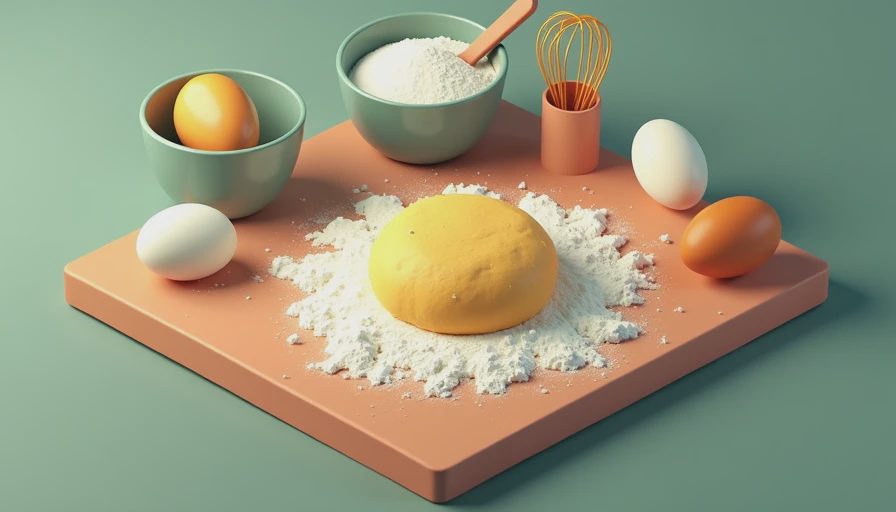
Start with four large room-temperature eggs. Whipping them with the reduced sugar for five to seven minutes creates a pale, thick foam that acts as the cake's main leavening. When the whisk lifts, the mixture should fall in a ribbon that sits briefly on the surface. If the eggs are cold, set them in warm tap water for five minutes before beating.
For the dry ingredients, combine 3/4 cup all-purpose flour with 1/4 teaspoon baking powder and a pinch of salt. Fold gently, using a wide spatula and turning from the bottom upward. Overmixing knocks out the air you worked to create. I like 1/3 cup granulated sugar in the sponge, then let the filling and fruit provide the rest of the sweetness.
A simple filling uses 4 ounces of softened cream cheese, 3/4 cup plain Greek yogurt, 2 tablespoons powdered sugar, and 1 teaspoon vanilla. The yogurt lightens the filling, while cream cheese gives it enough body to slice cleanly. For a lower-sugar option, replace only the powdered sugar with a granulated allulose blend according to the package ratio. Different products vary, and too much can create a cool aftertaste or a soft filling.
How to roll it without cracks
Bake the sponge at 350 F for about 10 to 12 minutes, until the center springs back when lightly touched. Do not wait for deep browning. An overbaked cake loses moisture and tends to split along the first bend.
While it bakes, place a clean kitchen towel on the counter and dust it lightly with powdered sugar or cocoa. As soon as the pan comes out, loosen the edges with a thin knife, invert the cake onto the towel, and peel away the parchment. Trim any crisp edges if needed. Starting at a short end, roll the warm cake and towel together into a snug spiral. Let it cool completely in that shape for about 45 minutes.
This step teaches the sponge its final position. Unrolling a warm cake and filling it immediately often causes messy compression. Once cool, open it gently, spread the filling almost to the edges, and add a thin layer of sliced strawberries, raspberries, or apricot preserves. Leave the final half-inch bare so the filling does not squeeze out as you finish the roll.
For a polished cake roll cake, wrap the filled spiral in parchment and chill it seam-side down for at least one hour. Chilling firms the filling and makes slicing easier. Use a serrated knife, wipe the blade between cuts, and serve pieces about one inch thick. If a small crack appears, cover the top with berries, a light dusting of cocoa, or a spoonful of yogurt glaze. That is decoration, not failure.
Flavor combinations that do not need much sugar
Vanilla sponge with lemon yogurt filling is my everyday favorite. Add a teaspoon of finely grated lemon zest to the batter and fold a tablespoon of lemon juice into the filling. The acidity makes the dessert taste brighter, so you do not need to compensate with extra sugar.
For chocolate, replace 2 tablespoons of flour with unsweetened cocoa powder and add 1/2 teaspoon of instant espresso powder. Cocoa can make a sponge feel drier, so brush the cooled cake very lightly with milk before adding the filling. A thin swipe is enough; soaking it turns the roll floppy.
A pumpkin version works well in autumn. Stir 1/4 cup pumpkin puree into the batter, use cinnamon and ginger, and bake until the center springs back. Because pumpkin adds water and weight, spread the batter evenly and expect a slightly denser spiral. Cream cheese yogurt filling and toasted pecans make it taste festive without requiring a thick frosting layer.

Common problems and practical fixes
If your cake cracks, the usual causes are overbaking, a dry batter, or waiting too long before rolling. Next time, pull it from the oven when the center just springs back and roll it immediately in the towel. A crack after filling often means the sponge cooled in a flat position and resisted the bend.
If the center is gummy, the pan may have been crowded with batter or the oven temperature may have run low. An inexpensive oven thermometer can reveal a surprising temperature difference. If the filling leaks, it was probably spread too thickly or the cake was still warm. Chill the unfilled sponge first and use a modest, even layer.
For a cake roll cake that slices cleanly at a party, prepare it the day before. Keep it covered in the refrigerator, then let it sit at room temperature for 15 to 20 minutes before serving. The flavors become rounder, and the filling softens enough for a tender bite.
A dessert worth practicing
The first cake roll cake I made was not picture-perfect. The end split, the filling showed at one seam, and my children ate the decorated end before dinner. It was still tender, fragrant, and far less sweet than the frosted cakes I had been making. That is the standard I use now: a dessert should feel special, but it should not require a sugar overload to earn applause.
Start with vanilla and berry filling, follow the rolling steps, and treat the first attempt as pastry practice rather than a performance. Once the technique feels familiar, you can try chocolate, pumpkin, citrus, or coffee flavors. For a family gathering, one roll makes about 10 modest slices, usually enough for everyone to enjoy dessert without a towering leftover cake. That is a very good trade: less sugar, a manageable bake, and the same happy scramble for the last piece.



Letters
No letters yet — be the first to write.