When the first cool morning arrives and the farmers market fills with winter squash, I want pumpkin blondies: chewy at the edges, soft in the middle, and fragrant with cinnamon. This version uses less sugar than a typical bar cookie, but it does not pretend sugar is irrelevant. Sugar creates tenderness, helps the edges brown, and holds onto moisture. Remove too much without replacing those jobs, and you get a dull, rubbery square. My goal is simpler: less sugar, same joy.
Why these pumpkin blondies work
Pumpkin puree brings water, fiber, and a gentle earthy sweetness. That moisture can make a bar wonderfully soft, but too much puree can also make it cakey. For a fudgy texture, use a measured half cup of plain pumpkin puree rather than adding extra because the open can is sitting on the counter. Choose unseasoned puree, not pumpkin pie filling, which already contains sugar and spices.
Brown sugar supplies caramel flavor and a little chew. I use less than many conventional recipes, then support the flavor with maple syrup, vanilla, cinnamon, ginger, and a small amount of nutmeg. Maple syrup is still added sugar, not a free pass, but one tablespoon provides noticeable flavor without requiring several extra tablespoons of granulated sugar. The result tastes like a fall dessert instead of a “healthy” substitute.
For one 8-inch square pan, gather 6 tablespoons unsalted butter, 1/2 cup pumpkin puree, 1/2 cup packed light brown sugar, 1 tablespoon pure maple syrup, 1 large egg, 1 teaspoon vanilla extract, 1 cup all-purpose flour, 1 teaspoon cinnamon, 1/2 teaspoon baking powder, 1/4 teaspoon ground ginger, 1/4 teaspoon fine salt, and a pinch of nutmeg. Optional additions include 1/3 cup toasted pecans or 1/2 cup chopped dark chocolate.
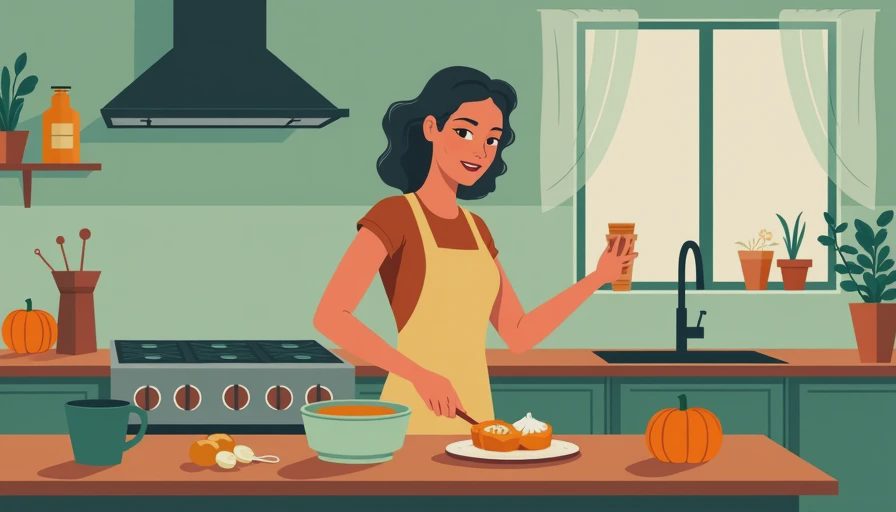
How to make pumpkin blondies
Heat the oven to 350 degrees F. Line an 8-inch square metal pan with parchment, leaving enough paper over two sides to lift the finished bars. Melt the butter in a saucepan or microwave-safe bowl, then let it cool for five minutes. Warm butter can mix well; hot butter can partially cook the egg.
Whisk the brown sugar, maple syrup, egg, vanilla, and pumpkin into the butter until smooth. In a separate bowl, stir together the flour, cinnamon, baking powder, ginger, salt, and nutmeg. Add the dry mixture to the wet mixture and fold just until no dry streaks remain. Stir in pecans or chocolate if using. Overmixing develops gluten and turns a tender bar tough, so stop as soon as the batter comes together.
Spread the batter evenly in the prepared pan. Bake for 25 to 30 minutes, rotating once if your oven browns unevenly. The center should look set but still slightly soft, and a toothpick should show moist crumbs rather than wet batter. Let the pan cool completely before slicing. This is not a patience test for its own sake: cooling allows the butter to firm and the starches to finish setting, which creates clean, chewy squares.
The sugar science behind the swap
A common mistake is cutting the sugar in half and changing nothing else. Sugar does more than make a dessert sweet. It competes with flour for water, delays gluten formation, encourages browning, and contributes to a softer bite. In pumpkin blondies, the puree already adds moisture, so reducing sugar too aggressively can leave the interior heavy and gummy.
This formula keeps enough brown sugar for structure and flavor, while pumpkin and maple provide additional sweetness. The flavor is less candy-like than a bakery bar, and the pumpkin comes through more clearly. My family taste-testers noticed the difference compared with a standard blondie, but they described these as “spiced” rather than “not sweet.” That distinction matters. A reduced-sugar dessert should taste intentionally balanced, not like a failed copy of something sweeter.
If you need a lower-sugar option, replace 2 tablespoons of the brown sugar with a granulated allulose baking blend. Do not replace the entire amount unless the product label gives a tested baking conversion. Allulose can brown quickly and may create a softer center, so begin checking the pan around 23 minutes. Sugar alcohols can also bother some stomachs, which is why I prefer a partial swap for a family dessert.
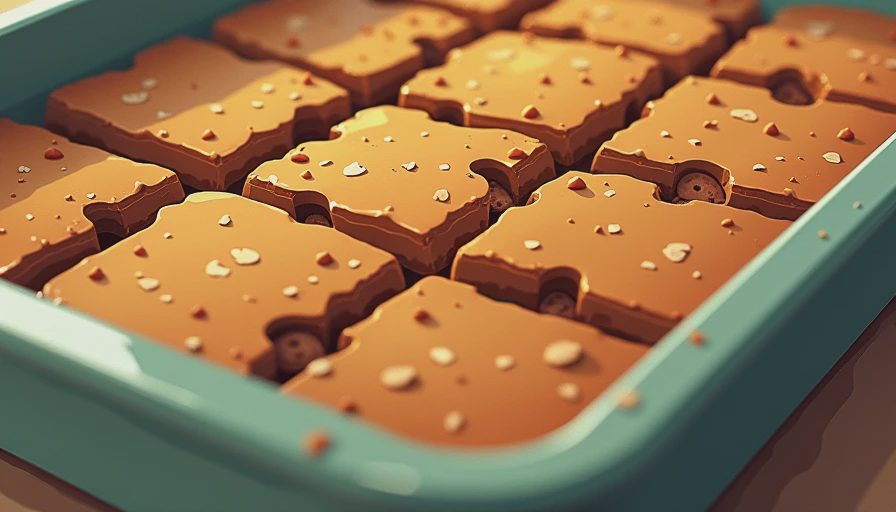
Flavor variations and serving ideas
Pumpkin blondies are excellent plain, especially with coffee or black tea, but a few restrained additions make them party-ready. Add toasted pecans for contrast, or fold in dark chocolate for a richer bite. A teaspoon of orange zest brightens the pumpkin without adding sweetness. For a cream cheese finish, swirl 3 ounces of softened cream cheese mixed with 1 tablespoon powdered sugar and 1/2 teaspoon vanilla over the batter before baking. Keep the swirl modest so the center still sets.
For a holiday tray, cut the cooled square into 16 small pieces and place them beside fruit, nuts, or a less-sweet dessert. Smaller portions let people enjoy the buttery texture without turning one bar into an oversized snack. For an after-school treat, pair a square with milk, yogurt, or a handful of roasted nuts. The pairing adds staying power and keeps dessert from having to carry the whole afternoon.
Storage, freezing, and troubleshooting
Store pumpkin blondies in an airtight container at room temperature for up to three days, or refrigerate them for up to five days. Refrigeration firms the texture, so let a piece sit at room temperature for 15 minutes before serving. To freeze them, wrap individual squares in parchment and place them in a freezer bag for up to two months. Thaw overnight in the refrigerator or for about an hour on the counter.
If the bars are cakey, check whether you used too much pumpkin or mixed in extra flour while measuring. Spoon flour into a measuring cup and level it rather than scooping directly from the bag. If the center is gummy, the pan may have been too small, the batter may have been too thick in the middle, or the bars may have been cut while warm. If the edges are dry, start checking several minutes earlier; metal pans and hot spots vary.
For reliable pumpkin blondies, measure the puree, use an 8-inch pan, and trust the moist-crumb test more than a rigid baking time. This recipe is designed for the pleasure of a real dessert with a more moderate sweetness, not for apologizing at the table. Bake a pan, let it cool, and share the squares while the spices still smell warm. Less sugar. Same joy.
Letters
No letters yet — be the first to write.