A strawberry sponge roll looks like a pastry-shop project, but it is really a simple combination of airy cake, softly sweetened cream, and bright berries. My strawberry sponge roll uses less sugar without turning dry, rubbery, or strangely artificial. The key is understanding what sugar does besides make dessert sweet. It helps retain moisture, encourages browning, and gives the eggs and flour a more tender texture. Remove too much without replacing those functions, and you get cardboard. Use a measured approach, and you get a light cake that still feels like a celebration.
This is the sort of dessert I make when strawberries are piled high at the Saturday farmers market or when my kids want something festive for a birthday. It is not sugar-free, and I do not think it needs to be. Instead, the sweetness is balanced so the berries taste like berries rather than jam candy. Less sugar. Same joy.
Why this strawberry sponge roll works
The cake starts with eggs whipped with granulated sugar until pale, thick, and able to hold a ribbon when the whisk is lifted. That trapped air supplies most of the lift, so the eggs need enough time to foam properly. I use 1/2 cup of sugar for a jelly-roll pan rather than the 3/4 to 1 cup found in many classic versions. That reduction keeps the cake pleasantly sweet while preserving enough sugar for softness and color.
For a dependable strawberry sponge roll, weigh 3/4 cup all-purpose flour, or about 90 grams, and fold it in gently with 1/4 teaspoon of salt. A little vanilla and finely grated lemon zest make the fruit taste sweeter without adding another spoonful of sugar. The batter should be spread into a parchment-lined 10-by-15-inch pan and baked only until the top springs back. Overbaking is the fastest route to cracks.

As soon as the cake leaves the oven, dust a clean kitchen towel with powdered sugar, invert the cake onto it, and peel away the parchment. Roll the warm cake inside the towel, starting from a short end. This sets the shape while the sponge is flexible. Let it cool completely before filling. If you wait until the cake is cold to roll it, the outer layer is more likely to split.
The filling: creamy, fresh, and not overly sweet
A traditional filling can contain a surprising amount of sugar, especially when sweetened whipped cream is paired with sweetened strawberry preserves. My preferred version combines 1 cup of cold heavy cream with 4 ounces of softened cream cheese, 2 tablespoons of powdered sugar, and 1/2 teaspoon of vanilla. The cream cheese adds structure and a faint tang, so the filling tastes rich even with less sugar. Beat the cream cheese smooth first, then add the cream and whip until the mixture forms medium-stiff peaks.
For the fruit, use 1 1/2 cups of strawberries cut into small pieces. If the berries are very juicy, blot them with a paper towel before adding them. Excess liquid can make the filling slide and soften the cake. I reserve a few attractive slices for the top and fold the rest into the cream. A teaspoon of lemon juice can sharpen bland winter berries, while truly ripe summer strawberries usually need nothing more.
A strawberry sponge roll should taste like a balance of textures: tender cake, cool cream, and a slight pop from fresh fruit. If you prefer a stronger strawberry flavor, spread 2 tablespoons of no-sugar-added strawberry preserves over the cooled cake before adding the cream. Read the label, because no-sugar-added does not always mean low in total carbohydrate, and products vary in how they are sweetened.
Smart sugar swaps that protect texture
Simply replacing every grain of sugar with a sugar substitute is not a reliable baking strategy. Granulated sugar dissolves into the egg mixture, contributes moisture, and helps the sponge stay flexible. For this strawberry sponge roll, I reduce the sugar rather than remove it entirely. That gives the cake enough structure while letting the natural sweetness of the berries carry more of the flavor.
If you want to lower the added sugar further, replace 2 tablespoons of the granulated sugar with an allulose baking blend, following the package conversion. Allulose browns more quickly than regular sugar, so start checking the cake two minutes early. I would not use stevia powder spoon for spoon; it is much more concentrated and cannot provide the bulk this cake needs. Erythritol can also leave a cooling sensation and may make the sponge feel drier after refrigeration.
These details matter because a successful strawberry sponge roll is a pastry problem as much as a nutrition problem. The best substitution is the one that respects the job each ingredient performs.

How to assemble it without a dramatic crack
Unroll the cooled sponge slowly. It may keep a gentle curve, and that is helpful rather than harmful. Spread the filling in an even layer, leaving about 1 inch bare along the far edge. As you roll, the cream moves outward; the empty strip prevents a thick ridge from squeezing out. Add the chopped strawberries evenly instead of creating one heavy mound in the center.
Use the towel to guide the first turn, pressing firmly enough to create a round shape but not so hard that the filling escapes. Place the roll seam-side down on a platter. Chill it for at least 45 minutes before slicing. A serrated knife makes cleaner cuts, especially if you wipe the blade between slices.
If the cake cracks, do not throw it away. Cover the top with a thin layer of whipped cream, arrange strawberry slices over the seam, and call it decoration. A crack affects appearance, not flavor. In my kitchen, this has saved more than one birthday dessert after a child opened the oven door too early.
Serving, storing, and adjusting the recipe
This strawberry sponge roll is best served slightly cool, not ice-cold. Refrigeration firms the filling, but twenty minutes at room temperature brings back the cake's delicate texture. It will keep covered in the refrigerator for up to two days. The berries gradually release liquid, so the first day gives you the neatest slices and the freshest contrast.
For a lighter plate, serve narrow slices with extra berries rather than adding a sugary sauce. For a richer dessert, use mascarpone in place of half the cream cheese, though the filling will be softer and more luxurious. You can also replace strawberries with raspberries, blueberries, or thinly sliced peaches, but pat wet fruit dry before folding it in.
A typical roll makes 10 slices. The exact nutrition depends on the brands and portion sizes you use, so treat the recipe as a starting point rather than a medical prescription. Anyone managing diabetes or prediabetes should account for the cake, cream, and fruit within their own eating plan.
The final taste test
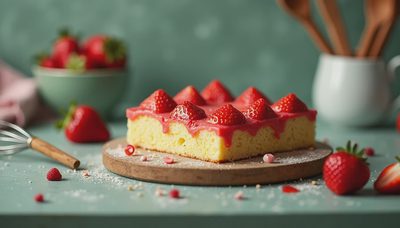
The finished strawberry sponge roll should have a thin, lightly golden exterior and a springy crumb. The first flavor is fresh strawberry, followed by tangy cream and just enough sweetness from the cake. You will notice that it is less candy-sweet than a bakery roll, and that is intentional. My brutally honest taste testers, including two children who rarely praise restraint, still reach for a second slice.
Let the cake cool fully, measure the substitutions, and resist the urge to overbake. Those three steps do more for texture than any trendy ingredient. When dessert tastes this good, cutting back becomes less about sacrifice and more about making room for the ingredients you actually want to notice. This strawberry sponge roll is proof that a celebration dessert can be thoughtful, tender, and genuinely delicious. Less sugar. Same joy.



Letters
No letters yet — be the first to write.