The first time I made pumpkin snickerdoodles, I expected a soft, cakey cookie with a pleasant cinnamon finish. What I got was closer to a muffin top wearing a sugar coat. Delicious, certainly, but not the chewy, lightly crisp cookie I had pictured. After several test batches, I learned that pumpkin brings water, sugar affects spread and browning, and cream of tartar provides the familiar snickerdoodle tang. Once those pieces are balanced, pumpkin snickerdoodles can be tender without becoming puffy or bland.
This version uses less granulated sugar than many traditional recipes, but it does not pretend sugar is only there for sweetness. Sugar helps cookies spread, brown, and stay moist. We reduce it carefully, then use brown sugar, spices, and a cinnamon coating to keep the finished cookie satisfying. Less sugar. Same joy.
Why pumpkin changes a snickerdoodle
Pumpkin puree is mostly water, so even a few tablespoons can loosen cookie dough. That moisture creates a softer crumb, but too much makes the dough sticky and the cookies cakey. Use plain canned pumpkin puree, not pumpkin pie filling, because pie filling already contains sweeteners and spices. Libby’s is an easy choice, although any smooth, unsweetened puree works.
The most important step is removing excess moisture. Spoon the pumpkin onto a plate lined with a paper towel, spread it thinly, and let it sit for 10 minutes. Blot the surface gently before measuring. You are not trying to dry it into paste; you are simply keeping extra water from overwhelming the flour. This small step gives pumpkin snickerdoodles better structure and prevents a wet center.
Room-temperature butter also matters. Softened butter creams with sugar more evenly than melted butter, creating tiny air pockets that help the cookies lift. Do not whip the mixture until it is extremely pale and fluffy, though. Too much air can produce thick, cakey rounds instead of a pleasantly chewy cookie.

The tested ingredient balance
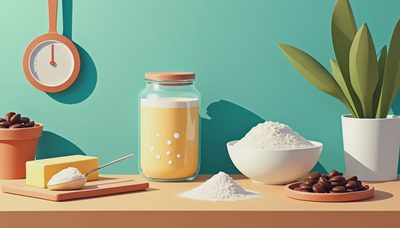
For about twenty-four cookies, gather 8 tablespoons unsalted butter, 1/2 cup packed light brown sugar, 1/4 cup granulated sugar, 1 large egg yolk, 1/3 cup blotted pumpkin puree, and 1 teaspoon vanilla extract. The yolk adds richness without the extra water found in a whole egg. You will also need 1 3/4 cups all-purpose flour, 1/2 teaspoon baking soda, 1/2 teaspoon cream of tartar, 1/2 teaspoon kosher salt, 1 teaspoon cinnamon, 1/2 teaspoon ground ginger, 1/4 teaspoon nutmeg, and a pinch of cloves.
For rolling, mix 2 tablespoons granulated sugar with 1 teaspoon cinnamon. That coating supplies a concentrated sweet-spice flavor, so the dough itself does not need to be overly sweet. If you prefer a less sugary finish, use 1 tablespoon sugar with the same amount of cinnamon. The coating will be lighter, but the cookies will still smell wonderfully like fall.
A few substitutions work well. Whole-wheat pastry flour can replace up to 1/2 cup of the all-purpose flour, though the cookies will be slightly more hearty. Dairy-free baking sticks work better than tub margarine because they contain less water. Granulated monk fruit blends can be used for the rolling mixture, but they will not brown or dissolve exactly like sugar. I would not replace all the brown sugar in the dough with a zero-calorie sweetener; the texture becomes drier and the flavor loses its caramel note.
How to make pumpkin snickerdoodles
Beat the softened butter, brown sugar, and granulated sugar for about two minutes, just until smooth. Mix in the egg yolk, blotted pumpkin, and vanilla. In a separate bowl, whisk the flour, baking soda, cream of tartar, salt, and spices. Add the dry ingredients to the butter mixture in two additions, mixing only until no dry streaks remain.
The dough should be soft but scoopable. Chill it for 30 to 45 minutes. This is not a fussy pastry requirement; it gives the flour time to absorb pumpkin’s moisture and lets the butter firm up. Chilled dough spreads more predictably in the oven.
Heat the oven to 350°F and line two baking sheets with parchment. Scoop roughly 1 1/2 tablespoons of dough per cookie, roll each portion into a ball, and coat it in cinnamon sugar. Place the balls at least two inches apart. Bake one sheet at a time for 10 to 12 minutes, rotating halfway through. The edges should look set while the centers still appear slightly soft. They will finish cooking on the hot baking sheet.
Do not flatten the dough heavily. A gentle palm press is enough if the balls are unusually tall. Over-flattening can create thin edges and a dry center, especially after reducing the sugar.

Troubleshooting texture and flavor
If the cookies spread too much, the butter was probably too warm, the pumpkin carried excess water, or the dough did not chill long enough. Refrigerate the remaining dough for another 20 minutes and check your flour measurement. Scooping flour directly from the bag can pack in too much, while dipping and shaking usually gives a more consistent cup. For best accuracy, use a scale and measure about 210 grams of flour.
If the cookies stay thick and breadlike, your flour may be heavy or the baking soda may be old. A little extra pumpkin can also push the texture toward cake. If they taste flat, do not immediately add more sugar. First try an additional pinch of salt or a little more cinnamon. Salt sharpens sweetness, while cinnamon and ginger make a reduced-sugar cookie taste fuller.
The cream of tartar is worth keeping. It reacts with baking soda and contributes the gentle tang that distinguishes snickerdoodles from ordinary pumpkin cookies. Without it, the result can taste sweet and spiced but lack the bright finish you expect.
Storage, serving, and nutrition perspective
Cool pumpkin snickerdoodles completely before storing them in an airtight container. They stay soft for about three days at room temperature. Add a small piece of sandwich bread to the container if you want to protect the tender texture, replacing it when it becomes dry. For longer storage, freeze baked cookies for up to two months or freeze portioned dough balls without the coating. Roll frozen dough in cinnamon sugar after it softens slightly, then add a minute or two to the baking time.
These are still cookies, not a free pass on portion size. The recipe simply makes the sweetness less aggressive while preserving the pleasure of a real dessert. Pair one cookie with plain Greek yogurt, milk, or coffee, and enjoy it slowly. For someone monitoring blood glucose, the flour and sugar still contribute carbohydrate, so a smaller cookie can be a practical choice. Individual needs differ, and a registered dietitian can help fit desserts into a personal plan.
My final baking notes
Pumpkin snickerdoodles are best when the edges are lightly golden and the centers look a touch underdone. Let them rest on the pan for five minutes before transferring them to a rack. That short pause sets the crumb without turning the middle dry.
If you are baking with children, prepare the cinnamon sugar in a shallow bowl and let them roll the chilled dough. My favorite part is watching them discover that a modest amount of sugar can still create a festive cookie when the spice, salt, butter, and texture are doing their jobs. Make pumpkin snickerdoodles for a weekend batch, a school-safe gathering, or an October dinner party where dessert should feel generous rather than apologetic. The goal is not perfection or deprivation. It is a cookie with enough pumpkin warmth, cinnamon sparkle, and chewy tenderness to make you reach for one more thoughtfully.


Letters
No letters yet — be the first to write.