Healthy breakfast cookies should be soft, satisfying, and genuinely enjoyable to eat, not a dry compromise disguised with a wholesome label. I have baked plenty of recipes that tasted like sweetened packing material, so I approach these with both my registered dietitian hat and my serious home-baker hat on. The goal is simple: enough sweetness to feel like breakfast, enough fiber and protein to hold you over, and a texture that makes you reach for a second cookie because you want it, not because you are still hungry.
The best version starts with rolled oats, nut butter, fruit, and a measured amount of sweetener. That combination gives you chew, moisture, and a pleasant toasted flavor while keeping the recipe practical for a weekday morning. These are not magic cookies, and they are not a free pass to eat an entire batch without noticing. They are a better-balanced baked option for adults and children who want something portable alongside coffee, milk, or yogurt.
What makes healthy breakfast cookies satisfying?
A cookie can contain oats and raisins and still leave you hungry thirty minutes later. The difference comes from the structure of the recipe. Rolled oats provide complex carbohydrates and fiber, while peanut butter or almond butter adds fat and a little protein. An egg helps bind the dough and contributes protein, and mashed banana or unsweetened applesauce supplies moisture without requiring a large amount of oil.
For healthy breakfast cookies, I like to include at least three textures: a tender center, chewy oats, and one crisp or crunchy element. Chopped walnuts, pumpkin seeds, or sunflower seeds work well. If you use dried fruit, keep the portion moderate because dates, raisins, and cranberries are concentrated sources of sweetness. Dark chocolate chips can also fit, especially when you use a small amount and choose a brand with a simple ingredient list.
Sugar has a job beyond making food sweet. It helps cookies brown, retain moisture, and spread in the oven. Removing all of it can produce a pale, firm cookie with a strangely bouncy crumb. Instead, use ripe banana for some sweetness and keep a modest amount of brown sugar or maple syrup for flavor and texture. Less sugar. Same joy.
A reliable formula for healthy breakfast cookies
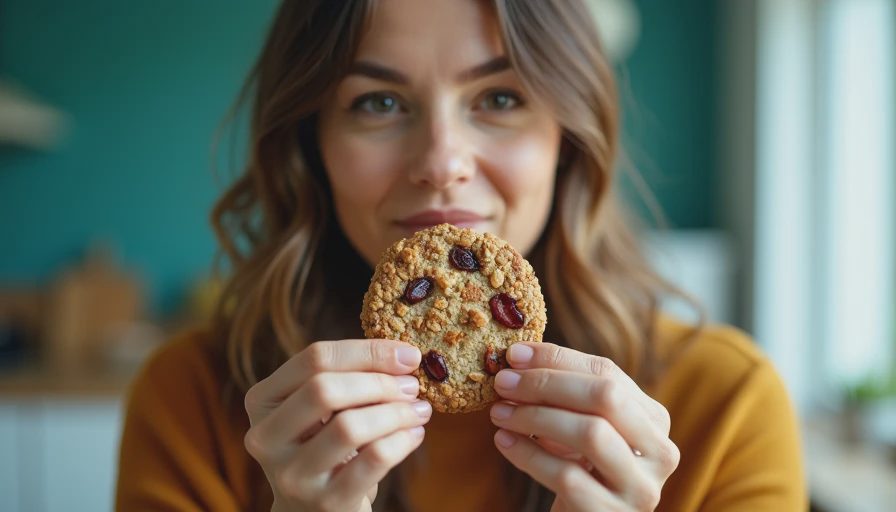
My favorite formula is forgiving enough for a busy kitchen. Combine two cups of old-fashioned rolled oats with one cup of whole-wheat flour, one teaspoon of cinnamon, half a teaspoon of baking soda, and a pinch of salt. In a separate bowl, mash one large ripe banana with one-third cup of natural peanut butter, one egg, two tablespoons of maple syrup, and one teaspoon of vanilla extract.
Stir the wet mixture into the dry ingredients. Fold in one-third cup of chopped walnuts and one-quarter cup of raisins or mini dark chocolate chips. Let the dough sit for ten minutes before scooping. This pause allows the oats to absorb moisture, which prevents cookies from spreading too thin and turning hard around the edges.
Scoop twelve portions onto a parchment-lined baking sheet and flatten each mound slightly with damp fingers. Bake at 350 degrees Fahrenheit for 12 to 15 minutes, until the centers look set and the edges are lightly golden. The cookies will continue firming as they cool, so do not wait for a deep brown color. Overbaking is the fastest way to lose the tender texture that makes healthy breakfast cookies worth making.
Smart ingredient swaps without wrecking the texture
If you need a nut-free batch, replace peanut butter with sunflower seed butter and use pumpkin or sunflower seeds instead of walnuts. The dough may be slightly softer, but a ten-minute rest usually solves that problem. For a dairy-free recipe, this formula already works without milk or butter. To make it gluten-free, use certified gluten-free oats and a gluten-free flour blend designed for baking rather than plain coconut flour.
Applesauce can replace the banana, but the flavor will be less sweet and the cookies may be a little paler. Use three-quarters cup of unsweetened applesauce in place of the banana and add an extra tablespoon of maple syrup if needed. I would not replace all the flour with almond flour; it changes the structure and can leave the centers greasy. A half-and-half blend is more dependable.
These healthy breakfast cookies also tolerate small additions. A tablespoon of ground flaxseed adds a subtle nutty note, while grated carrot contributes moisture and color. If you add shredded zucchini, squeeze it very dry first. Extra water makes the dough loose and can create a gummy center.
How to serve and store the batch
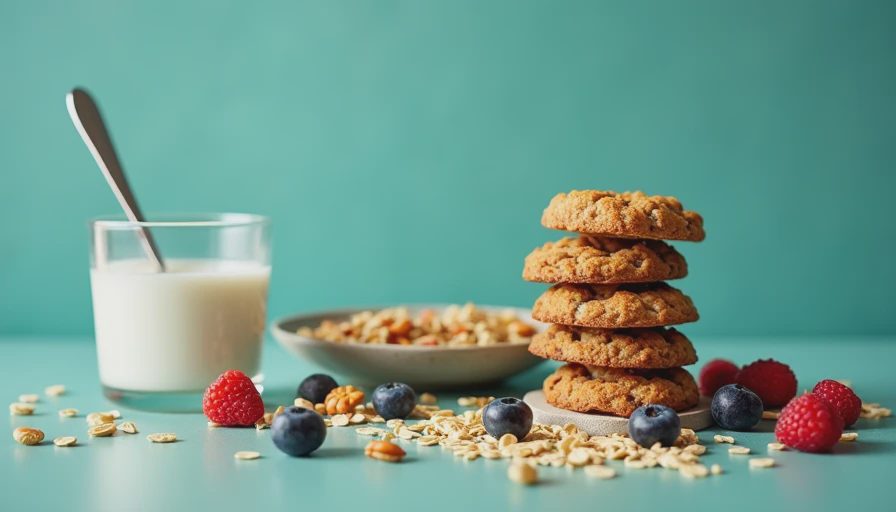
One cookie is a light breakfast component, not necessarily a complete meal for every person. Pair it with Greek yogurt, cottage cheese, a glass of milk, or a hard-boiled egg when you need more protein. A piece of fruit adds freshness and makes the meal more filling. For a child’s lunchbox, serve one cookie with cheese and berries rather than packing several cookies alone.
Cool the cookies completely before storing them in an airtight container. They keep at room temperature for about three days, or in the refrigerator for roughly a week. Refrigeration makes them firmer, so warm one for ten seconds in the microwave if you prefer a softer center. For longer storage, freeze them in a single layer, then transfer them to a freezer bag. They thaw quickly on the counter and are useful for rushed mornings.
If your first batch seems dry, reduce the baking time by two minutes or add a tablespoon of milk to the next batch. If it spreads too much, chill the scooped dough for 20 minutes. Baking is a conversation between ingredients, temperature, and time; one small adjustment is usually more helpful than abandoning the recipe.
The honest nutrition perspective
Calling a recipe healthy does not erase its calories, carbohydrates, or sweetness. It simply describes how the ingredients fit together. Oats, fruit, nuts, and seeds offer more fiber and micronutrients than a conventional sugar-and-flour cookie, but portion size still matters. Someone managing diabetes or prediabetes may want to pair a cookie with protein and monitor how the full meal affects their blood glucose. Individual needs differ, so use the recipe as a practical starting point rather than a medical prescription.
The reason I keep making healthy breakfast cookies is that they solve a real problem. They are easier to eat than oatmeal in the car, more appealing than another protein bar, and flexible enough for a family with different preferences. You can make the base recipe on Sunday, freeze half, and have a homemade option ready when the bakery case is calling.
Start with the written amounts before improvising. Once you understand how oats absorb liquid and how sugar affects browning, you can experiment confidently with spices, seeds, fruit, and chocolate. That is the real promise of healthy breakfast cookies: not perfection, but a repeatable bake that delivers less sugar, useful ingredients, and the pleasure of a cookie in the same bite.
Letters
No letters yet — be the first to write.