A good black forest cookie should taste like a shortcut to Black Forest cake: deep chocolate, bright cherry, and just enough almond to make people pause after the first bite. That is the kind of dessert I reach for when I want something special without setting up the usual sugar spike an hour later. In my kitchen, sugar is a tool, not a villain. It helps cookies spread, brown, and stay soft, so I do not slash it blindly. Instead, I build flavor with cocoa, tart cherries, a little brown sugar, and a smart bake time. The result is a cookie that lands in the sweet spot: rich, chewy, and honest about what it is.
Why a black forest cookie tastes like cake, not just a chocolate cookie
The classic Black Forest flavor profile comes from three places: cocoa, cherries, and a hint of almond. Chocolate gives the base, cherry adds the bright fruit note, and almond extract makes the whole thing taste a little more like the cake people remember from celebrations. That is why a black forest cookie can feel fancy even when the method is simple. I like Dutch-process cocoa for its smoother, deeper flavor, but natural cocoa works too if that is what you have in the pantry.
Sugar matters here because it does more than sweeten. It helps the edges brown, keeps the crumb tender, and gives the center that soft bite people want in a cookie. If you reduce it too much, you get dryness and a flatter taste. The trick is not to strip the flavor down; it is to layer in enough chocolate depth and fruit brightness that you can use less sugar and still get a cookie worth repeating.
Ingredient choices that keep the texture soft and the flavor clear
For a black forest cookie, I like a sugar blend instead of a single sweetener. A little granulated sugar gives structure, while brown sugar brings moisture and a faint molasses note that plays well with cocoa. If I am making a dozen or so cookies, I often start with three quarters of a cup total sugar rather than a full cup. That is enough sweetness for most palates without pushing the cookie into cupcake territory. It also leaves room for the cherries and chocolate to stand out.
For the fruit, dried tart cherries are my first choice because they deliver flavor without watering down the dough. If you only have sweet dried cherries, chop them smaller and use a little less. Fresh or frozen cherries can work, but they need extra handling. Pat them dry after thawing, and do not add so many that the dough turns sticky. A handful of chopped dark chocolate or good chips, such as Ghirardelli or Guittard, gives you those melty pockets that make the cookie feel complete. A half teaspoon of almond extract is enough; too much and the flavor starts to taste like perfume.

The mixing and baking method that protects the chew
A black forest cookie benefits from a method that looks ordinary but respects the dough. Cream the butter and sugar for two to three minutes until the mixture looks fluffy and a little lighter in color. That step traps air, which helps the cookie rise just enough instead of spreading into thin wafers. Add one egg plus one yolk if you want extra chew, then mix in vanilla and almond extract. The dry ingredients should include flour, cocoa, baking soda, and salt. I always whisk them separately so the cocoa does not clump and the salt is evenly distributed.
When the dough comes together, fold in the cherries and chocolate by hand. Then chill it for at least 30 minutes. Chilling gives the flour time to hydrate and keeps the butter from melting too quickly in the oven. Bake at 350 degrees F for about 10 to 12 minutes, just until the edges look set and the centers still seem soft. They will finish on the pan. If you wait for them to look fully done, they will be dry by the time they cool.
The finish matters more than a heavy frosting
You do not need a thick layer of frosting for a black forest cookie to feel like dessert. In fact, too much frosting can bury the cherry flavor and make the cookie taste one-note. I usually prefer a light finish: a drizzle of melted dark chocolate after the cookies cool, or a thin cream cheese glaze if I want a softer, bakery-style look. If you make glaze, keep it restrained. A couple tablespoons of powdered sugar in the whole batch is enough when the cookie itself is already carrying the sweetness.
For a more dramatic look, press a few extra cherry pieces and chocolate shards into the top right after baking. That gives you the visual cue people expect from the cake without adding much sugar. A tiny pinch of flaky salt can also help the chocolate pop. The goal is not to cover the cookie up. It is to make every bite taste intentional.
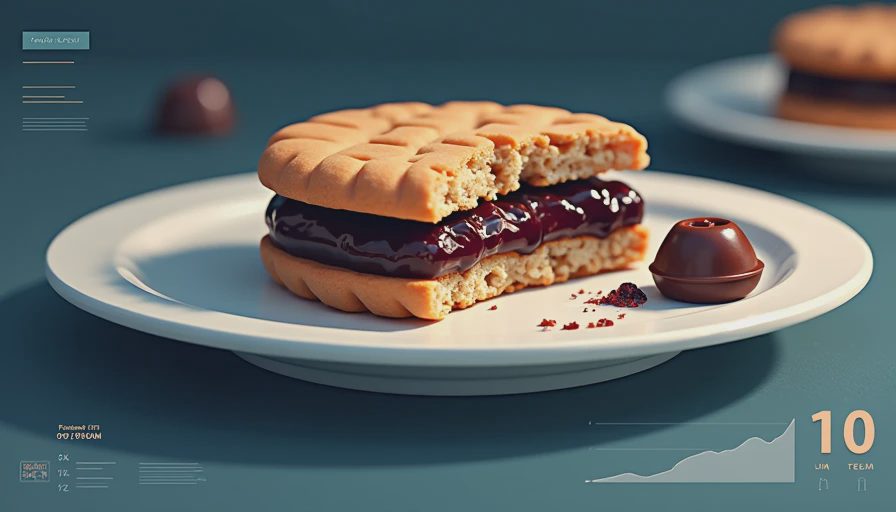
Storage, make-ahead options, and the best time to serve them
A black forest cookie keeps well, which makes it useful for parties, lunchbox treats, and weeknight desserts. Store the cooled cookies in an airtight container at room temperature for three to four days. If you want them to stay softer, tuck in a small piece of parchment between layers so the chocolate does not smear. They also freeze well. I freeze baked cookies flat, then move them to a freezer bag once they are solid. They are still excellent after a month or two, especially if you let them thaw at room temperature instead of microwaving them into a puddle.
You can also freeze the scooped dough. That is my favorite move for busy weeks, because a chilled dough ball goes straight onto a sheet pan and bakes with just a minute or two added. Serve them with coffee, milk, or after a simple dinner when you want dessert that feels thoughtful but not fussy. That is where this cookie shines: it delivers the mood of a special occasion with a realistic amount of sugar.
Troubleshooting when the batch spreads, cracks, or tastes flat
If a black forest cookie spreads too much, the dough was probably too warm or the flour was a little light. Chill the dough longer next time, and measure flour by spooning and leveling instead of scooping hard from the bag. If the centers crack too aggressively, the oven may be running hot, or the dough may need one more tablespoon of moisture from an extra yolk or a touch more butter. If the flavor tastes flat, do not immediately add more sugar. First try a pinch more salt, a stronger cocoa, or a teaspoon of espresso powder to deepen the chocolate.
If the cookie tastes too sweet, use darker chocolate and tart cherries on the next round rather than stripping sugar out completely. That is the RD baker’s lesson I keep coming back to: less sugar. Same joy. When the structure is right, the flavor is clear, and the timing is on point, this cookie earns a place in the regular dessert rotation.


Letters
No letters yet — be the first to write.