If you've been staring at a half-empty carton and wondering can you make brownies without eggs, the short answer is yes. Brownies are one of the easiest desserts to adapt because chocolate, fat, and sugar do most of the heavy lifting. Eggs help with structure, shine, and a little lift, but they are not the only way to get a pan that slices cleanly and still tastes like dessert. The trick is choosing a replacement that matches the style of brownie you want: dense and fudgy, a little cakier, or somewhere in the middle. Once you understand what eggs are doing in the bowl, the swaps stop feeling random and start feeling like a formula you can trust.
If you are asking can you make brownies without eggs, start with structure
Eggs do three jobs in brownies. They bind the batter so the squares hold together, they add moisture, and they set as the pan bakes so the center does not slump. In many recipes, the whites bring a bit of lift while the yolks add richness and help emulsify the fat and sugar. That is why a brownie with no eggs can still taste good but feel more delicate, especially if the recipe is already lean.
For a rich brownie, the easiest fix is to replace function, not just volume. If the batter already has melted butter and chocolate, you are in good shape because those ingredients carry a lot of the texture. If the recipe is cocoa-heavy and lighter on fat, you need a swap that adds both moisture and a little binding power. Ground flaxseed is my favorite for that job because it gels when mixed with water. It will not give you the shiny top that whipped eggs can create, but it does give you a sturdy, brownie-like crumb that cuts well the next day.
My usual test-kitchen rule is simple: if a recipe calls for one egg, use 1 tablespoon ground flaxseed plus 3 tablespoons water. Stir it and let it sit for about 10 minutes until it looks thick and glossy. For two eggs, double that. If you want a softer crumb, unsweetened applesauce can work at 1/4 cup per egg, but I like to add 1 tablespoon of oil back into the batter if it starts looking thin. Greek yogurt or sour cream, also 1/4 cup per egg, gives you a richer bite and a flavor that feels close to classic bakery brownies.
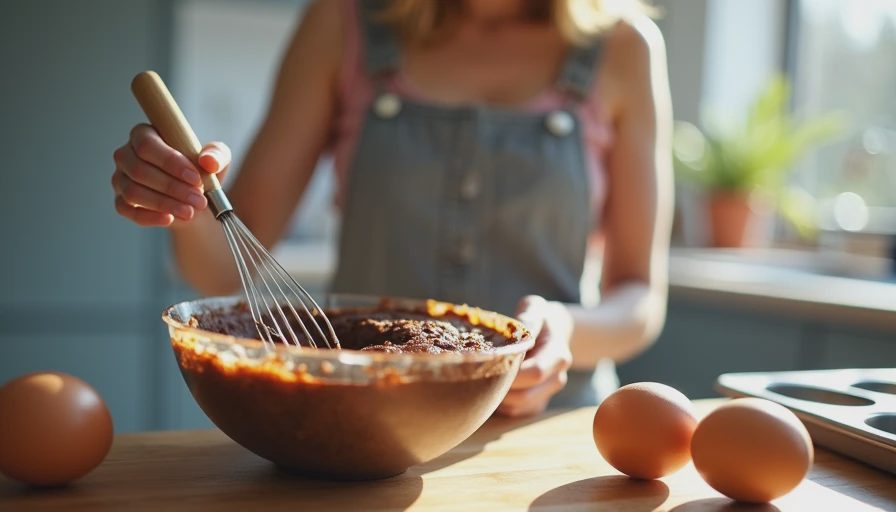
The sugar question matters more than most people think
People often ask about the eggs, but sugar is the other ingredient that decides whether a brownie feels plush or dry. Sugar does more than sweeten. It holds moisture, slows gluten development, and helps create that thin crackly top that people love. When you remove eggs and also slash sugar hard, the brownie can turn chalky fast. That is why I do not recommend making two big changes at once on the first try.
If you are testing a family recipe, keep the sugar reduction modest. In a standard 8-inch pan, I would cut no more than 1/4 cup from the original amount on your first batch. If the recipe uses melted chocolate, unsweetened cocoa, butter, and flour in a familiar ratio, the brownies usually still bake up well with that small change. Add a little vanilla and a pinch of salt if the flavor falls flat. A half teaspoon of espresso powder will not make the brownies taste like coffee, but it will deepen the chocolate in a way that reads as richer, not sweeter.
Boxed mixes are easier than scratch recipes because they usually already have enough sugar and starch to support an egg swap. A mix from Ghirardelli or Duncan Hines, for example, can often handle flax or applesauce better than a very lean homemade batter. If you are using a box mix, start with the package directions, swap one egg at a time, and bake until the center looks set but still moist. That usually means a few crumbs on the tester, not a dry toothpick.
Best egg substitutes for brownies, ranked by texture
For fudgy brownies, flax is the best all-around choice. It does not taste like anything once baked, and it helps the batter hold together without turning bready. Applesauce is useful if you want a softer, more tender crumb, but too much can make the center taste slightly wet or go pudding-like. Yogurt and sour cream bring the best dairy richness, so I reach for them when I want a classic brownie with a slightly tighter crumb. Aquafaba can add lift, but brownies usually do not need a lot of air, so I use it less often unless I am trying to lighten the texture on purpose.
What matters most is matching the swap to the pan. For a small 8x8 pan, flax usually gives the most reliable slice. For a 9x13 pan, where the batter is spread thinner, applesauce or yogurt can work because the brownies do not need quite as much structural support. If you are baking for kids, I would choose flax first because it tastes the most neutral and keeps the texture familiar. That is the kind of swap that lets you serve dessert without explaining the science at the table.
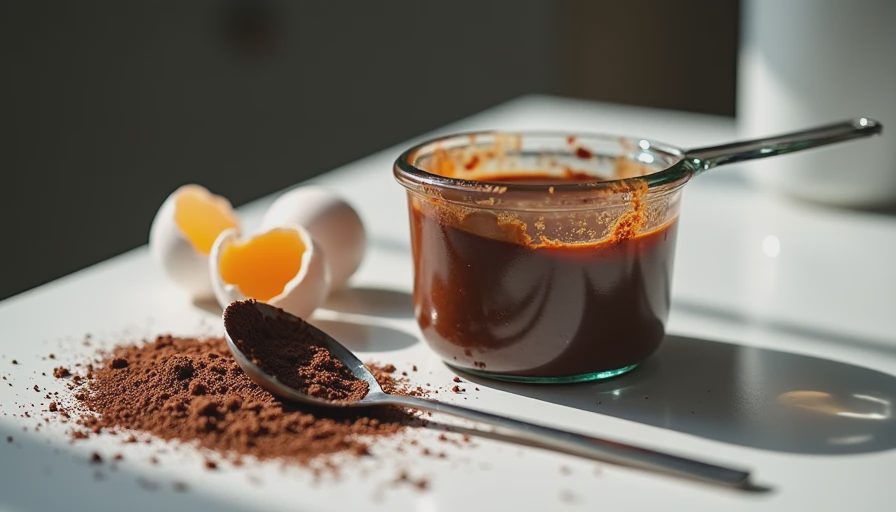
Common brownie problems and what they mean
If the brownies crumble when you lift them, the batter likely needed a little more binding or a shorter bake. Next time, add another tablespoon of flax mixture or leave the pan in the oven one or two minutes less. If the center turns gummy, the problem is usually too much moisture from applesauce, yogurt, or an underbaked middle. Let the brownies cool fully before cutting, because egg-free brownies set more as they cool than a traditional cake-style brownie.
If the top looks greasy, the fat and liquid are not holding together well. That is a sign to switch from applesauce to flax, or to reduce any extra oil you added. If the brownies come out cakey when you wanted fudgy, you probably used too much flour or added more baking powder than the recipe needed. Most brownies do not need much leavener at all. A small amount of baking powder can help a very dense recipe, but too much pushes the texture toward cake, which is not what most people are after when they ask for brownies.
Line the pan with parchment, leave a little overhang, and cool the brownies before slicing. That one step saves the edges from tearing and makes it much easier to get neat squares from a soft batch.
A simple egg-free brownie formula to try tonight
If you want a reliable starting point, make an 8x8 pan with 1/2 cup butter, 4 ounces chopped dark chocolate, 1 cup sugar, 2 flax eggs, 1 teaspoon vanilla, 1/2 teaspoon salt, 1/2 cup flour, 1/4 cup cocoa powder, and 1 tablespoon espresso powder if you like deeper chocolate flavor. Melt the butter and chocolate together, whisk in the sugar and flax mixture, then fold in the dry ingredients just until combined. Bake at 325 F for about 22 to 26 minutes, until the center is set and a tester comes out with moist crumbs.
That formula gives you a brownie that is chewy, glossy enough to feel finished, and sturdy enough to pack in a lunchbox the next day. So yes, can you make brownies without eggs and still serve something worth repeating? Absolutely. Choose the swap that fits your texture goal, keep enough sugar for moisture and shine, and start with one pan before you adjust the whole family recipe. That is how you get less sugar. Same joy.

Letters
No letters yet — be the first to write.