This lemon cheesecake recipe is the one I make when I want a dessert that feels generous without being cloying. I trim the sugar in the filling by about a quarter, keep the cream cheese full-fat, and let fresh lemon zest do the heavy lifting. That gives you a cheesecake that tastes sunny and clean, with a filling that still slices like a cheesecake should instead of collapsing into mousse.
Why the sugar cut works
What makes this lemon cheesecake recipe work is that the sugar reduction is modest, not heroic. Sugar does more than sweeten; it also softens the set, helps the top brown a little, and rounds off the sharp edges of lemon. If you slash it too hard, the filling can turn eggy or dry. I use 3/4 cup granulated sugar for 24 ounces of cream cheese, which is enough to taste like dessert but not so much that the citrus disappears. If you want a sweeter finish, add another 2 tablespoons. I would not jump straight to a full cup unless you want a richer, more classic New York-style profile.
Ingredients that keep the texture plush
For the crust, use 1 1/2 cups graham cracker crumbs, 5 tablespoons melted butter, 1 tablespoon sugar, and a pinch of salt. That small hit of sugar helps the crust taste toasted, not dusty. For the filling, start with three 8-ounce blocks of full-fat cream cheese, 3/4 cup sugar, 1/4 cup sour cream, 3 large eggs, 1 tablespoon flour or cornstarch, 1 tablespoon finely grated lemon zest, 1/4 cup fresh lemon juice, 1 teaspoon vanilla, and a pinch of salt. If your lemons are especially fragrant, the zest matters more than the juice. Juice brings brightness, but zest is where the perfume lives. In a lemon cheesecake recipe, that balance is what keeps the flavor vivid without making the filling watery.
Step by step, the method is simple. Press the crust into a 9-inch springform pan and bake it at 350 F for about 10 minutes, just until it smells nutty. Lower the oven to 325 F. Beat the cream cheese and sugar on low speed until smooth, then add the sour cream, flour, vanilla, zest, juice, and salt. Mix in the eggs one at a time and stop as soon as the batter looks uniform. Overbeating adds air, and air is what turns into cracks later. Pour the filling over the crust, tap the pan once on the counter, and bake until the edges are set but the center still jiggles like set Jell-O in a 2-inch circle.
The baking science that prevents cracks
If you have ever pulled a cheesecake out too early or too late, you know the difference between creamy and crumbly is not subtle. In this lemon cheesecake recipe, I rely on gentle heat and a slow cool because both protect the eggs from tightening too fast. A water bath is the most reliable method: wrap the springform pan in foil, set it in a roasting pan, and add enough hot water to come halfway up the sides. If that sounds fussy, place a pan of hot water on the rack below the cheesecake. It is not quite the same, but it still helps.
Cooling matters as much as baking. Turn off the oven, crack the door, and let the cake sit for 30 minutes before moving it to the counter. Then chill it at least 6 hours, preferably overnight. That rest gives the filling time to firm up, and it also lets the lemon flavor settle into something rounder and more balanced. When I rush this part, the first slice always looks messy. When I wait, the cake cuts cleanly and tastes better.
Easy ways to change the flavor without wrecking the set
You can bend this lemon cheesecake recipe in a few useful directions. For a brighter finish, fold 1 extra teaspoon of zest into the batter. For a softer, more dessert-shop style top, spoon on a thin layer of plain sour cream mixed with 2 tablespoons powdered sugar after the cake cools. For fruit lovers, a blueberry or raspberry topping works well because the berry tartness echoes the lemon instead of fighting it. I like to simmer 2 cups berries with 1 tablespoon honey and a splash of water until glossy, then cool it before serving.
If you want the cake sweeter, increase the filling sugar to 7/8 cup rather than 1 cup right away. That keeps the structure close to the original and gives you room to see whether your family actually needs the extra sweetness. Mine usually does not. The lemon carries plenty of interest on its own.
What the first slice should taste like
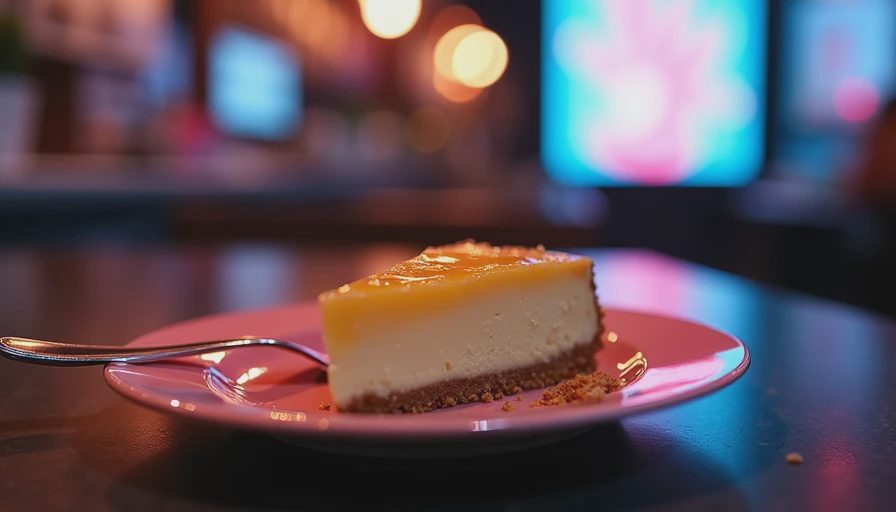
The first slice should taste like bright lemon curd wrapped in a soft cloud of cream cheese. In this lemon cheesecake recipe, the filling is meant to be tangy first and sweet second, so the lemon feels fresh instead of sharp. You should get a clean graham crust, a creamy middle, and a finish that makes a second bite easy. If the cake tastes flat, the fix is usually a little more zest, not more juice. Juice adds acid; zest adds aroma, which reads as flavor before your tongue even catches up. That is why I always taste the batter before baking and adjust the zest if the mixture seems sleepy.

Serving, storing, and getting the cleanest slices
For the best texture, this lemon cheesecake recipe should come straight from the refrigerator, not sit out for long before slicing. Dip a thin knife in hot water, wipe it dry, and cut one slice at a time. That little ritual gives you cleaner edges and a nicer presentation, which matters more than people admit when dessert lands on the table.
Leftovers keep well for 4 to 5 days in the fridge, covered tightly. You can also freeze individual slices for up to 2 months; wrap them in plastic and then foil so they do not pick up freezer smell. Thaw overnight in the refrigerator. The cake is still creamy after freezing, though the crust softens a bit.
If you have been burned by low-sugar desserts that taste like compromise, this version should feel like a relief. It is bright, rich, and satisfying without needing a giant sugar hit, which is exactly the kind of dessert I want in my own kitchen. That is the whole point of a good lemon cheesecake recipe: less sugar, same joy.



Letters
No letters yet — be the first to write.