If you want eggless chocolate chip cookies that still taste like a real bakery cookie, the trick is understanding what eggs do before you try to replace them. Eggs help bind the dough, add moisture, and support lift, so when they are missing, the cookie needs another structure. The good news is that with the right swap and the right mixing method, you can still get crisp edges, soft centers, and pockets of melted chocolate without making the dough feel fussy.
In my kitchen, the goal is never a sad compromise. I want a cookie that smells like butter and vanilla, tastes rich, and cools into a chewy bite instead of a crumbly one. That is very doable, and you do not need a long ingredient list to get there. You just need to know where the texture is coming from.
Why eggless chocolate chip cookies need a different structure
Eggs do three jobs in a classic cookie: they hold the dough together, they add a little extra water, and they help the cookie set as it bakes. Without that protein network, the dough can spread too much or bake up sandy and dry. The fix is not more flour. The fix is better balance between fat, sugar, starch, and moisture.
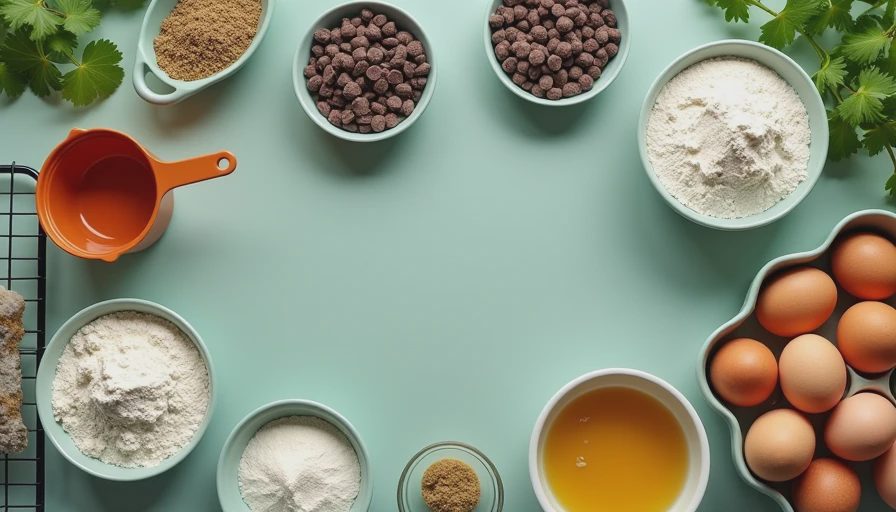
For a standard batch, I like a dough built around softened butter, a mix of brown sugar and white sugar, all-purpose flour, a spoonful of cornstarch, baking soda, salt, vanilla, and chocolate chips. Brown sugar matters because it brings molasses flavor and holds moisture, which is one reason this style of cookie stays chewy the next day. A small amount of cornstarch helps the crumb feel tender instead of tough. If you measure flour by scooping straight from the bag, the cookies can turn dense, so spoon and level the flour instead.
When I make a batch for my family, I use the same logic I use in the clinic: keep the ingredients simple, but make each one pull its weight. That is how the cookie stays satisfying without relying on an egg for everything.
The best egg swap for a soft, chewy cookie
For eggless chocolate chip cookies, my favorite binder is a flax egg: 1 tablespoon finely ground flaxseed mixed with 3 tablespoons water. Stir it together, let it sit for 5 minutes, and it turns thick and slightly gel-like. That little bit of structure replaces the binding power of an egg surprisingly well, and it helps the cookies bake into a soft center instead of a fragile one.
If you want the lightest result, aquafaba can work too. Three tablespoons of the liquid from a can of chickpeas behaves a lot like egg white in a cookie dough, though the texture is a little more delicate. Unsweetened applesauce is another option, but it pushes the cookie toward cakier and softer, which is not always what you want if chewy is the goal. For most home bakers, the flax egg is the easiest place to start because it is inexpensive, shelf-stable, and consistent.
One honest note from taste tests: flax adds a faint nutty note. In a cookie full of vanilla and chocolate, that flavor usually disappears into the background. If you are serving very picky kids, use mini chips and a touch more vanilla, and no one will call it out.
The mixing method that keeps the centers soft
Cream the butter and sugars until the mixture looks lighter and a little fluffy, about 2 to 3 minutes with a hand mixer. That step matters because it traps air, which gives the cookies a better rise. Add the flax egg and vanilla next, then mix just until smooth. After that, stir in the dry ingredients only until the flour disappears. Overmixing develops gluten and makes the cookies tougher, which is the opposite of what you want.
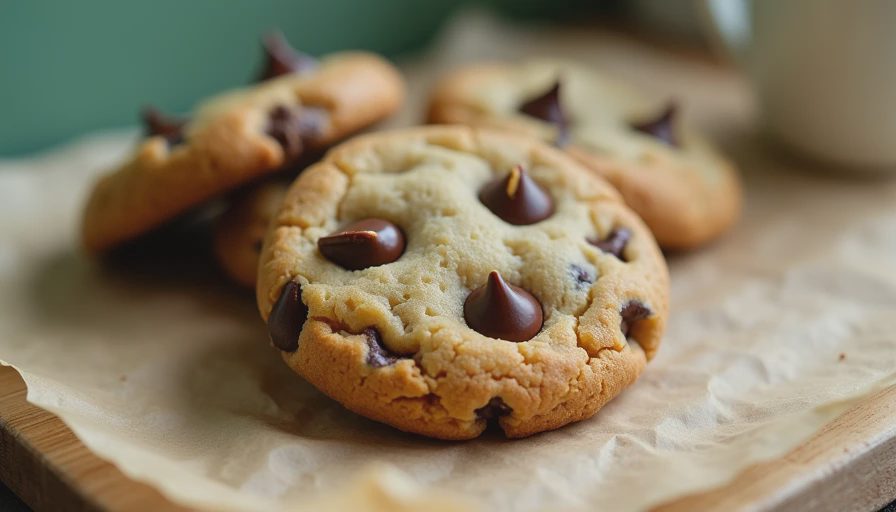
Fold in the chocolate chips, then chill the dough for at least 30 minutes. Chilling gives the flour time to hydrate and helps the fat firm up, so the cookies spread less in the oven. Scoop the dough into even mounds, then bake on a parchment-lined sheet at 350 F until the edges are set and the centers still look slightly underdone. They will finish setting on the pan. If you wait until the tops look completely done in the oven, you usually lose that soft middle.
Troubleshooting dry, puffy, or flat dough
If the dough feels dry and will not come together, the flour was probably packed too tightly or the dough needed a touch more moisture. Add 1 teaspoon of milk at a time until the dough holds when pressed. If the cookies bake up puffy instead of chewy, the dough may have been overmixed or the oven may run cool, which keeps the structure from setting at the right pace. An oven thermometer is worth the ten dollars.
Flat cookies usually mean the butter was too soft or the dough was too warm. Chill it longer, or add 1 to 2 tablespoons of flour if the dough looks glossy and loose. I also like to use a sturdy baking sheet and avoid greasing it, since extra grease can encourage spread. When I test eggless chocolate chip cookies, I want the dough to look scoopable, not runny, before it goes into the oven.
Flavor upgrades that still taste like the real thing
Once the base works, small upgrades can make the cookie taste more bakery-worthy without losing the clean formula. A half teaspoon of espresso powder deepens the chocolate flavor. A few chopped walnuts or pecans add crunch. Flaky salt on top gives you that sweet-salty finish people expect from a good cookie. If you like a richer bite, swap half the chips for chopped dark chocolate so you get puddles instead of uniform dots.
You do not need to slash sugar to make a better dessert. Sugar helps browning, spread, and tenderness, which is why a cookie with too little sugar often tastes pale and dry. If you want a slightly less sweet version, trim the sugar by 2 tablespoons, not half the bowl. That small change is usually enough to tame the sweetness without wrecking the texture.
Storage, freezing, and a simple make-ahead plan
These cookies keep well in an airtight container for about 3 days, and the flavor often improves by the second day because the moisture evens out. For longer storage, freeze the unbaked dough balls on a tray, then move them to a freezer bag. They can go straight from freezer to oven with an extra 1 to 2 minutes of bake time. That is one of my favorite weeknight tricks because it turns a half-hour of prep into several fresh cookies later.
If you want a dessert that feels familiar enough for a potluck but smart enough for an everyday treat, these eggless chocolate chip cookies are the kind I keep coming back to. Less sugar. Same joy.

Letters
No letters yet — be the first to write.