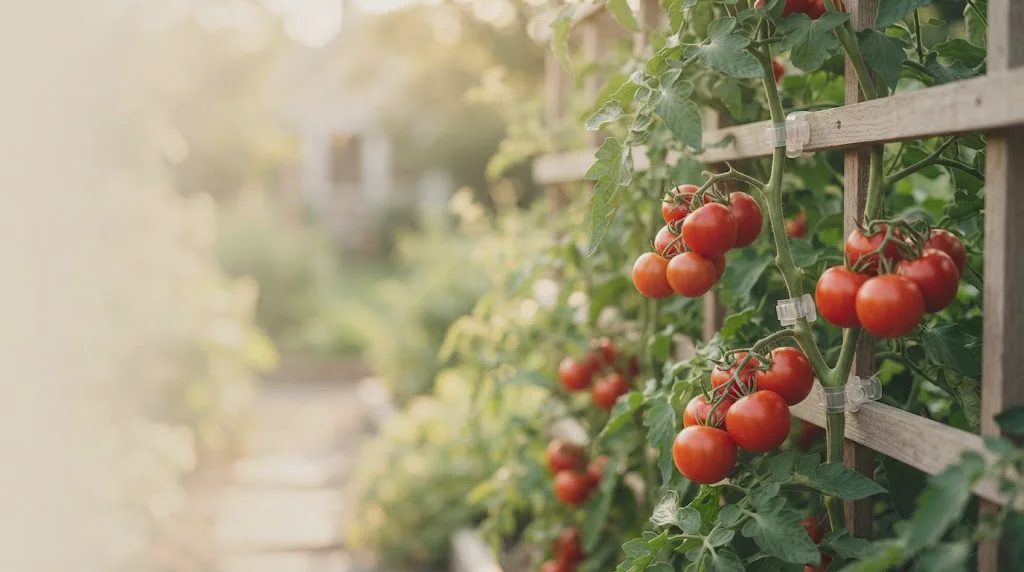
Every summer, my backyard garden follows the same pattern. The strawberries finish their first big harvest, the raspberries begin to ripen, and then the tomatoes take over everything.
At first, tomato plants seem manageable. A few flowers appear, small green fruits start developing, and everything looks neat and organized. Then, almost overnight, the vines become heavy with fruit. Branches bend, stems lean against each other, and a single windy afternoon can leave an entire plant struggling to stay upright.
The challenge is finding a support method that keeps plants secure without damaging delicate stems. For years I tried string, wire, anything I had lying around — until I started using a small plastic clip instead of tying anything at all, and it quietly became the thing I reach for every single week of the season. Here's why it changed how I support my tomatoes, and what I've learned about using it well.
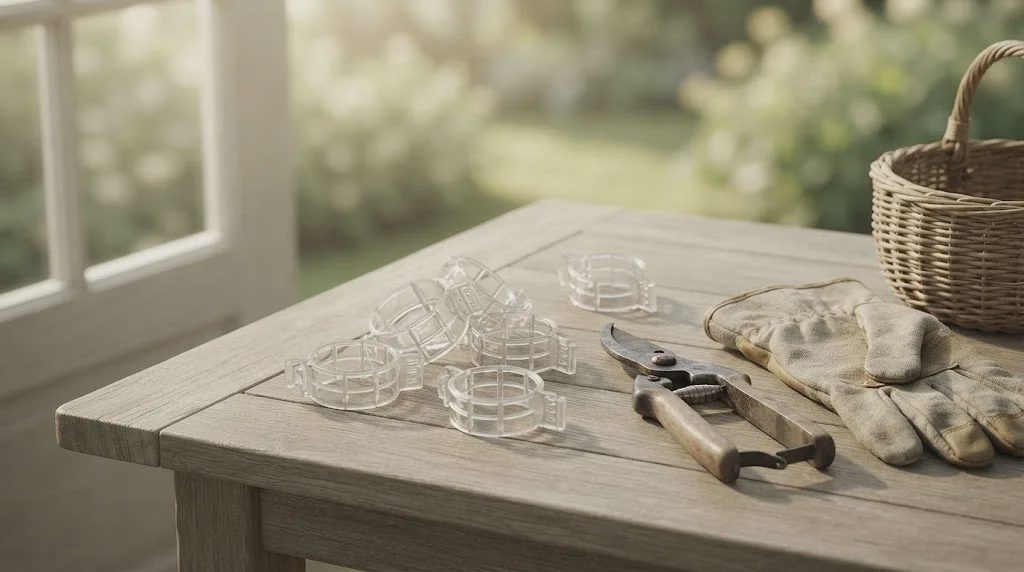
See the Tomato Support Clips I Trust→
Why Tomato Vines Need Support
Tomatoes are surprisingly heavy plants.
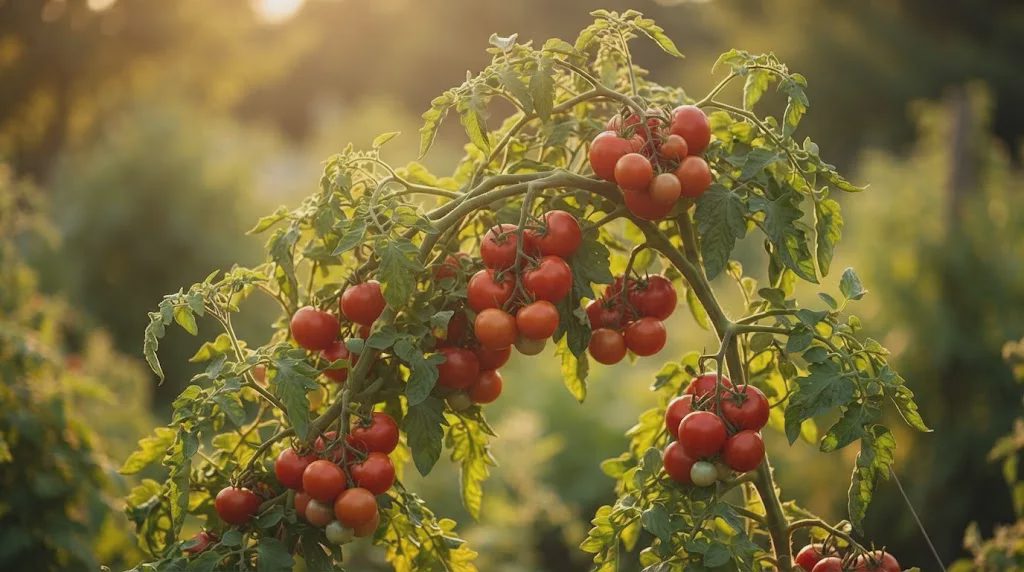
A healthy indeterminate tomato variety can continue growing throughout the season while simultaneously producing dozens of fruits. As clusters mature, individual branches can carry far more weight than they were designed to support on their own.
This is actually the same seasonal handoff I mentioned above: the berry patch winds down right as the tomato vines start demanding the most attention, and that's usually when I switch my full focus to keeping them upright.
Without proper support, several problems often appear:
Branches bend or break under fruit weight
Fruits rest on the ground and become vulnerable to pests
Poor airflow increases the risk of fungal diseases
Harvesting becomes more difficult
Plants receive less sunlight due to overcrowded growth
Many of these problems become even more noticeable during peak summer harvest season.
The Problem With Traditional Garden Ties
Like many gardeners, I started with garden twine.
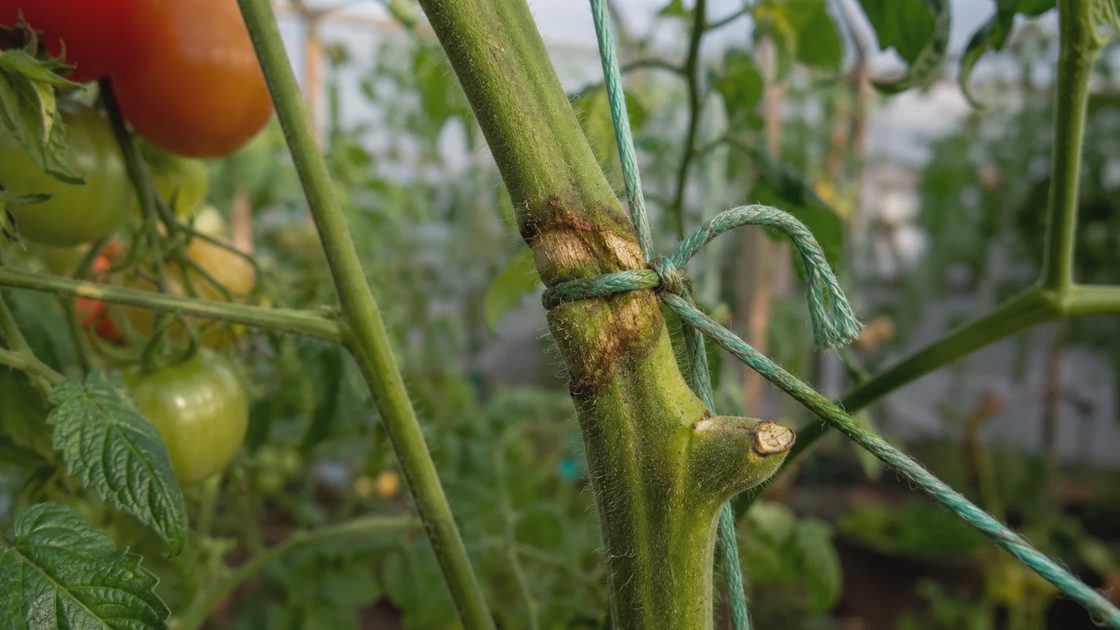
It worked reasonably well at first, but I quickly discovered some drawbacks. Twine requires constant adjustment as plants grow, and if tied too tightly, it can cut into stems. I've also experimented with wire ties and plastic-coated twist ties, but they often created pressure points where stems were most vulnerable.
Tomato stems may look sturdy, but they're surprisingly easy to damage. A tie that's too tight can restrict growth and create weak spots that become more noticeable later in the season.
What I wanted was something secure, gentle enough to grow with the plant, and sturdy enough to hold up through a full season outdoors.
The Solution That Changed My Tomato Setup
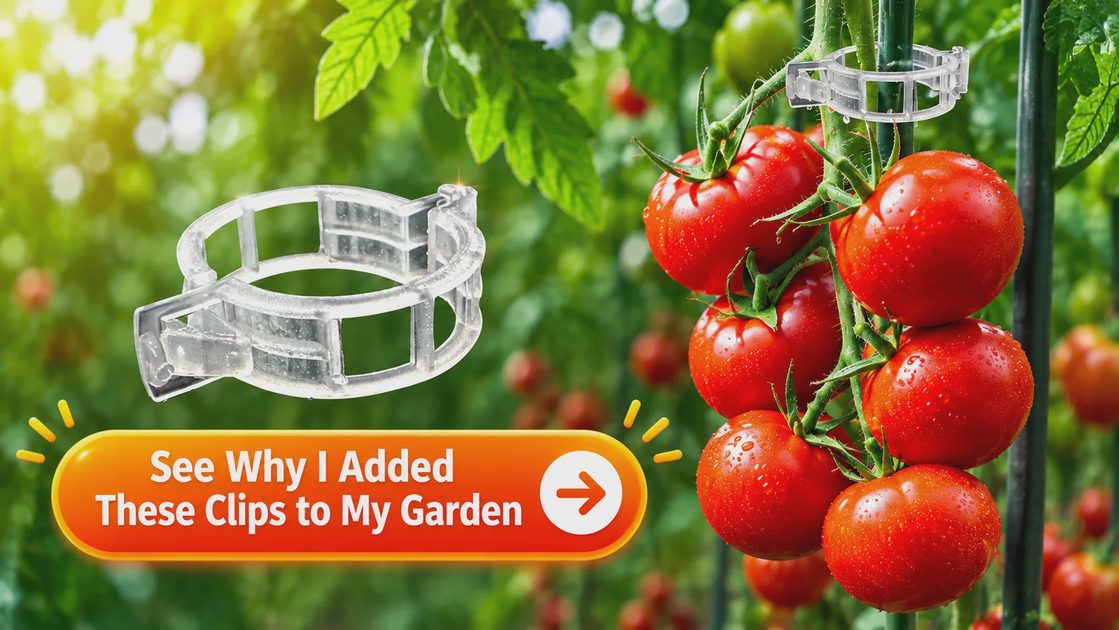
A few seasons ago, I switched to tomato support clips, and they've become one of the simplest upgrades I've made in the garden.
Instead of wrapping ties around each stem, these clips gently connect the plant to a support stake, cage, or trellis. The design holds the vine in place while allowing room for natural growth.
What I appreciate most is the speed. Supporting an entire row of tomatoes now takes only a few minutes instead of the better part of an afternoon.
For gardeners managing multiple plants, that time savings adds up quickly throughout the season — and it's a low-cost fix. The 300-count pack I use runs about $14.99, so a single order covers most home gardens for the whole season. I buy mine directly through the Dalzom listing on Amazon, which ships from Amazon's own fulfillment centers and is Prime-eligible — typically 2–5 business days. I'd avoid third-party garden sites that don't show a clear seller name.
Why I Prefer Tomato Support Clips
1. They Protect Delicate Stems
The biggest advantage is stem protection.
Unlike wire or tightly tied twine, support clips distribute pressure more evenly. The stem stays secure without being squeezed, reducing the risk of damage as the plant grows larger.
This is especially important during peak production when fruit clusters become significantly heavier.
2. They Make Pruning Easier
I regularly remove suckers and lower leaves to improve airflow around my tomato plants.
Because the clips can be opened and repositioned easily, adjusting plant structure becomes much simpler. I can quickly redirect a stem exactly where I want it without cutting and retying support strings.
3. They're Reusable
As someone who tries to reduce waste whenever possible, I appreciate garden tools that last more than one season.
Quality support clips can be cleaned, stored, and reused year after year. For a product that's inexpensive to begin with, the long-term value is excellent.
4. They Work for More Than Tomatoes
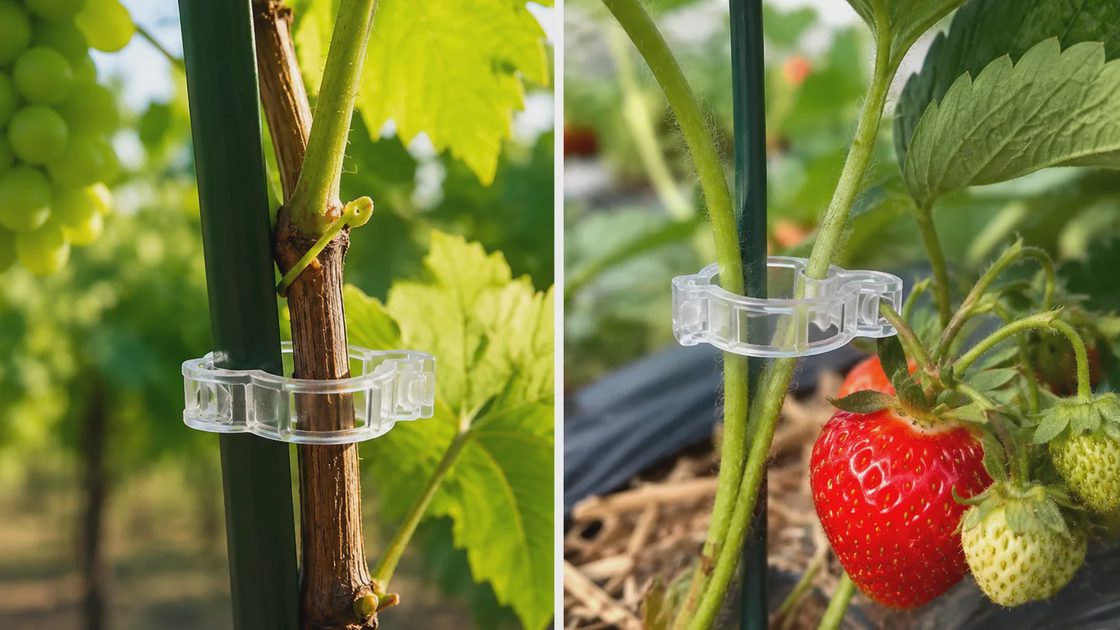
Although I originally purchased them for tomatoes, they've found their way throughout my garden.
I've used similar support clips for:
Grape vines
Cucumbers
Peppers
Pole beans
Young berry canes
Climbing flowers
Any plant that benefits from vertical support can potentially use them. One thing I love about backyard gardening is discovering how one simple tool can solve multiple problems.
See the Tomato Support Clips I Trust →
My Tomato Support Routine
Over the years, I've settled into a simple system.
Early Season:
When seedlings reach 12–18 inches tall, I install stakes or trellis supports. At this stage, only a few clips are needed to guide the main stem.
Mid-Season Growth:
As plants begin producing flowers and fruit clusters, I add additional clips every few inches along the main stem.
This creates multiple support points and prevents stress from concentrating in a single area.
Peak Harvest:
By midsummer, the plants are carrying their heaviest loads.
I inspect them weekly, adding clips wherever branches begin to sag or lean away from the support structure. This small maintenance step helps prevent surprise breakage later.
From Vine to Kitchen:
Harvest season always reminds me that gardening and baking are closely connected — and that the garden's story doesn't start with tomatoes either. It starts back with My Backyard Berry Patch: What's Worth Growing for a Dessert Kitchen, the berries that kick off the season before the vines take over. Once the tomatoes are in full swing and producing faster than you can eat them fresh, What to Bake With a Summer Glut of Strawberries has ideas for an overflowing basket, and Rhubarb: The Underrated Low-Sugar Hero is worth a look if rhubarb is coming in around the same time.
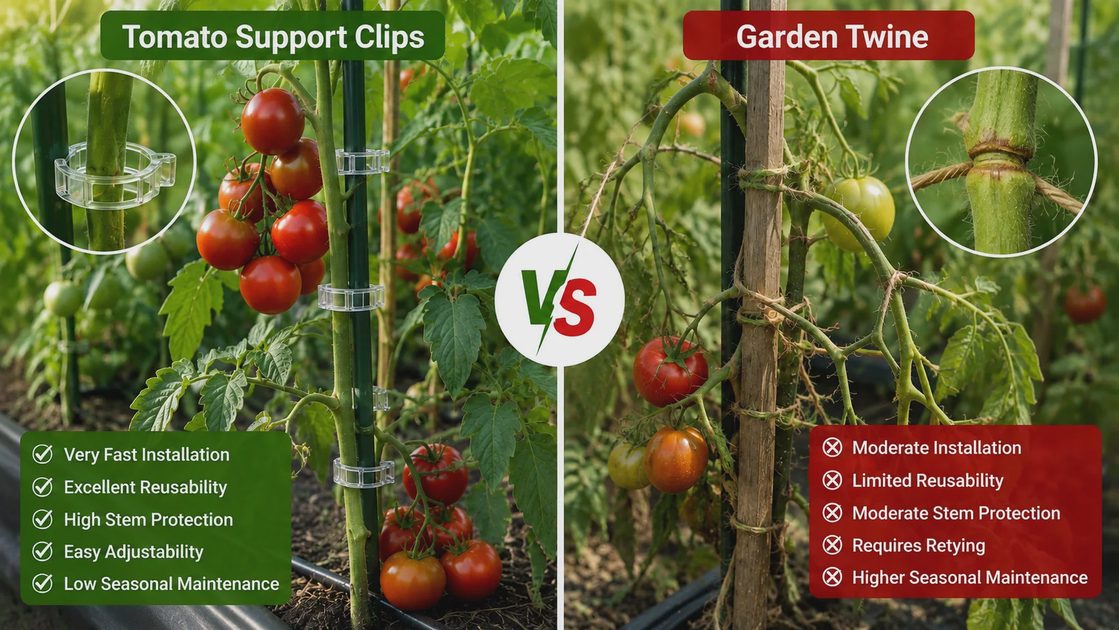
Tomato Clips vs. Garden Twine
Feature | Tomato Support Clips | Garden Twine |
Installation Speed | Very Fast | Moderate |
Reusability | Excellent | Limited |
Stem Protection | High | Moderate |
Adjustability | Easy | Requires Retying |
Seasonal Maintenance | Low | Higher |
Both methods can work, but for gardeners who want a faster and more plant-friendly option, clips are difficult to beat.
Worth knowing before you buy: no plastic clip is flawless. A small share of buyers report an occasional clip arriving cracked in the bag, or a hinge snapping if it's forced open too fast in cold weather. It's a minor annoyance, not a dealbreaker — I just test a clip open and closed once before relying on it, and set aside any that feel stiff.
Frequently Asked Questions
How many clips does one tomato plant need?
Most mature tomato plants need between 8 and 20 clips depending on their size, growth habit, and support system.
Can tomato clips damage plants?
When properly sized, support clips are designed to avoid stem damage by providing gentle support rather than tight compression.
How long do the clips actually last, and how do I care for them?
With basic care, mine have held up for several seasons. At the end of the year, I rinse off any dried soil, let them air-dry completely before storing them indoors out of direct sun, and check each one for a stiff or cracked hinge before the next planting. UV exposure over multiple summers is what eventually makes plastic clips brittle, so storing them out of the sun in the off-season matters more than anything else for lifespan.
When should I start supporting tomato plants?
It's best to begin when plants are still relatively small. Early support encourages upright growth and reduces the need for major adjustments later.
What size and material are these clips made of?
The set I use is Dalzom's translucent plastic clips with a 1.2-inch (30mm) inner diameter — sized to fit standard stakes, cages, and trellis wire. They're made from a high-temperature-resistant plastic that's designed to hold up to full-sun exposure without going brittle right away.
Do they come in different pack sizes?
The listing I buy from is a single 300-clip pack, which is enough for my whole garden with extras left over — that's the size covered by the price above. If you only have a couple of plants, smaller 100- or 200-count packs of similar clips are also sold on Amazon, though I haven't personally tested those smaller listings.
Final Thoughts
For me, tomato support clips have become one of those simple garden tools that quietly make everything easier. They are the kind of small upgrade you don't think about until you realize your garden is healthier, your plants are stronger, and your harvest season feels a little less stressful.
If you're looking for an easier way to support heavy tomato vines without restricting natural growth, this is the tomato clip system I currently use in my backyard garden — a 300-count pack that runs about $14.99, sold and shipped through Amazon.




Letters
No letters yet — be the first to write.