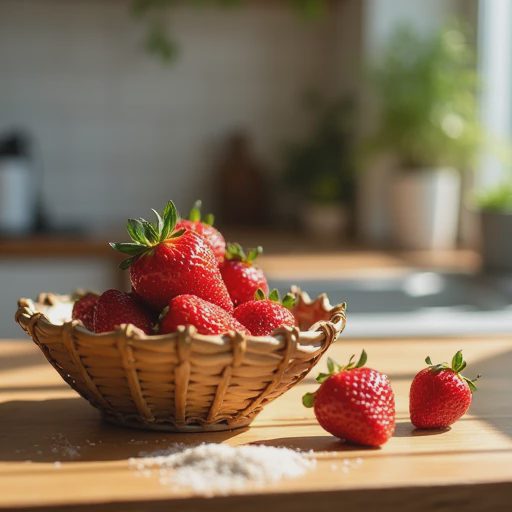
Every June the strawberry bed in our Burlington backyard stops being polite. One day you have a handful for breakfast; three days later you are standing in the kitchen with two overflowing quarts and a mild sense of panic. The kids eat them out of hand until they are bored. Aaron will take a bowl with cream. After that, the rest need a plan that does not involve turning them into jam for the seventh year in a row.
Strawberries are one of the best fruits for lower-sugar baking precisely because they already carry a lot of their own sweetness and bright acidity. When they are truly ripe, you can reduce the added sweetener further than you would with, say, tart rhubarb or underripe peaches, and still end up with something that tastes like celebration instead of compromise.
Here is what I actually do with a sudden glut.
1. Roasted Strawberry Compote (the workhorse)
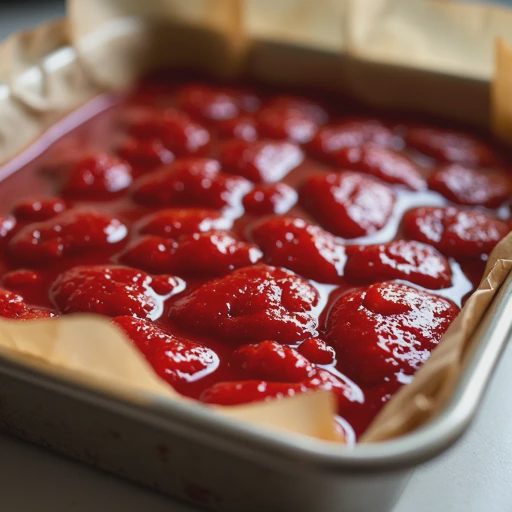
This is the single most useful thing I make. It concentrates flavor, drives off excess water so baked goods do not turn soggy, and needs almost no added sweetener.
Hull and halve 4 cups of strawberries. Toss with 1–2 tablespoons allulose or a 1:1 monk fruit blend (start low—taste after roasting) and a squeeze of lemon. Spread on a parchment-lined sheet and roast at 375°F for 25–35 minutes until the juices are syrupy and the berries have collapsed. Cool and refrigerate.
Uses:
Spoon over yogurt or oatmeal
Fold into whipped cream for a five-minute shortcake situation
Swirl into the low-sugar cheesecake batter later this summer
Use as the fruit layer in a simple crisp
The roasting step is doing the work that extra sugar usually does: concentrating flavor and improving texture.
2. Strawberry-Lemon Olive Oil Cake (lower sugar, still tender)
A single-layer cake that uses the fruit’s moisture and acidity so you can keep the sweetener modest.
I replace most of the sugar with allulose (for tenderness and browning) plus a small amount of maple or a 1:1 blend for flavor. The strawberries are macerated briefly with a spoonful of sweetener and lemon zest, then folded in at the end so they do not sink into a soggy band at the bottom. The olive oil keeps the crumb soft even with less sugar. It keeps well for three days and is excellent with a dollop of lightly sweetened Greek yogurt instead of frosting.
Exact ratios live in my notebook and will get their own full recipe post; the principle is the same one from the master ratio article—protect moisture and browning when you cut the sugar.
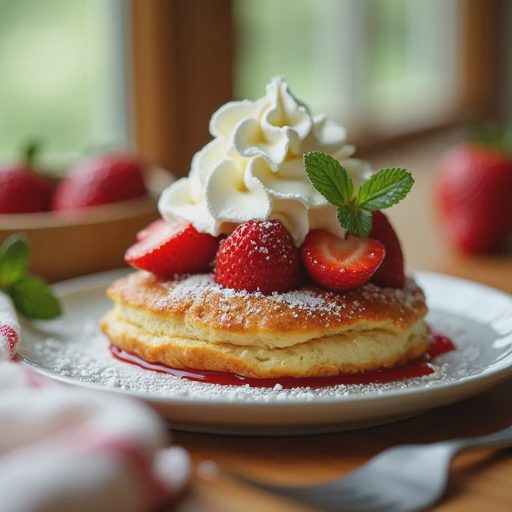
3. Skillet Strawberry Shortcake (the family favorite)
Classic shortcake biscuits are already only modestly sweet. I make them with a reduced amount of allulose or a 1:1 blend in the dough, keep the butter generous, and rely on the roasted or macerated berries for most of the sweetness. A quick whipped cream sweetened with just a teaspoon or two of powdered monk fruit blend is enough. The kids build their own, which means less complaining and more actual eating.
Because the biscuits are not very sweet to begin with, this is one of the easiest places to lower sugar without anyone noticing.
4. Strawberry-Rhubarb (or Just Strawberry) Crisp with a Smarter Topping
If you still have rhubarb, the classic pairing is hard to beat. If not, straight strawberry works. The filling gets only enough sweetener to take the edge off—usually 2–4 tablespoons of allulose or maple for a full 9-inch pan—because the fruit is already high in natural sugar. The topping is where people often dump a lot of brown sugar. I cut it significantly and add a handful of chopped almonds or oats for texture so it still feels substantial.
Practical Notes from the Trenches
Water is the enemy. Fresh strawberries release a lot of liquid. Roasting, macerating and draining, or tossing the fruit with a teaspoon of cornstarch (or arrowroot) before baking prevents the dreaded soggy bottom.
Taste the fruit first. June berries from the garden or a good farm stand may need almost no help. July berries from the supermarket usually need a bit more.
Acid is your friend. A squeeze of lemon or a pinch of salt makes lower-sugar strawberry desserts taste brighter and more complete.
Freeze the overflow. Hull, dry thoroughly, and freeze in a single layer before bagging. Frozen strawberries are perfect for future compotes, smoothies, and baked oatmeal. They are less ideal for recipes where you want distinct fruit pieces.
The goal is not to hide the strawberries under a blanket of sugar. It is to let peak-season fruit do most of the work so the added sweetener can stay modest. When the berries are this good, less sugar is not a sacrifice. It is simply respect for the fruit.
Less sugar. Same joy. And a kitchen that smells like June.
Letters
No letters yet — be the first to write.