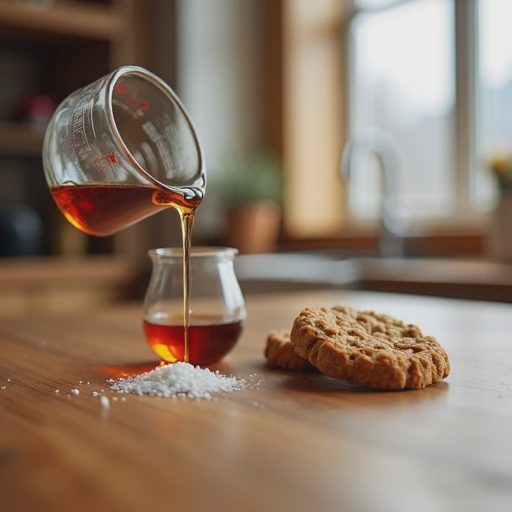
In Vermont, maple season is short, intense, and impossible to ignore. The taps go in when the nights are still freezing and the days climb just above it. For a few weeks the whole state smells faintly of wood smoke and boiling sap. Then the season ends, the bottles get filled, and the rest of the year we bake with what we put up.
I treat real maple syrup the way I treat peak-season berries: as an ingredient that already brings flavor, so the added sweetener can stay modest. It is not a free pass on blood sugar—maple is still primarily sugar—but it is a more interesting, more regional, and often more satisfying sugar than the white granulated kind.
What Maple Actually Contributes
Maple syrup is concentrated sap. The boiling process creates a range of flavor compounds you will never get from cane sugar or most alternative sweeteners: caramel, vanilla, subtle woodiness, sometimes a hint of coffee or chocolate in the darker grades. Those flavors let you use less total sweetness while still making a dessert taste complete.
It also brings moisture. When you replace part of the granulated sugar in a recipe with maple, you are adding liquid, so the rest of the formula needs a small adjustment or the batter becomes too wet.
From a baking-science standpoint, maple:
Helps with browning (sometimes faster than white sugar)
Adds tenderness through its water content
Contributes a distinct flavor that works especially well with oats, nuts, spice, chocolate, and fruit
Still raises blood glucose, though the presence of small amounts of minerals and the fact that people often use less of it can make the practical impact milder than an equal amount of refined sugar
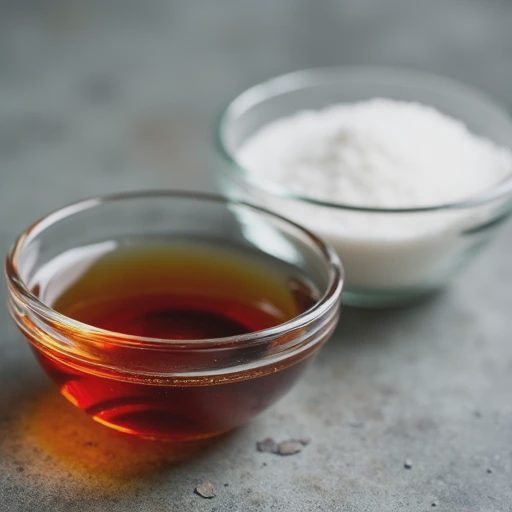
Choosing the Right Grade
Vermont bottles are labeled by color and taste:
Golden, delicate taste — lightest flavor. Best when you want maple in the background.
Amber, rich taste — the everyday workhorse. Clear maple flavor without overpowering.
Dark, robust taste — stronger, more caramelized. Excellent in gingerbread, spice cakes, and anything with chocolate or coffee.
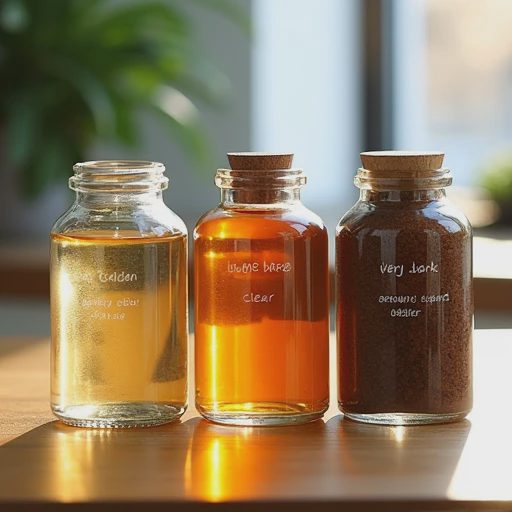
Very dark, strong taste — formerly called Grade B. Intense. Use when you want the maple to be the star.
I keep both amber and dark in the pantry. Golden is pleasant but disappears too easily in most baked goods.
How I Bake With It
The basic swap
To replace 1 cup of white or brown sugar, start with ¾ cup maple syrup and reduce other liquids in the recipe by about 3 tablespoons. If the recipe has no other liquid, add 1–2 extra tablespoons of flour or reduce the maple slightly.
Because maple is less sweet by volume than granulated sugar, taste the batter when it is safe to do so. Some recipes need a small boost from allulose or a monk fruit blend to keep the sweetness where people expect it.
Where maple shines
Oatmeal cookies and bars
Apple or pear cakes and crisps
Gingerbread and spice cakes
Granola and nut clusters
Glazes for bundt cakes or simple loaf cakes
Anything with pecans, walnuts, or chocolate
Where it is less ideal
Delicate vanilla or lemon cakes (the flavor competes)
Recipes that need a dry, sandy texture (shortbread, some cookies)
Situations where you want zero impact on blood glucose—maple will not give you that
A Few Practical Combinations I Use
I rarely use maple as the sole sweetener in a lower-sugar bake. More often it plays a supporting role:
½ cup allulose + ¼ cup maple for cookies or muffins that still need structure and browning
A maple-sweetened oat topping on a fruit crisp that itself contains very little added sugar
A thin maple glaze (maple + a little powdered monk fruit blend + splash of milk or cream) on an otherwise modestly sweetened cake
The maple supplies character; the allulose or monk fruit supplies bulk and extra sweetness without as much glycemic load.
Storage and Small Stewardship Notes
Real maple syrup keeps for years unopened in the pantry. Once opened, refrigerate it. If you ever see mold, skim it carefully or re-boil the syrup; the sugar content is high enough that it is usually salvageable.
I buy from small local producers when I can. The difference in flavor between a carefully made Vermont syrup and a generic supermarket bottle is real. When you are using less sweetener overall, that flavor difference matters more, not less.
Maple season is brief. The baking it inspires can last all year. Using the syrup thoughtfully—enough to taste it, not so much that it becomes the only story—lets you keep dessert in the rotation while still respecting what the rest of the recipe (and your own body) needs.
Less sugar. Same joy. In Vermont, that joy often tastes like maple.

Letters
No letters yet — be the first to write.