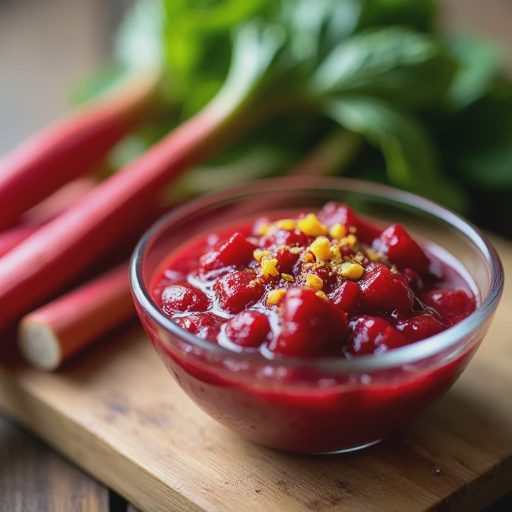
Rhubarb is the first serious fruit-like ingredient of the Vermont season, and it is one of the most useful plants in a lower-sugar kitchen. It is tart, highly aromatic when cooked, and naturally low in sugar. That combination means it can carry a dessert with far less added sweetener than most fruits require.
Many people treat rhubarb as something that must be buried under large amounts of sugar to become edible. That approach works, but it misses the point. The tartness is the feature. When you respect it instead of trying to erase it, rhubarb becomes a powerful tool for keeping desserts bright and balanced while the sugar stays modest.
Why Rhubarb Works So Well in Lower-Sugar Baking
Most sweet fruits already contain a fair amount of natural sugar. When you cook them down, that sugar concentrates. Rhubarb starts with very little. Its flavor is dominated by acid and aromatic compounds. As a result:
You control almost all of the sweetness.
The natural tartness keeps the dessert from tasting flat once the sugar is reduced.
It pairs cleanly with strawberries, apples, ginger, orange, and vanilla—ingredients that let you build complexity without relying on more sweetener.
It softens into a silky texture that feels luxurious even in simple preparations.
In practical terms, a rhubarb filling or compote often needs only half (or less) of the sugar that a comparable apple or stone-fruit version would require to taste balanced.
How I Use It Most
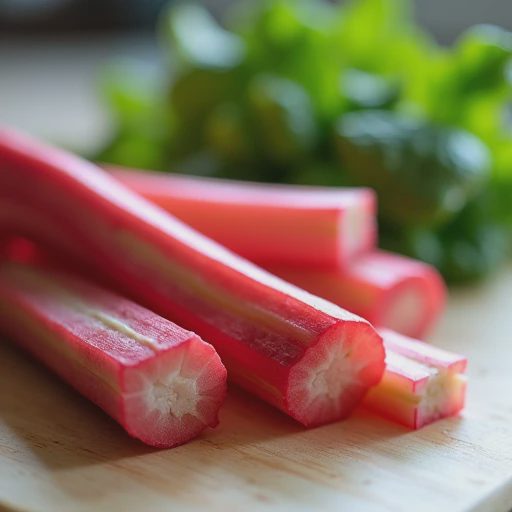
Roasted or stovetop rhubarb compote
Cut rhubarb into short lengths. Toss with a modest amount of allulose or a 1:1 monk fruit blend (start with 2–3 tablespoons per pound of rhubarb and adjust after cooking) and a little orange zest or vanilla. Roast or simmer until the pieces just hold their shape or fully collapse into a sauce, depending on what you want. The result is excellent over yogurt, alongside a lower-sugar cake, or as a swirl in cheesecake.
Rhubarb-strawberry combinations
The classic pairing still works when both ingredients are treated with restraint. Strawberries contribute natural sweetness; rhubarb contributes acidity and structure. Together they need less added sugar than either one managed the old way. This mix appears in crisps, galettes, and simple skillet desserts throughout early summer.
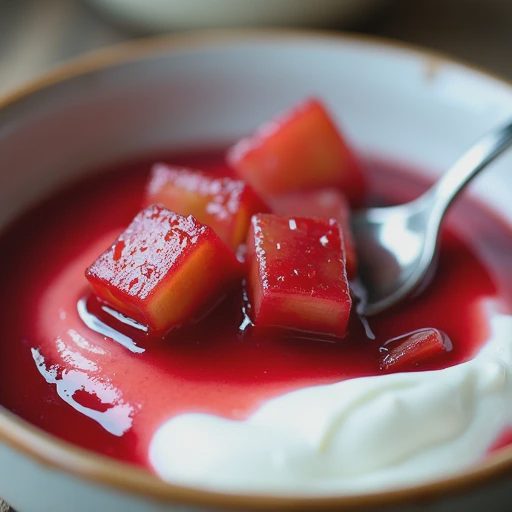
Rhubarb in cakes and muffins
Chopped rhubarb folded into a modestly sweetened batter adds pockets of tartness that make the whole bake taste more interesting. Because the fruit is so sharp, the surrounding crumb can stay lower in sugar without the dessert feeling dull.
Savory-leaning uses
A lightly sweetened rhubarb sauce with ginger or black pepper works beside roasted meats or on a cheese board. These preparations use even less sweetener and still feel deliberate.
Practical Notes from Repeated Batches
Taste as you go. Rhubarb’s tartness varies with variety and season. Early stalks are often more delicate; later ones can be sharper. Add sweetener gradually after the fruit has cooked down.
Do not over-sweeten early. It is easy to add more; it is impossible to remove. The goal is balance, not neutrality.
Watch the liquid. Rhubarb releases a lot of water. For pies and crisps, a small amount of starch (cornstarch, arrowroot, or flour) keeps the filling from being soupy. For compotes, you can simply cook off the excess.
Leaves are toxic. Only the stalks are edible. This is basic, but worth repeating.
It freezes well. Chopped raw rhubarb or finished compote both hold up in the freezer, giving you low-sugar options months after the season ends.
Why It Earns the “Hero” Label
In a lower-sugar dessert kitchen, ingredients that deliver strong flavor without bringing much sugar of their own are valuable. Rhubarb does exactly that. It lets you build desserts that taste bright and complete while the added sweetener stays restrained. It arrives early, when there is little else in the garden, and it works in both simple and slightly more elaborate preparations.
Many bakers reach for rhubarb only out of nostalgia or obligation. I reach for it because it solves a practical problem: how to keep dessert interesting when the sugar is no longer doing most of the work. Tart, aromatic, and flexible, it is one of the most quietly useful ingredients of the year.
Less sugar. Same joy. Sometimes the most helpful fruit is the one that is barely a fruit at all.
Letters
No letters yet — be the first to write.