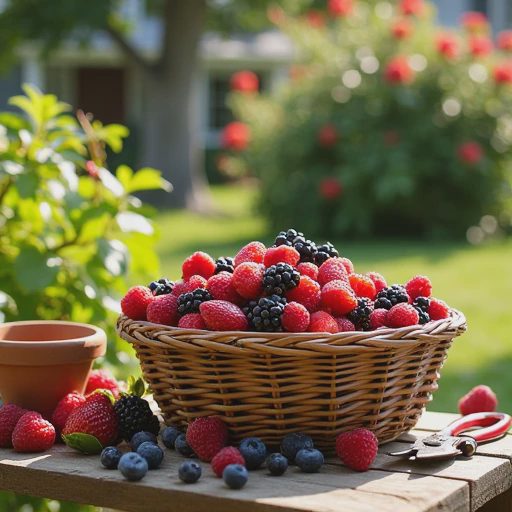
I did not start a berry patch because I wanted a charming garden feature. I started it because I got tired of paying peak-season prices for fruit that was only halfway ripe, and because the best low-sugar desserts begin with fruit that already tastes like something.
In Burlington the growing season is not long, but it is intense. A well-chosen berry patch can give you weeks of fruit that needs almost no help in the kitchen. When the berries are that good, the amount of added sweetener required drops noticeably. That is the real reason most of these plants earned their space.
What Actually Earns Its Keep
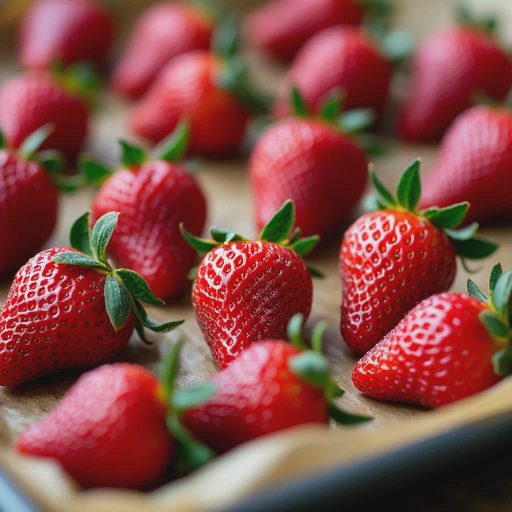
Strawberries (June-bearing and a few everbearing)
The first serious harvest of the year. June-bearing varieties give a concentrated flush that is perfect for roasting, shortcakes, and the freezer. I keep a small row of everbearing plants for scattered later fruit. Home-grown strawberries are sweeter and more fragrant than almost anything sold in plastic clamshells. That extra flavor is the difference between needing two tablespoons of sweetener and needing four.
Raspberries (summer and fall)
Summer raspberries arrive just as the strawberries finish. Fall-bearing varieties extend the season into September. They are fragile, which is exactly why growing your own matters—store-bought raspberries are often underripe or already breaking down. In the kitchen they need very little sugar. A simple warm sauce or a handful folded into lightly sweetened cream is often enough.
Blueberries
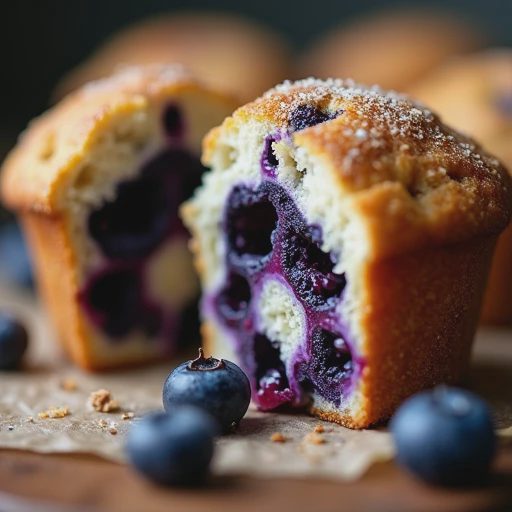
The most reliable long-term investment in the patch. Once established, bushes produce for years with relatively little drama. Blueberries hold their shape in baking, freeze beautifully, and have enough natural acidity and sweetness to work in muffins, crisps, and cakes with modest added sweetener. I treat them as a pantry staple that happens to grow on a bush.
Blackberries
Thorny, vigorous, and productive. The flavor is deeper and less delicate than raspberry, which makes them excellent for cooked applications—compotes, crisps, and swirls in cheesecake or ice cream. They tolerate a bit of neglect and still deliver. One or two well-managed plants are plenty for a household kitchen.
Currants and gooseberries (the quiet performers)
These are the plants most people skip and then regret. Red currants are tart and high in pectin, which makes them ideal for low-sugar sauces and for balancing sweeter fruit. Gooseberries (especially the sweeter dessert varieties) cook into excellent compotes and pair well with elderflower or vanilla. Both freeze well and give you options when the flashier berries are finished.
What I Stopped Growing (or Never Bothered With)
I do not grow fruit that requires constant spraying, heroic winter protection, or that produces more than we can reasonably use or preserve. I also avoid varieties bred only for shipping durability. Flavor and kitchen usefulness come first.
How the Patch Shapes the Baking
The biggest practical advantage is timing and ripeness. Fruit that is allowed to reach full ripeness on the plant simply tastes more like itself. When the fruit is already sweet and aromatic, I can reduce added sweetener without the dessert tasting hollow. This is noticeable in:
Roasted strawberry compote
Raspberry sauce for cheesecake or yogurt
Blueberry muffins and crisps
Mixed-berry crisps that rely on the fruit rather than a heavy sugar blanket
A secondary advantage is waste reduction. Berries that are slightly past peak for fresh eating still make excellent cooked sauces and freezer jam with minimal sugar.
A Few Practical Notes from the Dirt
Soil and sun matter more than variety lists. Most berries want full sun and well-drained soil with decent organic matter.
Netting is not optional once the birds discover the patch.
Succession matters. Planting only June strawberries leaves a long gap. Staggering types keeps fruit coming.
Preserve the surplus simply. Frozen whole berries, roasted purées, and lightly sweetened compotes do more work in a dessert kitchen than elaborate jams.
I still buy fruit. No backyard patch supplies everything, especially in a Vermont climate. But the berries I grow myself are the ones that need the least intervention in the kitchen. They arrive already close to the flavor I want, which makes lower-sugar baking feel less like restriction and more like working with better raw materials.
The patch is small. The return, measured in desserts that taste like the season, is large.
Less sugar. Same joy. Sometimes that joy starts in the dirt.

Letters
No letters yet — be the first to write.