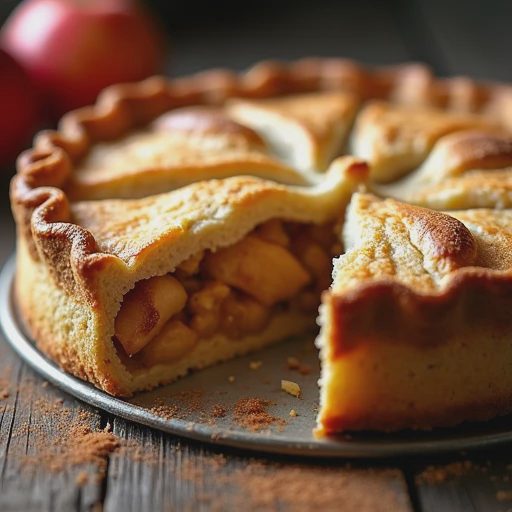
Apple pie is one of the easiest desserts to over-sweeten. Many recipes treat the fruit as a blank canvas that needs a heavy blanket of sugar to become dessert. When the apples are good, that approach does them a disservice. When you are trying to keep sugar in check, it is unnecessary.
This pie uses roughly half (or less) of the sugar found in a conventional recipe. It still tastes like apple pie—juicy, fragrant, with a proper thickened filling and a flaky crust. The apples do most of the work. The sweetener simply supports them.
Why Apple Pie Handles Less Sugar So Well
Apples already contain natural sugar and a good amount of water. As they bake they release juice, soften, and concentrate in flavor. If the fruit is ripe and aromatic, the filling needs far less added sweetness than most recipes claim. Acid (from the apples themselves or a little lemon) and a pinch of salt do as much as sugar to make the flavors taste complete.
The problems that appear when people simply slash the sugar are usually structural, not flavor-related: a watery filling, a pale or tough crust, or a bland overall impression. Those are solvable without returning to a full cup (or more) of sugar.
The Recipe
Yield: One 9-inch pie
Prep: 40 minutes (plus dough chilling)
Bake: 50–65 minutes
Pie Dough (makes enough for a double crust)
2½ cups (315 g) all-purpose flour
1 teaspoon salt
1 tablespoon allulose or 1:1 monk fruit blend (optional, for tenderness and light browning)
1 cup (225 g) cold unsalted butter, cut into cubes
6–8 tablespoons ice water
Mix flour, salt, and sweetener. Cut in the cold butter until most pieces are pea-sized. Add ice water gradually until the dough holds together when pressed. Divide in two, shape into disks, wrap, and chill at least 1 hour.
Filling
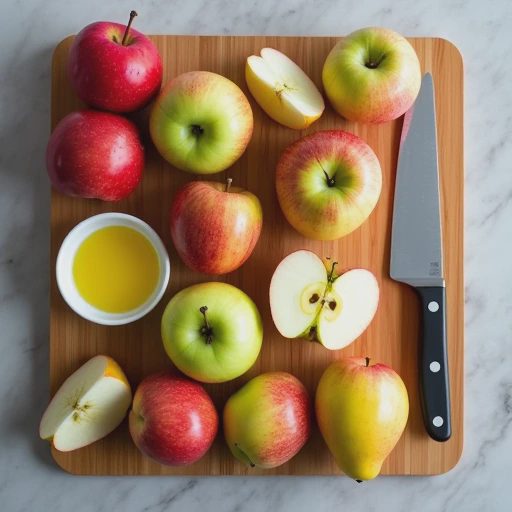
2½–3 pounds (about 1.1–1.4 kg) apples (a mix of firm-tart and firm-sweet works best: Granny Smith, Honeycrisp, Braeburn, Jonagold, or local equivalents)
⅓ cup (65–70 g) allulose
2–3 tablespoons 1:1 monk fruit blend or an extra tablespoon of allulose (taste a raw slice of apple and adjust)
1–2 tablespoons maple syrup or brown sugar (optional, for depth)
2 tablespoons all-purpose flour or 1½ tablespoons cornstarch/arrowroot
1 tablespoon lemon juice
1 teaspoon ground cinnamon
¼ teaspoon ground nutmeg
⅛ teaspoon ground allspice or ginger (optional)
Pinch of salt
1 tablespoon cold butter, cut into small pieces
Assembly and Baking
Heat oven to 425°F (220°C) with a rack in the lower third. Place a baking sheet on the rack to catch drips and help cook the bottom crust.
Peel, core, and slice the apples about ¼-inch thick. Toss immediately with lemon juice.
In a small bowl mix the allulose, monk fruit blend, optional maple or brown sugar, flour or starch, spices, and salt. Add to the apples and toss until evenly coated.
Roll out the bottom crust and fit it into a 9-inch pie plate. Scrape in the apple mixture, mounding it slightly in the center. Dot with the small pieces of butter.
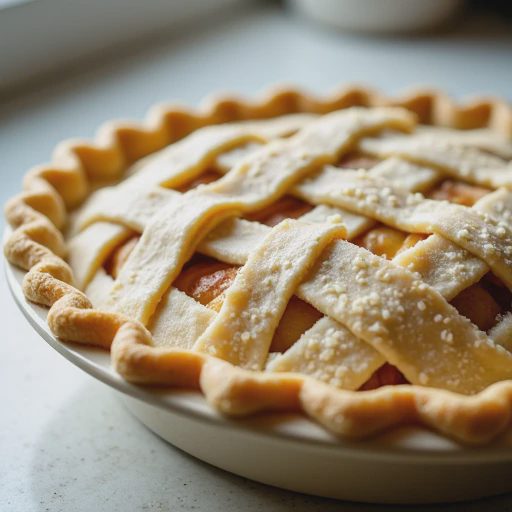
Roll out the top crust. Cover the pie, trim and crimp the edges, and cut several vents. For a less sweet, more classic look I often use a full top crust rather than a lattice; both work.
Optional but helpful: brush the top with a little milk or cream and sprinkle with a teaspoon of allulose or coarse sugar for color and crunch.
Bake at 425°F for 20 minutes. Reduce the heat to 375°F (190°C) and continue baking 30–45 minutes more, until the crust is deep golden and the filling is bubbling thickly through the vents. If the edges brown too fast, tent them with foil.
Cool at least 3–4 hours before slicing. The filling thickens as it cools.
Taste-Test Notes
Side-by-side with a traditional full-sugar apple pie:
The fruit flavor is clearer and more pronounced.
Sweetness is present but not the dominant note; it tastes like apples first.
Texture of the filling is juicy yet sliceable when properly cooled.
Most eaters do not describe it as “low sugar.” They describe it as good apple pie.
Using a mix of apple varieties matters more once the sugar is lower. A single tart variety can taste sharp; a single sweet variety can taste flat. The combination gives complexity that sugar used to paper over.
Practical Tips
Taste the apples. Very sweet apples need less added sweetener; very tart ones may need the full amount listed or an extra tablespoon.
Don’t skip the thickener. Lower-sugar fillings can release more liquid. Flour, cornstarch, or arrowroot keeps the pie from being soupy.
Let it cool. Cutting too early guarantees a runny slice regardless of sugar content.
Make it ahead. The pie is excellent the next day. Warm individual slices briefly if you prefer.
Crust options. An all-butter crust tastes best. If you want a slightly more tender result with less sugar in the dough, the small amount of allulose listed helps.
Store covered at room temperature for a day or in the refrigerator for up to four days. Reheat slices gently to restore the pastry’s texture.
This is apple pie that still feels like the classic version—just less reliant on sugar to do the heavy lifting. When the fruit is good, a fraction of the usual sugar is enough.
Less sugar. Same joy.

Letters
No letters yet — be the first to write.