There is a particular kind of cookie disappointment: a dark, impressive-looking round that tastes like sweetened cardboard. These triple chocolate cookies are designed to avoid it. They have cocoa in the dough, melted chocolate for depth, and chocolate chips for pockets of gooey texture. I have also reduced the sugar enough to make the flavor less one-dimensional without pretending the result is identical to a full-sugar bakery cookie.
The goal here is not to make dessert frightening or joyless. Sugar does matter in baking, but it is only one part of the cookie’s structure. It helps cookies spread, brown, retain moisture, and stay tender. Reduce it carelessly and you lose all four. Reduce it with a plan, then use brown sugar, vanilla, salt, and good chocolate to build flavor back in. Less sugar. Same joy.
Why these triple chocolate cookies work
Most chocolate cookies use cocoa powder as their only chocolate source. That gives color and a pleasantly bitter backbone, but it can also make the finished cookie taste dry or flat. This recipe adds three forms of chocolate: unsweetened cocoa powder, melted semisweet chocolate, and semisweet chocolate chips. Each one behaves differently in the dough.
Cocoa powder brings concentrated chocolate flavor without adding much fat. Melted chocolate contributes cocoa butter, which makes the center feel lush. Chips hold their shape and create little molten spots after baking. I use semisweet chocolate rather than milk chocolate because the dough already contains enough sweetness; a 60 to 65 percent bar gives a more grown-up flavor.
The recipe makes about eighteen medium cookies. They are soft in the middle on the first day, with slightly firmer edges after cooling. For the best texture, weigh the flour if you have a kitchen scale. If you use measuring cups, spoon flour into the cup and level it rather than scooping directly from the bag.

Ingredients and smart sugar swaps
You will need 6 tablespoons unsalted butter, 1/2 cup packed light brown sugar, 1/4 cup granulated sugar, 1 large egg, 2 teaspoons vanilla extract, 1 cup all-purpose flour, 1/2 cup unsweetened natural cocoa powder, 1/2 teaspoon baking soda, 1/2 teaspoon kosher salt, 4 ounces melted semisweet chocolate, and 3/4 cup semisweet chocolate chips.
The total sugar is lower than many comparable triple chocolate cookies, but I would not replace all of it with a liquid sweetener. Granulated sugar controls spread, while brown sugar adds moisture and a soft chew. A full swap with maple syrup or honey would change the dough’s water balance and could produce thin, sticky cookies.
If you want to reduce the sugar a little further, use 3 tablespoons granulated sugar instead of 1/4 cup and keep the brown sugar unchanged. That small adjustment is more reliable than removing half the sugar. The cookies will spread slightly less and taste more cocoa-forward. For a family batch, I prefer the original amount because children notice bitterness before adults do.
Choose a chocolate bar that you genuinely enjoy eating. Baking chocolate from Ghirardelli, Guittard, Baker’s, or a grocery-store house brand can all work. The expensive option is not automatically better, but waxy chips can leave a greasy aftertaste. Check the label and choose chocolate with cocoa or chocolate liquor near the beginning of the ingredient list.
How to make triple chocolate cookies
Melt the butter in a medium saucepan over low heat, then remove it from the burner. Whisk in the brown sugar and granulated sugar while the butter is warm. Let the mixture cool for five minutes so the egg does not scramble. Whisk in the egg and vanilla, followed by the melted semisweet chocolate.
In a separate bowl, stir together the flour, cocoa powder, baking soda, and salt. Add the dry mixture to the chocolate mixture and fold just until no pale streaks remain. Stir in the chocolate chips. The dough should be thick and glossy, not pourable. If your kitchen is warm or the butter was very hot, refrigerate the dough for 20 to 30 minutes.
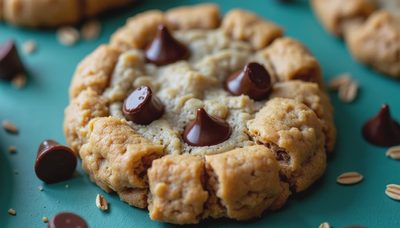
Scoop portions of about 2 tablespoons onto parchment-lined baking sheets, leaving at least 2 inches between them. Bake at 350 degrees F for 9 to 11 minutes. The edges should look set while the centers still appear slightly underdone. That visual cue matters. If you wait for the centers to look fully baked, the cookies will be firm after cooling.
Let the cookies sit on the baking sheet for 10 minutes before moving them to a rack. They finish setting from the residual heat. For a bakery-style finish, press a few extra chocolate chips into the tops while they are still warm and add a tiny pinch of flaky salt.
The science behind a soft chocolate center
Butter temperature changes the cookie more than many people expect. Warm melted butter encourages spreading, but chilling gives flour time to hydrate and helps the cookies hold a thicker shape. The brown sugar also attracts water, which is why it contributes a chewy center rather than a crisp snap.
Cocoa powder absorbs moisture, so the dough needs enough fat and liquid to keep the result tender. This is also why I would not simply add extra cocoa to make the cookies “more chocolatey.” One additional tablespoon can make the dough crumbly unless you balance it with butter or egg. The melted chocolate supplies richness without requiring a large increase in flour.
Baking time is your final texture control. Nine minutes gives a fudgier center; eleven minutes gives a more structured cookie that travels well in a lunchbox. Let the first tray cool completely before deciding whether to change the timing. A hot cookie always seems softer than it will be 30 minutes later.

How to serve and store them
These triple chocolate cookies are excellent with coffee, cold milk, or vanilla ice cream, but they do not need a dramatic topping. Their flavor is already concentrated. For a party, make smaller 1-tablespoon portions and bake for 8 to 9 minutes. You will get around thirty-six cookies, which is more practical for a classroom or neighborhood gathering.
Store cooled cookies in an airtight container at room temperature for up to four days. Add a small piece of bread to the container if you like a softer texture, replacing it when it becomes stale. You can also freeze baked cookies for about two months. Thaw them at room temperature, then warm one in the microwave for 8 to 10 seconds.
To freeze the dough, scoop it onto a tray and freeze until firm. Transfer the portions to a labeled freezer bag. Bake from frozen at 350 degrees F, adding roughly 2 minutes to the baking time. Do not thaw the entire batch just to bake two cookies; the dough is wonderfully convenient for an after-dinner treat.
A practical taste test before serving
When I test triple chocolate cookies, I sample one warm, one fully cooled, and one the next day. The warm cookie tells me whether the center is fudgy. The cooled cookie reveals the balance of salt, cocoa, and sweetness. The next-day cookie shows whether the reduced sugar has left the texture dry.
If the cookies taste bitter, first check your cocoa powder and chocolate percentage before adding more sugar. A pinch of salt or an extra 1/2 teaspoon of vanilla can round out harshness. If they are dry, the likely causes are too much flour, overbaking, or packing cocoa powder into the measuring cup. If they spread too far, chill the dough longer and confirm that your baking soda was fresh.
These triple chocolate cookies are proof that a lower-sugar dessert can still feel like a real dessert. They are dark, chewy, deeply chocolatey, and satisfying enough for a celebration. Serve them proudly, explain the swap only if someone asks, and save a few for tomorrow.



Letters
No letters yet — be the first to write.