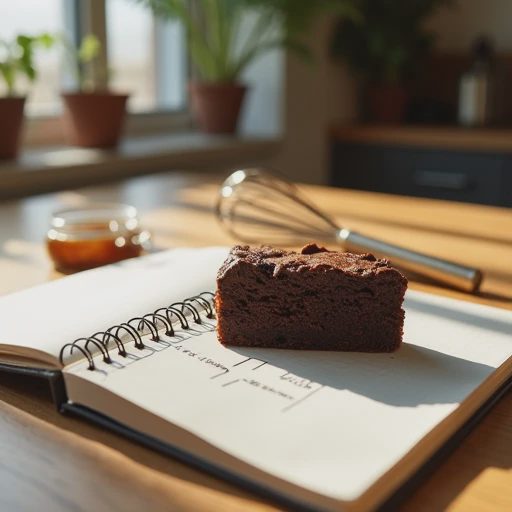
I have been the person who shows up to every potluck, birthday, and Tuesday-night dinner with a cake for twenty years. For the last eight of those years, I have been quietly rewriting every one of those recipes so they use less sugar—without turning the dessert into something people politely push around their plates.
I am a registered dietitian. I also took professional pastry courses because I refuse to serve cardboard and call it progress. That combination is why this blog exists.
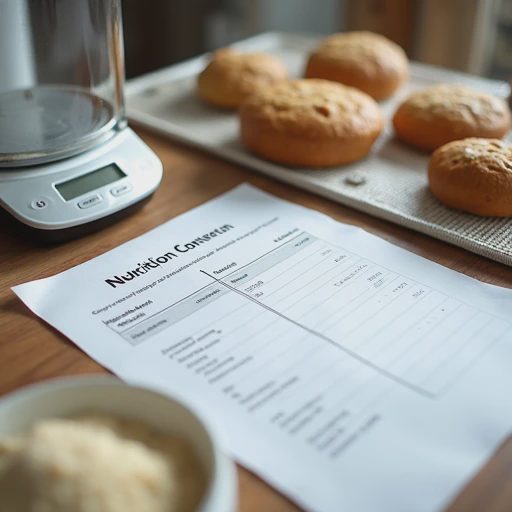
Most of the “healthy dessert” advice I see falls into one of two camps. The first camp treats sugar like a moral failing and tells you to cut it in half (or eliminate it) with zero regard for what sugar actually does in a bake: tenderize, brown, hold moisture, and create structure. The second camp delivers gorgeous-looking recipes that still spike blood sugar or leave you with a dry, sad crumb because the science was never considered. I live in the narrow middle where real pastry technique and clear nutrition science meet.
Dessert is not the enemy. The enemy is the all-or-nothing thinking that makes people either binge on the full-sugar version or settle for something that tastes like a compromise. Neither option is sustainable, and neither option is necessary.
Here is what I believe after years of testing substitutions in my own kitchen, with two very honest taste-testers (Sadie, 7, and Micah, 4) and a husband who will tell me the truth:
You can lower the sugar significantly and still produce a dessert people ask for seconds of.
Exact ratios matter more than vague instructions like “sweetener, to taste.”
Understanding why sugar behaves the way it does lets you choose the right substitute for the job instead of guessing.
Celebrations do not have to come with a crash. Neither does a random Tuesday.
This site is built around that belief. You will find the practical swaps (exact amounts that actually work), the plain-English science behind texture and browning and glycemic response, the recipes that taste like the real thing, and the seasonal Vermont fruit and maple that make lower-sugar baking easier and more delicious.
I will not fear-monger. I will not claim a reduced-sugar cake tastes “exactly identical” when it does not. I will give you honest results, the ratios that survived my family’s scrutiny, and the reasons behind every choice so you can adapt them to your own kitchen and your own health goals.
Less sugar. Same joy.
That is the entire point.
If you have ever left a “healthy” dessert recipe disappointed, or if you simply want to keep dessert in your life without the constant second-guessing, you are in the right place. We start here—by refusing to treat dessert as the enemy—and we move forward with better tools.

Welcome. Let’s bake something worth eating.


Letters
No letters yet — be the first to write.