The right cream cheese can make or break a Basque cheesecake. When you are choosing cream cheese for basque cheesecake, you are not simply picking a flavor; you are choosing the fat, moisture, salt, and structure that determine whether the center turns silky or watery. This rustic cake is forgiving about cracks and dark edges, but it is not forgiving about a loose batter made from the wrong product.
I have baked this cheesecake with supermarket blocks, whipped tubs, reduced-fat varieties, and European-style options. My dependable choice is full-fat brick cream cheese, softened before mixing. It gives the cake enough body to hold a custardy center while still baking into the famously jiggly texture. Less sugar. Same joy. The goal is not to make a diet dessert that tastes like a compromise; it is to use better technique and a measured amount of sweetness.
Why brick cream cheese works best
Brick cream cheese usually contains less added air and fewer stabilizing ingredients than spreadable tub varieties. That difference matters because Basque cheesecake begins with a very wet batter. Tub cream cheese is convenient on a bagel, but it can contain extra water, gums, or whipped air. Those additions can make your cake bake unevenly and leave the middle softer than intended.
For cream cheese for basque cheesecake, check the package for full-fat cream cheese sold in an eight-ounce brick. Philadelphia Original is a common, reliable option, and store-brand full-fat bricks can work well when the ingredient list is similarly simple. Avoid cream cheese spread, whipped cream cheese, and flavored versions. Neufchâtel or reduced-fat cream cheese can produce a lighter batter, but the texture is less rich and the extra moisture makes timing harder.
Use the quantity specified by your recipe rather than swapping by volume. Eight ounces by weight is not always the same as one cup, especially with soft or whipped products. If you are buying several packages, unwrap them and let them soften on the counter for about 45 to 60 minutes. Soft cream cheese blends smoothly without forcing you to overmix.

How fat and moisture change the bake
Fat contributes richness and helps create the smooth, almost pudding-like interior associated with Basque cheesecake. It also carries flavor, which is why a full-fat cake can taste satisfying with less sugar than a low-fat version. Water, on the other hand, must evaporate during baking. Too much moisture can delay setting, encourage a sunken center, and make slicing difficult even after a long chill.
That is why cream cheese for basque cheesecake should be measured after removing it from the wrapper and brought to room temperature. Cold chunks stay lumpy, and many bakers respond by beating longer. Excessive mixing incorporates air, which can make the cake puff dramatically and then collapse. Mix just until each ingredient disappears.
Eggs also bring water and structure. Add them one at a time, scraping the bowl after each addition. Heavy cream loosens the batter and contributes fat, but it should not be added casually to compensate for dry cheese. If your batter looks grainy, warm the bowl slightly with your hands and keep mixing gently rather than adding liquid.
Choosing a brand at the grocery store
When I shop for cream cheese for basque cheesecake, I look for three things: a brick format, full-fat labeling, and a short ingredient list. Philadelphia Original is easy to find and has a familiar tang. Store brands often cost less, sometimes around $1.50 to $3 per package, and can perform just as well in a baked dessert. Compare the nutrition panel and weight rather than assuming the most expensive package is superior.
European-style cream cheese can be excellent when it is firm and full-fat, but products vary widely. Some are cultured and tangier; others are designed as spreads. A cultured option gives the cake a pleasantly sharp finish that balances the caramelized top, though it can taste more savory. If you are serving children or guests who prefer a gentle cheesecake flavor, a standard American brick is the safer choice.
Do not use mascarpone as a one-for-one replacement without changing the recipe. Mascarpone is richer and less tangy, so the finished cake can taste heavy and need more acid for balance. Goat cheese creates an interesting dessert, but it belongs in a deliberate flavor variation, not an accidental substitution.
Lower-sugar adjustments that still taste like dessert
Basque cheesecake needs some sugar for sweetness, browning, and a softer texture. Cutting the amount in half without another plan can make the cake taste flat and firm. I usually begin by reducing granulated sugar by 20 to 25 percent, then add vanilla and a small pinch of salt to sharpen the dairy flavor. For example, if a recipe uses 200 grams of sugar, try 150 to 160 grams before making a more aggressive change.
A granulated allulose blend can lower the sugar load while preserving moisture, but it often browns faster and may leave a slightly cool finish. Use the product’s conversion instructions rather than assuming it behaves exactly like table sugar. Erythritol-heavy blends can taste more noticeably minty or gritty after refrigeration, especially in a dense cheesecake.
With cream cheese for basque cheesecake, I prefer a modest sugar reduction over a dramatic substitution. Serve thin slices with berries, espresso, or unsweetened whipped cream. The contrast makes a less-sweet cake feel complete, and nobody needs a frosting layer to hide the flavor.

A reliable mixing and baking method
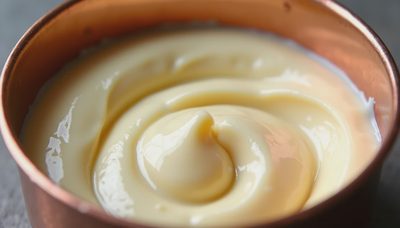
Start with room-temperature brick cream cheese, sugar, and salt. Beat on medium-low speed until smooth, stopping to scrape the bowl. Add eggs individually, followed by vanilla. Pour in heavy cream slowly, then mix in flour if your recipe includes it. A small amount of flour helps stabilize the custard, but it should not turn the cake cakey.
Line a nine-inch springform pan with two overlapping sheets of parchment, leaving the paper several inches above the rim. The high sides catch the expanding batter and create the wrinkled edges that define the dessert. Pour the batter through a fine strainer if you see stubborn lumps.
Bake at a high temperature, commonly 400 to 425 degrees Fahrenheit, until the top is deeply mahogany brown while the center still wobbles when the pan moves. A dark top is not a mistake here. If the surface browns before the center is ready, lower the oven rack or tent the cake loosely with foil near the end. Cool it completely, then refrigerate for at least four hours before cutting.
Troubleshooting your finished cheesecake
If the cake is watery, the likely causes are excess moisture, underbaking, or a spreadable product used in place of a brick. Next time, choose cream cheese for basque cheesecake in a firm full-fat block, weigh it accurately, and bake until the center jiggles as one piece rather than rippling like liquid.
If the cake is dense and cracked across the top, the batter may have been overmixed or the ingredients were too cold. Cracks along the rustic surface are normal, but a rubbery texture usually points to too much baking time or too many air bubbles. If the top is pale, your oven may be running cool, or the pan may be positioned too far from the upper heat source.
For the cleanest slices, use a thin knife warmed in hot water and wiped dry between cuts. Serve the first slice cold for the firmest texture, or let individual slices sit for 15 minutes if you prefer a softer, creamier center. Once you understand the ingredients, this dramatic dessert becomes remarkably manageable: choose a solid brick, reduce sugar thoughtfully, and let the caramelized top do the talking.
Letters
No letters yet — be the first to write.