If you have ever wondered how do you make a cheesecake filling without ending up with a grainy, runny, or overly sweet dessert, the answer is mostly about temperature, ratios, and mixing gently. A classic filling needs cream cheese, sugar, eggs, and flavoring, but each ingredient has a job. Get those jobs right and you can make a smooth cheesecake with less sugar and plenty of richness. Less sugar. Same joy.
The basic cheesecake filling formula
To understand how do you make a cheesecake filling, start with a dependable ratio. For one 9-inch cheesecake, use 24 ounces of full-fat brick-style cream cheese, 3/4 cup granulated sugar, three large eggs, 1/2 cup sour cream, 2 teaspoons vanilla extract, and 1 tablespoon lemon juice. Add 1 tablespoon all-purpose flour or cornstarch if you want a slightly firmer slice, especially for a cheesecake that will travel.
Let the cream cheese, eggs, and sour cream sit at room temperature for about 30 minutes. Cold cream cheese stays lumpy, and beating it aggressively to smooth it out adds air. Extra air expands in the oven and can cause cracks. When I explain how do you make a cheesecake filling to new bakers, this is the first detail I emphasize: room-temperature ingredients are more useful than a high-speed mixer.
Use brick cream cheese rather than whipped cream cheese or spreadable tub cream cheese. The latter contain more water and can make the filling loose. If you are shopping at a regular grocery store, Philadelphia is a reliable choice, while store brands can work when their ingredient list and firmness are similar.
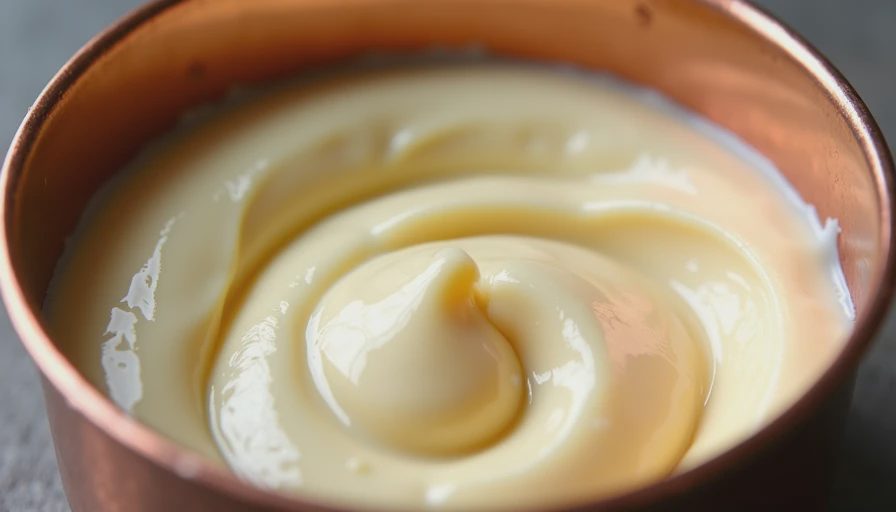
How do you make a cheesecake filling with less sugar?
Sugar does more than make cheesecake sweet. It softens the protein network created by eggs and cream cheese, adds moisture, and helps produce a tender texture. That is why simply cutting the sugar from 3/4 cup to 1/4 cup can leave a cheesecake dense, sharp-tasting, and less creamy.
For a balanced lower-sugar filling, use 1/2 cup sugar plus 2 tablespoons pure maple syrup for the full recipe. The maple syrup contributes sweetness and moisture, while the smaller amount of granulated sugar still gives the filling structure. The result is not identical to a standard bakery cheesecake, but it tastes pleasantly creamy rather than aggressively sweet. This is my favorite answer to how do you make a cheesecake filling for a family dessert where berries or fruit sauce will provide extra sweetness.
You can also use a cup-for-cup granulated baking sweetener containing allulose or erythritol. Read the package directions because sweetness varies by product. Allulose usually gives a softer, more caramel-like finish, while erythritol can create a cooling sensation or slight graininess after refrigeration. I would not replace every gram of sugar with liquid stevia; it sweetens, but it does not provide sugar's bulk or texture.
Mixing the filling without lumps or cracks
Begin by beating the softened cream cheese alone on low to medium-low speed until smooth, usually one to two minutes. Scrape the bowl and paddle often. Add the sugar gradually, then mix in the sour cream, vanilla, and lemon juice. Add the eggs one at a time, mixing just until the yellow disappears after each addition.
If you are learning how do you make a cheesecake filling, resist the urge to whip the mixture until fluffy. A smooth filling should look glossy and thick, not mousse-like. Pour it through a fine-mesh strainer if you see small cream cheese lumps. Straining takes a minute and is easier than trying to repair a baked cheesecake.
For a baked cheesecake, pour the filling over a cooled crust and tap the pan lightly on the counter to release large air bubbles. Bake at 325°F until the edges look set but the center still trembles slightly when nudged. The center will continue cooking as the cheesecake cools. Baking until the entire surface is firm is a common route to a dry texture and deep cracks.
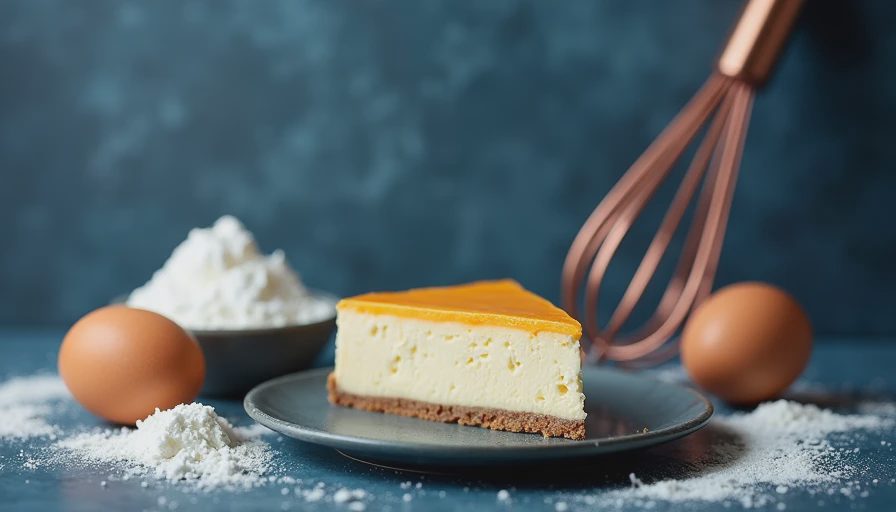
Baked versus no-bake cheesecake filling
The best answer to how do you make a cheesecake filling depends on the dessert you want. A baked filling uses eggs to set the mixture and has a dense, custard-like texture. It needs gradual cooling, then at least four hours in the refrigerator before slicing. Overnight chilling gives the cleanest cuts.
A no-bake filling does not use eggs. Beat 16 ounces softened cream cheese with 1/3 cup powdered sugar, 1 teaspoon vanilla, and 1 tablespoon lemon juice. Fold in 1 1/2 cups softly whipped heavy cream, then spread the mixture into a prepared crust. Chill it for at least six hours. For a firmer no-bake version, dissolve 1 teaspoon unflavored gelatin in 2 tablespoons cold water, let it bloom, warm it briefly, and blend it into the filling before folding in the whipped cream.
No-bake cheesecake is lighter and easier for a hot summer gathering, but it will not have the same custardy finish as a baked cheesecake. That difference is worth expecting rather than trying to disguise it.
Flavor ideas that work with a lower-sugar filling
Once you know how do you make a cheesecake filling, flavor changes are simple. Add 1 teaspoon finely grated lemon zest for a bright filling, or stir in 2 tablespoons espresso cooled to room temperature for a mocha version. For pumpkin cheesecake, use 3/4 cup pumpkin puree, 1 teaspoon cinnamon, 1/2 teaspoon ginger, and a pinch each of nutmeg and salt. Reduce the sour cream to 1/4 cup so the puree does not make the batter too loose.
Fresh berries are especially useful when reducing sugar. A cup of sliced strawberries, blueberries, or raspberries adds color, acidity, and natural sweetness without changing the filling's basic structure. Avoid stirring watery fruit directly into the batter unless you cook it down first. Instead, spoon a thick fruit compote over each slice.
For chocolate, use 4 ounces melted and cooled semisweet chocolate and reduce the cream cheese mixture's lemon juice to 1 teaspoon. Chocolate brings its own bitterness, so a completely sugar-free filling can taste flat. A modest amount of sugar usually creates a better dessert than a dramatic sweetener swap.
Troubleshooting the finished cheesecake
A lumpy filling usually means the cream cheese was too cold. A runny filling can result from tub-style cream cheese, extra liquid flavorings, or under-chilling. If the cheesecake cracks, it was probably overmixed, overbaked, or cooled too quickly. None of these problems makes it unsafe to eat; cover the top with berries, yogurt, or a thin layer of sour cream.
If you are still asking how do you make a cheesecake filling that slices neatly, focus on three habits: weigh the cream cheese, stop mixing after the eggs are incorporated, and chill the finished cheesecake completely. A knife dipped in hot water and wiped dry will produce cleaner slices than a cold knife.
For a dessert with a little less sugar, serve smaller slices with raspberries and plain Greek yogurt. The creamy filling remains the star, but the plate feels abundant. That is how do you make a cheesecake filling worth repeating: use sound pastry science, make one thoughtful sweetness adjustment, and let the dessert taste like dessert.


Letters
No letters yet — be the first to write.