If you have ever opened a box of assorted chocolates and wondered what is a chocolate truffle, the short answer is this: it is a small confection traditionally made from chocolate ganache, then shaped and coated. Ganache is a smooth mixture of chocolate and warm cream. Once it cools, it becomes firm enough to scoop, roll, and finish with cocoa powder, melted chocolate, chopped nuts, or other decorations.
The name creates a little confusion because there are two completely different things called truffles. A culinary truffle is a rare underground fungus related to mushrooms. A chocolate truffle gets its name because the rustic, cocoa-dusted candy resembles that wrinkled, earthy fungus. Fortunately, the dessert version is much easier to find at a grocery store and considerably more pleasant with coffee.
What Is a Chocolate Truffle Made Of?
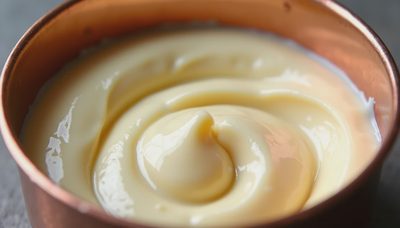
A classic chocolate truffle needs only a few ingredients: chocolate, heavy cream, and sometimes butter, vanilla, salt, or a small amount of liqueur. The chocolate provides cocoa solids and cocoa butter. The cream contributes water and milk fat. When the warm cream meets finely chopped chocolate, heat melts the chocolate while gentle stirring creates an emulsion, meaning fat and water become a stable, glossy mixture.
The ratio controls the final texture. A firm dark chocolate truffle often uses roughly two parts chocolate to one part cream by weight. A softer milk chocolate version usually needs more chocolate because milk chocolate contains more sugar and milk solids and less cocoa mass. White chocolate is softer still, so its ganache generally requires a higher chocolate-to-cream ratio or a longer chilling time.
Good technique matters as much as the ingredient list. Chop chocolate into small, even pieces, heat the cream until steaming rather than violently boiling, and pour it over the chocolate. Let the bowl sit for two minutes before stirring from the center outward. This gradual motion encourages a smooth emulsion instead of a greasy or grainy filling.
What Is a Chocolate Truffle Supposed to Taste Like?
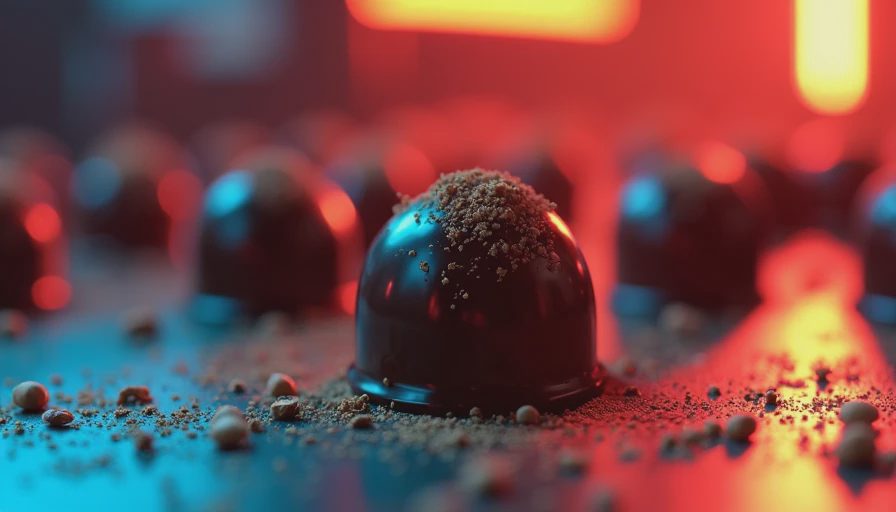
A well-made chocolate truffle should taste intensely chocolatey without being merely sweet. The texture is usually the star: cool and firm when you bite through the coating, then soft, dense, and creamy as the center warms in your mouth. A pinch of salt can sharpen the cocoa flavor, while espresso powder makes dark chocolate taste deeper without making the candy taste like coffee.
The choice of chocolate changes the experience dramatically. Dark chocolate with 60 to 72 percent cacao creates a bittersweet truffle with a clean finish. Semisweet chocolate is friendlier for children and for people who find very dark cocoa harsh. Milk chocolate gives a caramel-like sweetness and a softer center. Unsweetened baking chocolate is not a direct substitute in a standard recipe because it lacks the sugar and texture that balance its bitterness.
Flavorings should support the chocolate rather than bury it. Orange zest, peppermint extract, toasted coconut, raspberry puree, bourbon, and finely ground coffee all work well in small amounts. Start with a quarter teaspoon of extract for about eight ounces of chocolate; too much can make the filling taste medicinal.
How Truffles Differ From Other Chocolate Candies
A chocolate truffle has a soft ganache center, but not every round chocolate candy qualifies as a truffle. A molded chocolate bonbon may contain caramel, fruit jelly, praline, or a crisp wafer. A chocolate-covered cream may use a fondant center made mostly from sugar. A brigadeiro, the Brazilian sweet, is made by cooking condensed milk with cocoa or chocolate until thick, then rolling it into balls.
The coating also provides clues. Traditional truffles are often rolled in unsweetened cocoa powder, which gives them a matte, rustic appearance. Modern versions may be dipped in tempered chocolate for a crisp shell. Tempering controls the formation of cocoa butter crystals, producing chocolate that snaps cleanly, looks shiny, and resists melting quickly at room temperature.
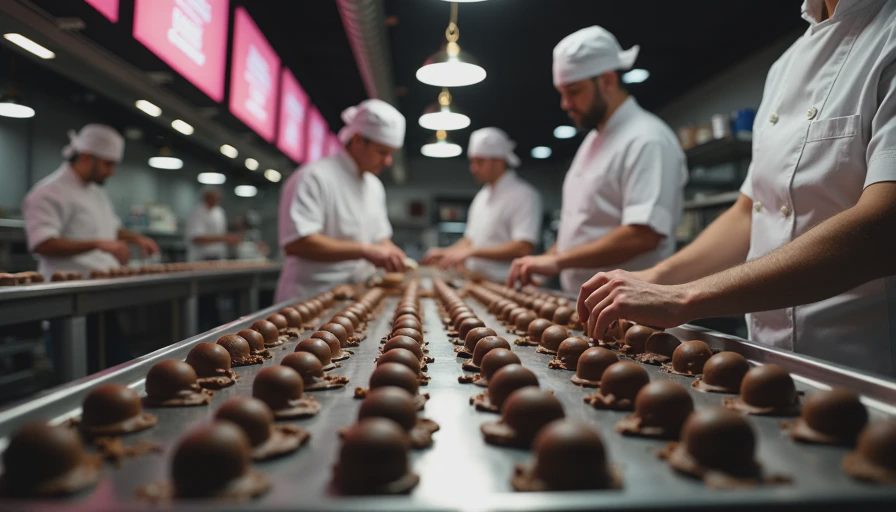
That contrast between a crisp shell and creamy center is one reason handmade truffles feel more special than ordinary chocolate candy. It also explains why storage matters. Warm kitchens soften ganache, while excessive refrigeration can cause condensation and dull the coating.
Can You Make Lower-Sugar Chocolate Truffles?
Yes, but sugar has a structural role, so simply removing half the sugar from a truffle recipe is not always the best approach. In a ganache, much of the sweetness comes from the chocolate itself. Choosing a darker chocolate can reduce sweetness immediately, although it also increases bitterness. A 65 percent dark chocolate is a practical starting point for a family-friendly lower-sugar batch.
For a smoother result, use a chocolate formulated for melting rather than a waxy coating product. You can add a small amount of powdered allulose or a monk fruit and erythritol blend, but measure carefully. Granulated sweeteners can leave a gritty texture, and some sugar alcohols create a cooling sensation. I prefer using less sweet chocolate, a pinch of salt, and a flavor such as orange zest before reaching for a large amount of alternative sweetener.
A useful starting formula is eight ounces of dark chocolate, four ounces of heavy cream, one tablespoon of unsalted butter, and a quarter teaspoon of salt. This makes approximately 18 to 24 small truffles, depending on portion size. The result will not taste identical to a very sweet milk chocolate confection, but it can be rich, balanced, and satisfying. Less sugar. Same joy.
How to Make Chocolate Truffles at Home
Begin by finely chopping the chocolate and placing it in a heatproof bowl. Warm the cream and butter in a small saucepan until the mixture is steaming. Pour it over the chocolate, wait two minutes, then stir slowly until no streaks remain. Add salt and any flavoring only after the ganache is smooth.
Cover the bowl and refrigerate it for about two hours, or until the mixture is firm but scoopable. Use a teaspoon or small cookie scoop to portion the ganache. Roll each piece quickly between cool palms. If the mixture becomes sticky, chill it again for 10 to 15 minutes rather than adding extra cocoa powder, which can make the center dry.
Finish the pieces in cocoa powder, finely chopped toasted nuts, shredded coconut, or tempered chocolate. Store them in an airtight container in the refrigerator for up to two weeks. Let them sit at room temperature for 15 to 20 minutes before serving so the center regains its creamy texture.
Common Truffle Problems and Simple Fixes
If the ganache looks oily, the emulsion probably broke. Try stirring in one teaspoon of warm cream, or blend the mixture briefly with an immersion blender. If the center is too soft, melt it gently and add more finely chopped chocolate, using about one ounce at a time. If it is too firm, work in a teaspoon of warm cream or softened butter.
Graininess can come from overheated chocolate, undissolved sweetener, or water entering the bowl. Keep utensils dry and use low, gentle heat. A dull coating is not necessarily a failure; cocoa powder naturally looks matte. For a glossy shell, tempering is the more dependable method, although a simple dip in melted chocolate still tastes delicious.
Understanding what is a chocolate truffle makes troubleshooting easier because every ingredient has a job. Chocolate supplies structure, cream creates softness, fat improves mouthfeel, and careful temperature control keeps the mixture smooth.
Whether you choose a classic dark ganache, a bright orange version, or a lower-sugar batch, the best truffle is one you actually want to eat. Start with quality chocolate, weigh the ingredients, and make small pieces. The technique is simple enough for a weeknight project and polished enough for a holiday box, which is exactly the kind of dessert I love teaching: thoughtful, practical, and full of chocolate flavor.

Letters
No letters yet — be the first to write.