This light sponge cake recipe makes the kind of dessert I want with afternoon coffee: airy, gently sweet, springy in the center, and sturdy enough for berries or a spoonful of yogurt. It uses less sugar than many classic sponge cakes, but not so little that the crumb turns dry or the cake refuses to rise. Sugar is not only there for sweetness. It helps hold moisture, encourages browning, and keeps beaten eggs from becoming fragile, so the amount matters.
The recipe serves eight to ten people and works in an 8-inch round cake pan. I use a small amount of granulated sugar plus vanilla and lemon zest for a fuller flavor. If you are baking for someone watching carbohydrate intake, remember that flour still contributes carbohydrate, and this cake is not automatically suitable for every diabetes meal plan. A smaller slice served with fruit is a practical way to enjoy it.
Ingredients that make the cake light
You will need four large eggs, separated while cold; one-half cup granulated sugar, divided; three-quarters cup cake flour; one teaspoon baking powder; one-quarter teaspoon fine salt; one teaspoon vanilla extract; and the finely grated zest of one lemon. You will also need two tablespoons of neutral oil, such as avocado, canola, or grapeseed oil.
Cake flour gives the crumb a delicate feel because it contains less protein than most all-purpose flour. If all-purpose flour is what you have, measure three-quarters cup, remove one tablespoon, and replace it with one tablespoon of cornstarch. Sift the flour, cornstarch, baking powder, and salt together before they meet the eggs. This disperses the leavener and prevents flour pockets.
The oil is a small but useful choice. A traditional fat-free sponge can be impressively airy, but it can also feel dry by the next morning. Two tablespoons add tenderness without making the batter heavy. I tested this light sponge cake recipe with melted butter as well; it tasted richer, but the butter firmed as it cooled and made the slice slightly less plush.
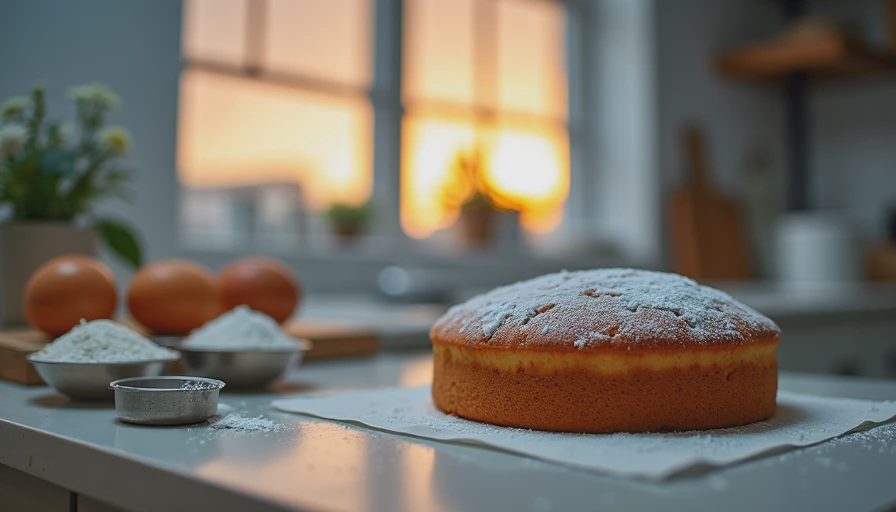
How to make a light sponge cake recipe
Heat the oven to 350 F. Line the bottom of an 8-inch round pan with parchment, then lightly grease the parchment and sides. Do not grease so heavily that the batter loses its grip while climbing the pan.
Whip the egg whites in a clean, dry bowl until foamy. Add one-quarter cup of the sugar slowly, one tablespoon at a time, and continue beating until the whites hold glossy medium-stiff peaks. When you lift the whisk, the peak should stand with just a slight bend. Dry, clumpy whites are difficult to fold and can leave the cake coarse.
In a separate bowl, beat the yolks with the remaining one-quarter cup sugar, vanilla, lemon zest, and oil for two to three minutes. The mixture should look lighter and a little thickened. Fold one-third of the whites into the yolk mixture to loosen it. Then add the sifted dry ingredients in two additions, alternating with the remaining whites. Fold with a wide spatula, scraping from the bottom and rotating the bowl. Stop as soon as no obvious streaks remain.
Pour the batter into the prepared pan and smooth the top gently. Bake for 24 to 29 minutes, until the top springs back when pressed lightly and a wooden pick comes out with a few moist crumbs. Avoid opening the oven during the first 20 minutes. A sudden temperature change can collapse the delicate foam.
Cool the cake in its pan for 10 minutes, then run a thin knife around the edge and turn it onto a rack. Peel away the parchment and cool completely before slicing. This light sponge cake recipe is forgiving once cooled, but cutting it hot compresses the center and makes the crumb seem gummy.
The baking science behind the airy crumb
Eggs provide the structure. When you whip the whites, air bubbles become trapped in a network of proteins. The oven expands those bubbles, while the flour starches set around them. That is why folding technique matters more than vigorous stirring at the end.
Sugar stabilizes the foam by slowing the tightening of egg proteins. It also attracts water, which helps the finished cake stay soft. Reducing it too aggressively can produce a pale, dry, eggy cake even if the texture looks tall. In this light sponge cake recipe, half a cup gives enough sweetness and moisture without making the dessert taste like frosting.
The lemon zest does more than add a bright aroma. It makes a lower-sugar cake taste more complete because acidity and citrus oils give your palate another point of interest. A pinch of salt performs a similar job. Neither ingredient makes the cake sugar-free, but both help you enjoy a smaller amount.
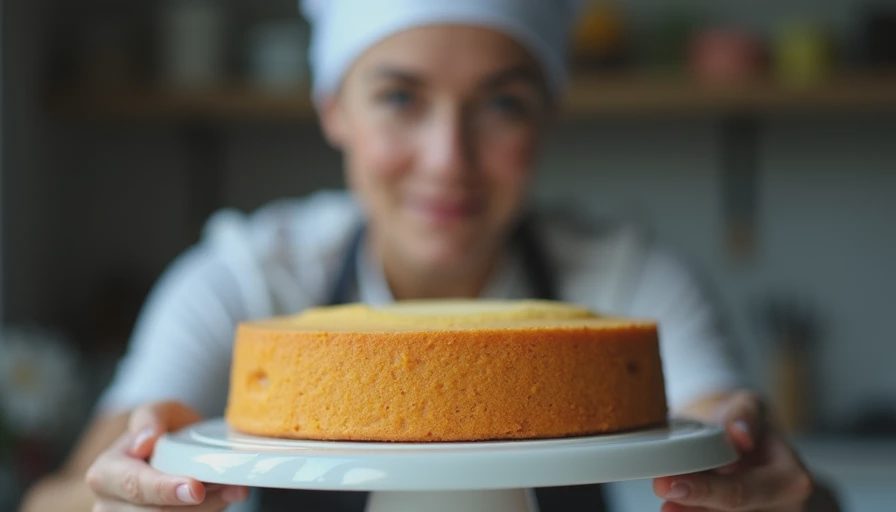
Easy ways to serve it
For the simplest finish, dust each slice with a little powdered sugar and add strawberries, blueberries, or sliced peaches. In summer, I like two tablespoons of plain Greek yogurt mixed with vanilla and a teaspoon of maple syrup. The tangy yogurt makes the cake feel like a plated dessert without requiring buttercream.
You can also split the cooled cake horizontally and spread it with mashed berries mixed with chia seeds. Use the filling sparingly; wet layers can soften the crumb overnight. For a birthday, cover the top with whipped cream and fruit rather than a thick layer of frosting. The result is festive, lighter, and still recognizable as cake.
If you want chocolate flavor, replace two tablespoons of flour with two tablespoons of unsweetened cocoa powder. Sift thoroughly because cocoa clumps easily. The chocolate version tastes less sweet, so orange zest or a few raspberries balance it well.
Troubleshooting and storage
A sunken center usually means the batter was over-folded, the oven door opened too early, or the cake was underbaked. A dense cake often comes from deflated whites or flour that was packed into the measuring cup. Spoon flour into the cup and level it, or use a scale and weigh about 90 grams of cake flour.
Store the completely cooled cake in an airtight container at room temperature for up to two days. If your kitchen is warm, refrigerate it, but wrap it well because refrigerator air dries sponge cake. Bring slices to room temperature before serving. You can freeze the unfrosted cake for up to one month, wrapped in plastic and then foil. Thaw it while still wrapped so condensation stays on the wrapping instead of the crumb.
This light sponge cake recipe also works in a 9-inch pan, but the cake will be shorter and may finish several minutes earlier. Start checking at 21 minutes. A loaf pan is less reliable because the deeper batter takes longer to set in the center.
My final baking notes
Measure every ingredient before you start, especially the separated eggs. Keep the mixing bowl free of grease, fold patiently, and trust the spring-back test instead of adding extra baking time “just in case.” The finished cake should feel light but not hollow, with a moist, tender crumb and a clean lemon-vanilla finish.
If you want less sugar, do not simply remove another quarter cup. That changes the cake’s structure as well as its sweetness. Instead, serve a modest slice with fruit, yogurt, or coffee and let the flavor do more work. This light sponge cake recipe is proof that a dessert can be thoughtfully sweetened without becoming an apology. Less sugar. Same joy.


Letters
No letters yet — be the first to write.