A spoonful of creme patissiere should be smooth, softly sweet, and rich enough to make a plain berry tart feel like a celebration. This classic French pastry cream is one of the most useful recipes in a baker's kitchen, but it is also easy to make too sweet, too thick, or lumpy. My version of creme patissiere keeps the traditional technique while using less sugar and clear measurements that work in an American home kitchen.
As a registered dietitian and longtime home baker, I do not recommend simply cutting sugar in half and hoping for the best. Sugar affects sweetness, texture, browning, and the way the yolks set. The goal is a filling that tastes like real pastry cream, not a compromise that leaves you reaching for whipped cream to hide it.
What creme patissiere is and why the technique matters
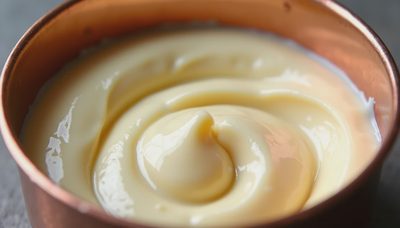
Creme patissiere, often called pastry cream, is a cooked custard made from milk, egg yolks, sugar, cornstarch, and vanilla. The starch thickens the milk and protects the eggs from scrambling when the mixture is heated. Egg yolks add color, richness, and a round texture that cornstarch alone cannot provide.
The order of the steps matters. First, whisk the yolks, sugar, and cornstarch until smooth. Then slowly add hot milk while whisking constantly. This tempers the eggs, meaning it raises their temperature gradually instead of shocking them in a hot pan. Once everything returns to the saucepan, the cream must reach a real simmer so the cornstarch fully thickens.
If you stop heating as soon as the custard looks thick, it can loosen later in the refrigerator. A proper creme patissiere becomes glossy and makes slow, thick bubbles for about one minute after it reaches a simmer.
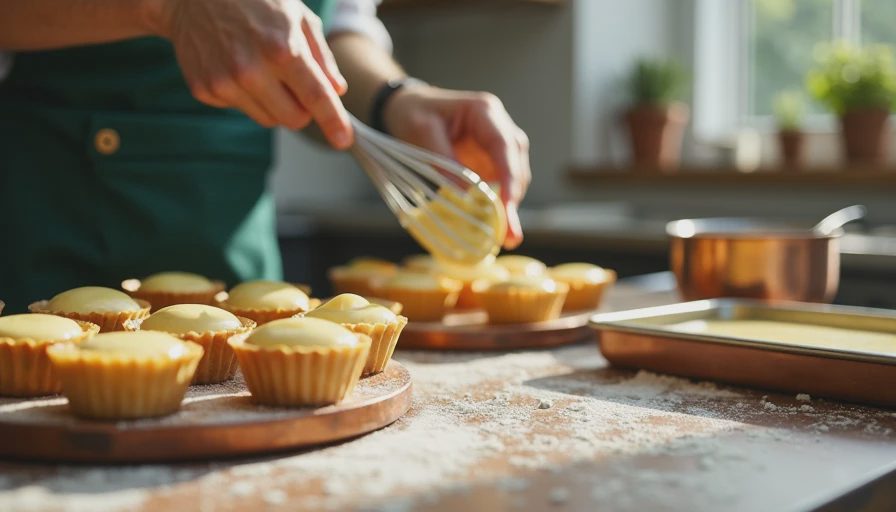
Ingredients for a less-sweet pastry cream
For about 2 cups, use 2 cups whole milk, 4 large egg yolks, 1/3 cup granulated sugar, 1/4 cup cornstarch, 2 tablespoons unsalted butter, 2 teaspoons vanilla extract, and 1/4 teaspoon kosher salt. This amount of sugar is enough to balance the milk and yolks without making the filling taste like frosting.
Whole milk gives the best balance of creaminess and structure. You can use 2% milk, but the finished cream will be slightly less plush. I do not recommend almond or oat milk without adjusting the recipe because their protein, starch, and fat content vary widely. Some brands thicken beautifully, while others produce a loose filling.
For a deeper flavor, replace the vanilla extract with one teaspoon of vanilla bean paste. A strip of lemon zest steeped in the milk is excellent with berries, while a small pinch of cinnamon works well in apple pastries. These additions create more perceived sweetness without adding more sugar.
How to make creme patissiere without lumps
Warm the milk in a medium saucepan until steaming but not boiling. While it heats, whisk the egg yolks and sugar in a bowl until the mixture becomes slightly lighter. Whisk in the cornstarch and salt until no dry pockets remain.
Pour about one-third of the hot milk into the yolk mixture in a thin stream, whisking continuously. Add the tempered mixture back to the saucepan. Cook over medium heat, whisking across the bottom and into the corners. At first it will look thin, then suddenly thicken. Keep whisking for about one minute after the first slow bubbles appear.
Remove the pan from the heat and whisk in the butter and vanilla. Pour the creme patissiere through a fine-mesh strainer into a shallow container. Press plastic wrap directly onto the surface to prevent a skin, then refrigerate until cold, at least two hours.
A shallow container cools the custard faster than a deep bowl. That matters for both texture and food safety. Do not leave the finished cream at room temperature for several hours while you prepare the rest of a dessert.
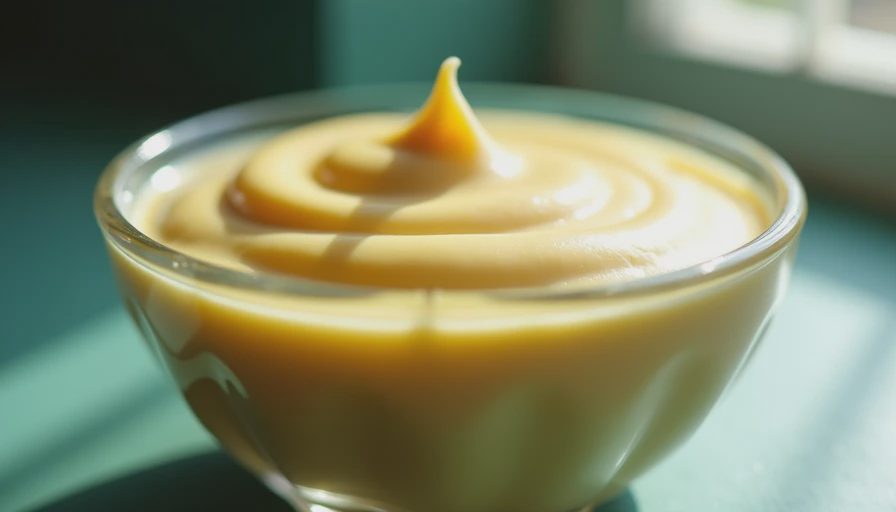
How to reduce sugar without ruining the texture
The traditional range for pastry cream can be quite sweet, especially when the filling is paired with sweet puff pastry, sponge cake, or jam. In this recipe, reducing the sugar to 1/3 cup keeps the custard pleasantly sweet but leaves room for fruit and pastry flavors.
I would not reduce it below 1/4 cup without changing the formula. Sugar helps keep the custard tender and moderates the firming effect of egg and cornstarch. A sharply reduced version can taste eggy and set more firmly, almost like a starch pudding. If you want extra sweetness, add two tablespoons of confectioners' sugar after the chilled cream has been whisked smooth. That is easier to control than changing the cooking ratio.
Sugar substitutes require more care. Allulose can make a softer filling and may brown slightly, while erythritol can leave a cooling sensation and a gritty texture after refrigeration. For family desserts, I prefer using a moderate amount of regular sugar and letting vanilla, citrus zest, or fresh fruit do more of the flavor work. Less sugar. Same joy.
Ways to use creme patissiere
Use creme patissiere to fill eclairs, cream puffs, fruit tarts, mille-feuille, and layer cakes. It is also wonderful spooned into baked tart shells with raspberries or sliced peaches. For a quick weekend dessert, split a vanilla cupcake, add a tablespoon of chilled filling, and top it with strawberries.
To make a lighter cream for spreading between cake layers, whisk the cold pastry cream until smooth, then fold in softly whipped cream. Use about 1 cup creme patissiere with 1 cup whipped cream for a cloudlike filling. This mixture is less dense than the original and works especially well with a simple yellow cake.
Do not fill crisp pastries too far ahead. Moisture migrates from the custard into the pastry, turning an elegant shell soft. Fill eclairs a few hours before serving, and assemble fruit tarts on the same day whenever possible.
Troubleshooting and storage
Lumps usually mean the eggs heated too quickly or the cream was not whisked into the corners of the pan. Strain the hot mixture immediately; a sieve can rescue many small lumps. If the cream tastes starchy, it needed another minute of simmering. If it is too thick when cold, whisk in milk one tablespoon at a time until smooth.
Store creme patissiere in a covered container in the refrigerator and use it within three days. Stir it vigorously before piping because chilled custard firms as it rests. Never freeze it if you need a perfectly smooth texture; thawing often makes the custard watery or grainy.
Once you understand the role of each ingredient, this recipe becomes dependable rather than mysterious. Start with the measured ratio, cook it fully, cool it quickly, and taste the finished dessert with its pastry and fruit. That is how creme patissiere becomes a practical lower-sugar staple instead of a one-time baking experiment.

Letters
No letters yet — be the first to write.