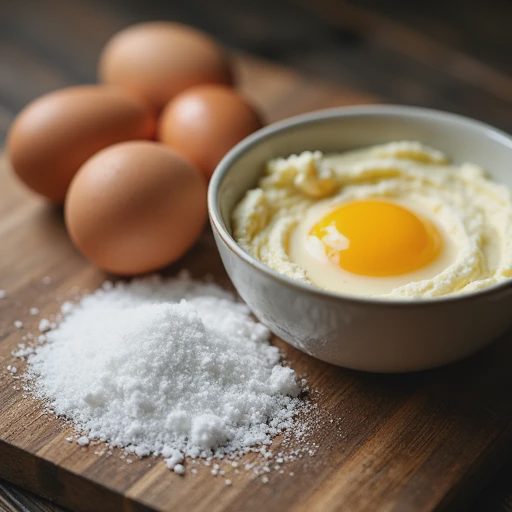
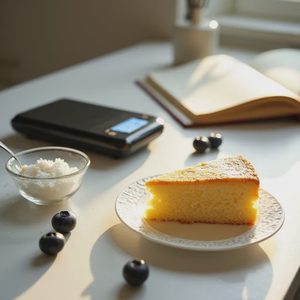
A tender crumb is not an accident. It is the result of three ingredients working together—and sometimes against each other—in the short time between mixing and baking. Fat, eggs, and sugar each influence how much gluten forms, how starch sets, how air is trapped, and how moist the final cake or cookie feels. When you lower the sugar, you change the balance. Understanding the chemistry lets you correct for it instead of accepting a drier, tougher result.
The Three Players
Sugar
Sugar is more than sweetness. In a batter it competes with flour for water. By binding water, it limits gluten development and slows starch gelatinization. The result is a softer, more tender crumb that stays moist longer. Sugar crystals also help create tiny air pockets during creaming, which contribute to volume and a fine texture. When you remove a large amount of sugar, two things happen immediately: more gluten can form, and the starch sets more firmly. Both push the crumb toward toughness and dryness.
Fat (butter, oil, or other)
Fat coats flour proteins and physically interferes with gluten formation. It also shortens the strands that do form—hence the term “shortening.” In cakes, fat helps trap air (especially when creamed with sugar) and keeps the crumb soft by disrupting the continuous protein-starch network. In lower-sugar baking, fat becomes even more important. With less sugar available to tenderize and hold moisture, the coating and shortening effects of fat do more of the work. This is why many successful reduced-sugar recipes slightly increase the fat or are careful not to reduce it.
Eggs
Eggs contribute structure, emulsification, moisture, and richness. The whites provide protein that sets during baking and helps hold the crumb together. The yolks supply fat, emulsifiers (lecithin), and richness that improve mouthfeel. In a full-sugar cake the structure from eggs is balanced by the tenderizing effect of sugar. When sugar drops, that balance shifts. The same amount of egg can suddenly make the crumb feel firmer or more rubbery unless other adjustments are made. Extra yolks (without the whites) are often useful in lower-sugar recipes because they add fat and emulsification without as much additional structure.
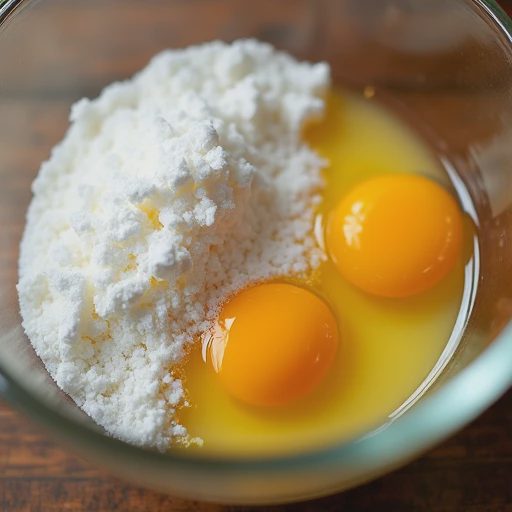
How the Balance Shifts When Sugar Is Reduced
In a conventional cake the three ingredients reach a workable equilibrium. Sugar keeps gluten in check and holds moisture. Fat further tenderizes and carries flavor. Eggs provide enough structure so the cake does not collapse, while their fat and emulsifiers keep the texture pleasant.
Remove a significant portion of the sugar and the equilibrium breaks:
Gluten forms more readily → tougher crumb
Starch gelatinizes more completely → firmer, sometimes drier texture
Less water is bound → faster staling
Creaming produces less aeration if the sugar crystals are missing → denser result
The cake is not simply less sweet. It is structurally different.
Practical Corrections That Restore Tenderness
These adjustments are the ones I reach for most often when adapting recipes:
Protect moisture and tenderness with the right sugar replacement. Allulose does a better job than most alternatives at holding water and limiting toughness. Using it for the bulk of the sugar reduction preserves more of the original texture than simply using less sugar or relying only on high-intensity extracts.
Lean on fat. A modest increase in butter or oil (or the addition of an extra egg yolk) can replace some of the tenderizing work that sugar used to do. The crumb stays softer and the mouthfeel remains satisfying.
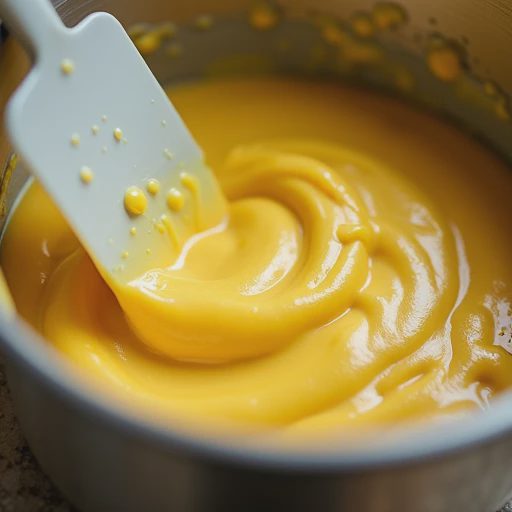
Adjust eggs deliberately. Sometimes an extra yolk improves richness and emulsification. Sometimes reducing the total egg white slightly prevents the structure from becoming too firm. The exact change depends on the recipe, but treating eggs as adjustable rather than fixed is useful.
Watch mixing time and method. With less sugar present, it is easier to over-develop gluten. Mix only until the ingredients are combined. In creaming methods, accept that the mixture may not look as light and fluffy as a full-sugar version; that is normal when the crystal structure of sugar is reduced.
Consider a small amount of starch or alternative flour. Replacing a tablespoon or two of all-purpose flour with cornstarch, or using a portion of cake flour, can further limit gluten strength and keep the crumb fine.
Why This Matters Beyond Cake
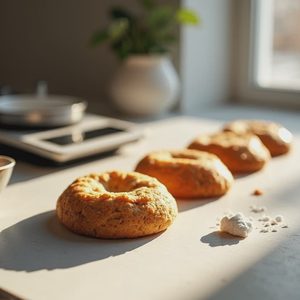
The same principles apply to muffins, quick breads, and many cookies. Anywhere a tender interior is the goal, sugar, fat, and eggs are in conversation. Lower the sugar without acknowledging the conversation, and the texture suffers. Adjust fat and eggs to compensate, and the texture can remain very close to what people expect.
A tender crumb is one of the main reasons a lower-sugar dessert still feels like dessert instead of a project. The chemistry is not complicated once you see what each ingredient contributes. Sugar softens and moistens. Fat shortens and enriches. Eggs structure and emulsify. When one changes, the others must respond.
Less sugar. Same joy. The crumb is where that promise is kept or broken.

Letters
No letters yet — be the first to write.