If you bake lower-sugar desserts for health reasons—or simply because you feel better when you do—the word “glycemic” shows up everywhere. Glycemic index, glycemic load, blood-sugar spikes, “diabetic-friendly.” The language can feel technical and a little alarming. It does not have to be.
Here is the plain-English version I use with patients and with my own family.
What “Glycemic” Actually Means
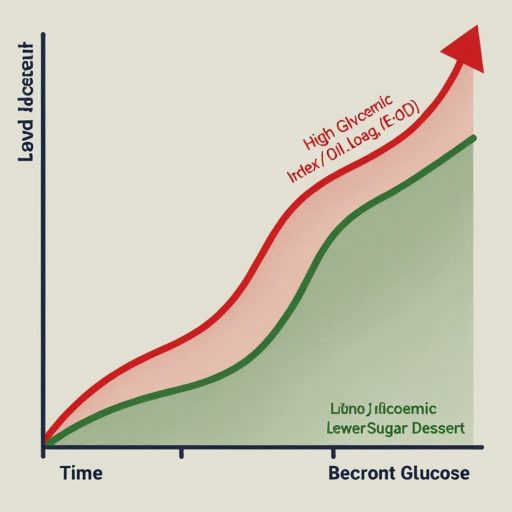
When you eat carbohydrate, your body breaks it down into glucose (blood sugar). The glycemic response is simply how high and how fast that blood sugar rises afterward.
Two measurements get used most often:
Glycemic Index (GI) ranks how quickly a food raises blood sugar compared with pure glucose (GI of 100). A high number means a faster, higher rise. A lower number means a slower, gentler rise.
Glycemic Load (GL) takes both the GI and the amount of carbohydrate in a typical serving into account. It is often the more useful number in real life because portion size matters.
A food can have a high GI but a low glycemic load if you only eat a small amount of it. Conversely, a large serving of a moderate-GI food can still produce a sizable response.
Why Sugar Hits Differently Than Other Carbohydrates
Table sugar (sucrose) is half glucose and half fructose. The glucose portion raises blood sugar relatively quickly. Many baked goods combine that sugar with refined flour, which is also rapidly digested. The combination is why a conventional piece of cake or a handful of cookies can produce a noticeable rise and then a crash for some people.
Not every sweetener behaves the same way:
Allulose is absorbed but not meaningfully metabolized for energy. It has essentially no effect on blood glucose or insulin for most people.
Monk fruit (the sweet mogrosides) does not raise blood sugar.
Erythritol is largely excreted unchanged and has negligible glycemic impact.
Maple syrup, honey, and dates still contain real sugars (primarily sucrose or glucose/fructose), so they do raise blood glucose—though they often come with a bit more flavor, minerals, or fiber that can modestly slow the response compared with pure white sugar.
Regular sugar and most refined flours remain the fastest actors in the typical dessert.
This is why simply swapping white sugar for maple syrup does not automatically create a low-glycemic dessert. You have reduced one variable, but the total available carbohydrate and the rest of the recipe still matter.
What Actually Changes the Response in a Dessert
From a practical baking standpoint, these factors make a bigger difference than any single sweetener choice:
Total amount of rapidly digestible carbohydrate Lowering sugar helps. Replacing some refined flour with almond flour, oat flour, or other higher-fiber options helps further.
Fiber, fat, and protein in the same bite These slow stomach emptying and the rate at which glucose enters the bloodstream. A cheesecake with plenty of fat and protein behaves differently from an equally sweet angel-food cake. Cookies eaten with a handful of nuts produce a gentler curve than cookies eaten alone.
Portion size Even a lower-sugar dessert can raise blood sugar if the slice is enormous. This is obvious, yet it is the variable people ignore most often.

Ripeness and form of fruit Very ripe bananas or dates are higher glycemic than firmer fruit. Puréed fruit raises blood sugar faster than whole fruit with intact fiber.
Individual variation Sleep, stress, recent exercise, medications, and the rest of the meal all influence the response. Two people can eat the same cookie and see different numbers on a glucose monitor.
How I Use This Information When I Bake
I do not chase zero-glycemic desserts. I aim for desserts that are enjoyable in normal portions and produce a noticeably gentler response than their full-sugar counterparts.
That usually looks like:
Meaningful reduction in added sugar (often 40–60 % less) using allulose or monk fruit blends as the primary sweeteners.
Keeping some real flavor elements (a little maple, brown sugar, or fruit) so the dessert still tastes satisfying.
Building in fat, protein, or fiber where it makes sense for the recipe.
Paying attention to portion size rather than pretending any dessert is free of consequence.
For people who monitor glucose closely, the same dessert can be tested at home. Real data from your own body is more useful than any general chart.
What I Avoid
I avoid fear-based language. Sugar is not poison. It is a concentrated source of rapidly available carbohydrate. For many people, reducing the amount and pairing it with better overall meal patterns is enough. For others (those with diabetes or significant insulin resistance), more careful attention is warranted. Both groups deserve recipes that still taste like dessert.
Understanding the basics lets you make clearer choices without turning every bake into a medical calculation. You can lower the sugar, protect the texture and flavor, and still enjoy what you make.
Less sugar. Same joy. The science simply helps you get there more predictably.




Letters
No letters yet — be the first to write.