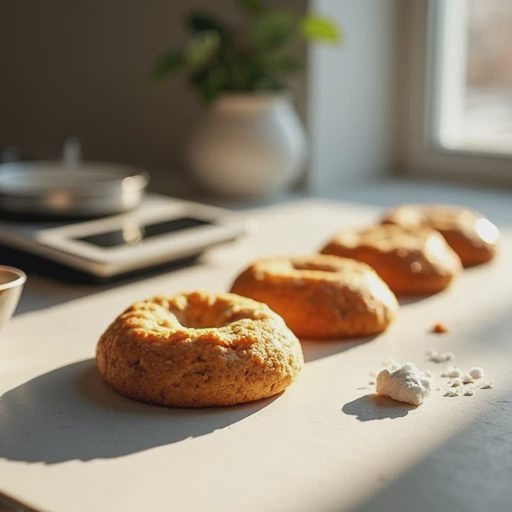
Most people think of sugar as the thing that makes dessert taste sweet. That is only one of its jobs—and not even the most important one if you care about how a cake or cookie actually turns out.
When I first started lowering sugar in my recipes, I treated it like a simple subtraction problem: less sugar = fewer calories and a gentler blood-sugar curve. The early results were educational and frequently disappointing. Pale cookies that refused to spread. Dry cakes that crumbled by the next morning. Brownies that tasted fine the day they were baked and turned into chalk the day after. The sweetness was lower, but the structure had collapsed.
Sugar is a multifunctional ingredient. Remove a large amount of it and you are removing three critical functions at once. Understanding those functions is the difference between a low-sugar dessert that still feels like dessert and one that feels like a compromise.
1. Texture and Tenderness
Sugar is hygroscopic—it attracts and holds water. In a batter or dough it competes with flour for that water. The result is less gluten development and a more tender crumb. Sugar also interferes with starch gelatinization, which keeps the finished bake softer.
When you cut sugar sharply without replacing that moisture-holding capacity, two things happen:
More gluten forms → tougher, more bread-like texture
Starch sets more firmly → drier, crumblier result that stales faster
This is why “just cut the sugar in half” so often produces something that tastes fine for about six hours and then turns sad. Allulose is unusually good at mimicking this moisture-holding behavior. Most erythritol-based blends are not. That single difference explains a lot of the texture gap between different low-sugar recipes.
2. Browning and Flavor Development
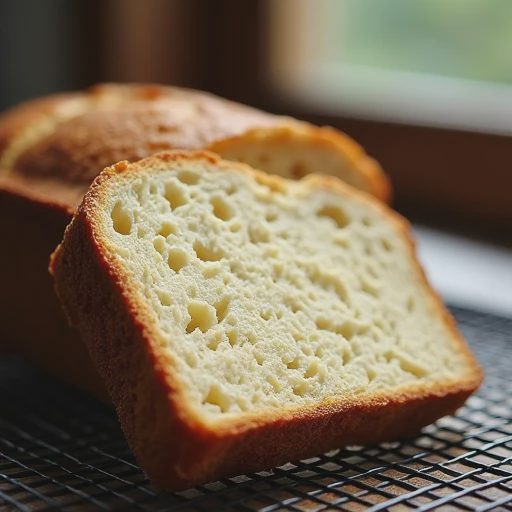
The golden color and toasty, caramelized notes we associate with a good cookie or the top of a cake come largely from two reactions: caramelization and the Maillard reaction.
Sucrose (table sugar) participates in both, though it needs to break down first. Many alternative sweeteners do not. Erythritol barely browns. Pure monk fruit extract contributes almost nothing to color. Allulose, by contrast, is a reducing sugar and browns readily—sometimes even faster than sucrose. That is why cookies made with a high percentage of allulose can look properly golden while the same recipe made with an erythritol blend stays pale.
Browning is not just cosmetic. Those reactions create hundreds of flavor compounds. A low-sugar bake that never browns often tastes flat, even if the sweetness level is acceptable. This is one reason I almost always keep a small amount of real brown sugar or maple in recipes where depth of flavor matters. Completely eliminating the browning sugars removes more than sweetness.
3. Structure, Spread, and Moisture Retention Over Time
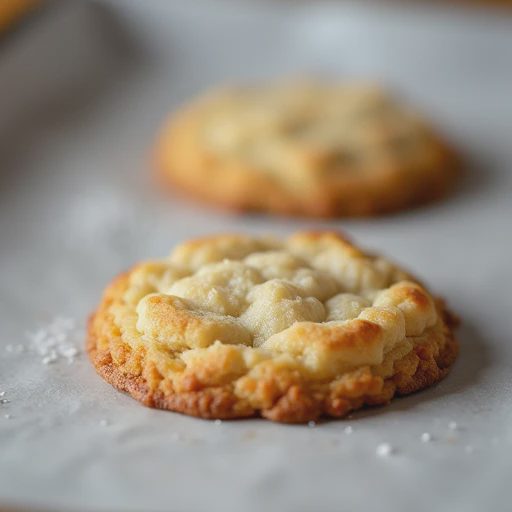
In cookies, sugar helps the dough spread by melting and thinning the mixture as it heats. Less sugar (or a sweetener that doesn’t melt the same way) means less spread and a thicker, cakier result unless you adjust fat, temperature, or chilling time.
In cakes and muffins, sugar helps create a fine, even crumb by stabilizing air bubbles during creaming and by controlling how the starch and proteins set. It also keeps the finished product moist for days because it binds water so tightly that it is less available for staling reactions.
When people tell me their low-sugar cake was perfect the day it was baked but dry the next, this is usually the missing piece. The sweetener they used did not hold water the way sugar does. Allulose again performs closer to sugar here than most alternatives. Date paste and maple syrup can help with moisture, but they change flavor and require liquid adjustments.
What This Means for Real Baking
You cannot treat sugar as only a source of sweetness if you want results people will actually want to eat again. Every meaningful reduction forces a choice:
Replace the bulk and moisture-holding capacity (allulose is currently the best single option for this).
Accept some loss of browning and compensate with a small amount of real sugar, maple, or longer bake time at a slightly lower temperature.
Adjust fat, egg, or liquid ratios to restore tenderness.
Or deliberately accept a different texture and be honest about it.
This is why the master ratios in the previous post exist, and why the chocolate chip cookie recipe that followed them keeps a modest amount of brown sugar alongside the allulose. The goal is not zero sugar at any cost. The goal is a dessert that still behaves like a dessert.
Once you start seeing sugar as a structural ingredient instead of just a sweetener, the whole project of lower-sugar baking becomes clearer—and far more successful.
Less sugar is possible. Same joy requires understanding what sugar was actually doing in the first place.

Letters
No letters yet — be the first to write.