The hardest part of making caramel for creme caramel is not the ingredient list. It is knowing when sugar has moved from pale syrup to fragrant amber, then stopping before it turns bitter. I have watched plenty of home bakers panic at the first wisp of smoke, but caramel needs focused attention, not fear. With the right pan, a measured amount of sugar, and a clear color target, you can make a thin, glassy layer that melts into the custard as it chills.
Creme caramel is a useful dessert for learning sugar science because the caramel has one job: provide concentrated flavor and a fluid sauce. It does not need to carry the structure of a cake. That means we can use a smaller amount than many recipes suggest and still create a satisfying finish. My favorite starting point is 1/2 cup granulated sugar for six servings, with 2 tablespoons of water to help the sugar dissolve evenly.
Why caramel for creme caramel needs careful sugar control
Sugar does more than make a dessert sweet. When heated, it melts, loses water, and develops hundreds of flavor compounds through caramelization. The color changes from clear to straw, gold, and finally deep amber. Each stage tastes different. Pale caramel is mostly sweet; medium amber brings toasted, buttery notes; very dark caramel can taste sharp and burnt.
Reducing the sugar in the custard and the topping is not the same as simply cutting every quantity in half. The custard needs enough sugar to soften the egg flavor and preserve a tender texture. The caramel needs enough sugar to coat the bottom of the ramekins, but not so much that the finished dessert becomes a thick candy shell. For six 6-ounce ramekins, 1/2 cup of sugar produces a relatively thin layer. Use 2/3 cup if you want more sauce for spooning over each portion.
Water is helpful because it gives dry sugar time to dissolve before browning begins. I use a small, heavy saucepan and add the sugar first, followed by water. The mixture should look like wet sand, not a swimming pool. Too much water only extends the cooking time; it does not make the finished caramel less sweet.
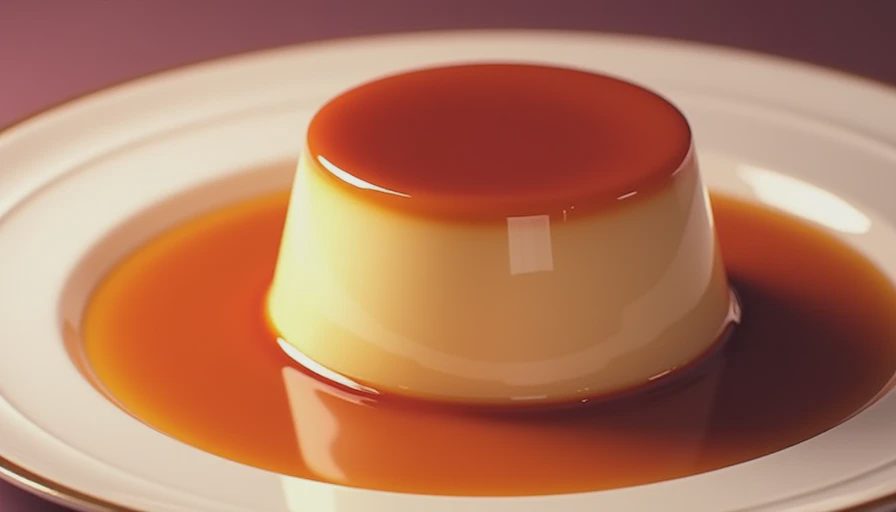
My reliable method for caramel for creme caramel
Place the sugar and water in a light-colored saucepan. A pale stainless-steel pan is easier than a dark nonstick pan because you can see the color developing. Set the heat to medium and stir only until no dry sugar remains. Once the syrup starts bubbling, stop stirring. Swirling the pan gently is fine, but a spoon can push crystallized sugar onto the sides.
Watch the bubbles rather than the clock. At first, they will be large and watery. As the syrup concentrates, the bubbles become smaller and the surface looks thicker. The color then changes quickly. When the syrup reaches a medium amber, remove the pan from the heat immediately. The residual heat will deepen the color for another few seconds.
Pour the caramel into the ramekins at once, rotating each dish to cover the bottom. It will harden quickly, so do not wait for it to look pourable again. If it sets before you finish, warm the saucepan over low heat for a few seconds. Never touch the caramel with a bare finger; molten sugar can cause a serious burn even when it looks harmless.
For caramel for creme caramel, I prefer medium amber rather than a very dark brown. The custard is delicate, and an aggressively bitter topping can overpower its vanilla flavor. Think toasted marshmallow, not burnt toast.
Can you make caramel with less sugar?
You can make a lower-sugar creme caramel, but sugar-free caramel is a different project. Granulated sugar caramelizes because heat transforms its molecules. Erythritol, allulose, stevia, and monk fruit blends do not all behave the same way. Some remain grainy, some crystallize after chilling, and some brown without developing the same rounded caramel flavor.
Allulose is the most promising option for a reduced-sugar caramel-style topping because it browns and melts more like sugar than many other alternatives. However, it can darken quickly and may remain softer or more syrupy after refrigeration. I would start with 1/3 cup allulose plus 1 tablespoon water for six servings, watch it closely, and accept that the result will not be identical to traditional caramel.
A practical compromise is often better: use regular sugar for the thin caramel layer and reduce sweetness in the custard. For example, if a recipe calls for 3/4 cup sugar in the custard, try 1/2 cup, then add vanilla and a small pinch of salt. You preserve the classic caramel behavior while lowering the total sweetness of the dessert. Less sugar. Same joy.
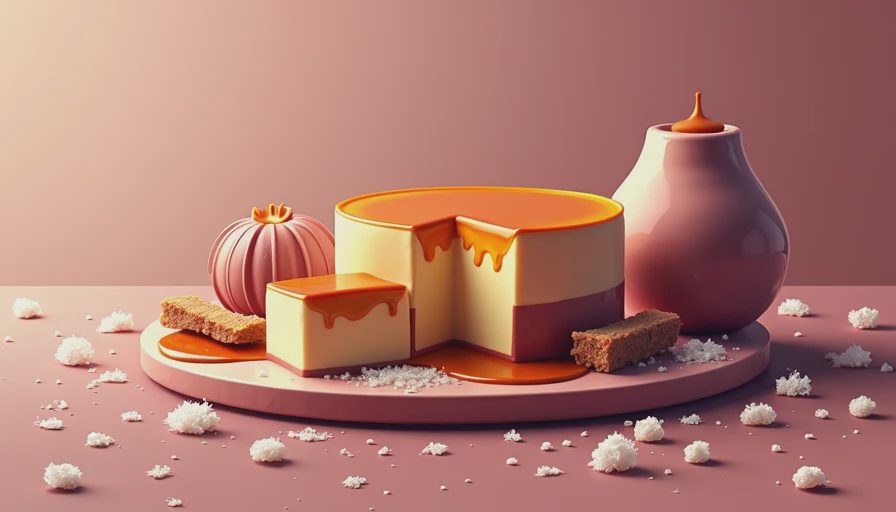
Common caramel problems and simple fixes
If the syrup crystallizes, the usual cause is undissolved sugar on the pan wall or stirring after boiling begins. A pastry brush dipped in water can wash down stray crystals before the syrup starts to color. You can also cover the pan for one minute during the early boil; trapped steam helps dissolve sugar clinging to the sides.
If the caramel tastes bitter, it was cooked too far. Do not try to rescue it by adding water while the pan is still extremely hot. Let it cool, discard it safely, and begin again with a slightly lower heat. The second batch usually takes less than ten minutes, and it is cheaper than serving a dessert with a burnt aftertaste.
If the caramel hardens into a thick disk, the layer was probably too deep or the sugar quantity was too high. This is not a disaster. The custard will soften some of it overnight, and the dessert can still unmold well. Next time, use 1/2 cup sugar rather than 2/3 cup, or divide the mixture among more ramekins.
If the topping stays watery, it may have been undercooked or exposed to excess moisture. Refrigeration naturally draws moisture from the custard, so a little fluid sauce is normal. A puddle with no caramel flavor suggests the syrup never reached the amber stage.
How the custard affects the caramel layer
The best caramel for creme caramel is matched to a smooth, gently baked custard. A custard made with whole eggs will be firmer and easier to unmold, while one made mostly with yolks will feel richer and softer. Either can work, but a soft custard needs a properly chilled caramel layer so the dessert holds together during inversion.
Strain the custard before pouring it over the hardened caramel. This removes eggy strands and any foam that could create a rough surface. Bake the ramekins in a water bath at a moderate temperature, usually around 325 degrees Fahrenheit, until the centers jiggle like set gelatin. Overbaking drives out moisture and can leave the custard grainy, which makes even excellent caramel seem less silky.
Cool the ramekins at room temperature, then refrigerate them for at least four hours. Overnight is even better. Run a thin knife around the edge, place a plate on top, and invert in one confident motion. If the dessert resists, rest the bottom of the ramekin in warm water for five to ten seconds. That gently loosens the caramel without melting the custard.
A measured plan for your next batch
For six portions, gather 1/2 cup sugar, 2 tablespoons water, six ramekins, and a light-colored saucepan. Prepare the caramel first, then make a vanilla custard with a deliberately moderate amount of sugar. Keep the heat medium, stop stirring once the syrup boils, and remove it at medium amber. Pour quickly, chill thoroughly, and unmold only when the custard is cold.
Serve each portion with the sauce that gathers around it. A few berries, unsweetened whipped cream, or a cup of coffee can balance the richness without adding another heavy layer of sweetness. Caramel for creme caramel should taste pleasantly toasted, not like a spoonful of candy. Once you learn that color and timing, the technique becomes repeatable—and dessert becomes something you can enjoy without apologizing for it.
Letters
No letters yet — be the first to write.