Choc chip biscuits no egg can be crisp at the edges, soft in the middle, and genuinely satisfying without relying on a mountain of sugar. I developed this version for the afternoons when my children want to bake, the pantry is missing eggs, and I still want a biscuit that tastes like a proper treat. The dough comes together with butter, brown sugar, milk, and a little cornstarch, so you get tender centers without an egg doing all the structural work.
This recipe also uses less sugar than many classic chocolate chip biscuits. It is not sugar-free, and I would not pretend that a reduced-sugar biscuit tastes exactly like a full-sugar bakery cookie. The difference is smaller than you might expect, though, because browned butter, vanilla, salt, and plenty of dark chocolate make each bite taste complete. Less sugar. Same joy.
Why these biscuits work without eggs
Eggs contribute water, fat, protein, and emulsifying power. In a typical cookie, the proteins help set the shape while the water hydrates flour. Remove the egg without replacing its functions, and the dough can become crumbly, greasy, or flat.
Here, whole milk supplies a little moisture, while cornstarch softens the flour proteins and keeps the crumb delicate. A modest amount of baking soda encourages spreading and browning. Brown sugar brings moisture and a gentle caramel flavor, but using less of it prevents the biscuits from becoming overly sweet or sticky. Chilling the dough is equally important: cold butter takes longer to melt in the oven, giving the flour time to set before the biscuits spread too far.
For choc chip biscuits no egg, use real butter if you can. A plant-based baking stick can work, but soft tub spreads often contain more water and can produce thin, oily biscuits. If you need a dairy-free batch, choose a firm vegan baking block and use dairy-free chocolate chips.
Ingredients and exact amounts
You will need 8 tablespoons, or 113 grams, of unsalted butter, softened but not melted; 1/2 cup, or 100 grams, of packed light brown sugar; 2 tablespoons, or 25 grams, of granulated sugar; 2 tablespoons of whole milk; 2 teaspoons of vanilla extract; 1 1/2 cups, or 190 grams, of all-purpose flour; 2 teaspoons of cornstarch; 1/2 teaspoon of baking soda; 1/2 teaspoon of fine salt; and 3/4 cup, or about 130 grams, of semisweet chocolate chips.
That quantity makes about 18 medium biscuits. I prefer chocolate chips in the 50 to 60 percent cacao range because they provide enough bitterness to balance the reduced sugar. Chopped chocolate gives more melted puddles, while chips hold their shape and make portioning easier. A teaspoon of espresso powder is optional; it does not make the biscuits taste like coffee, but it deepens the chocolate flavor.
How to make the dough
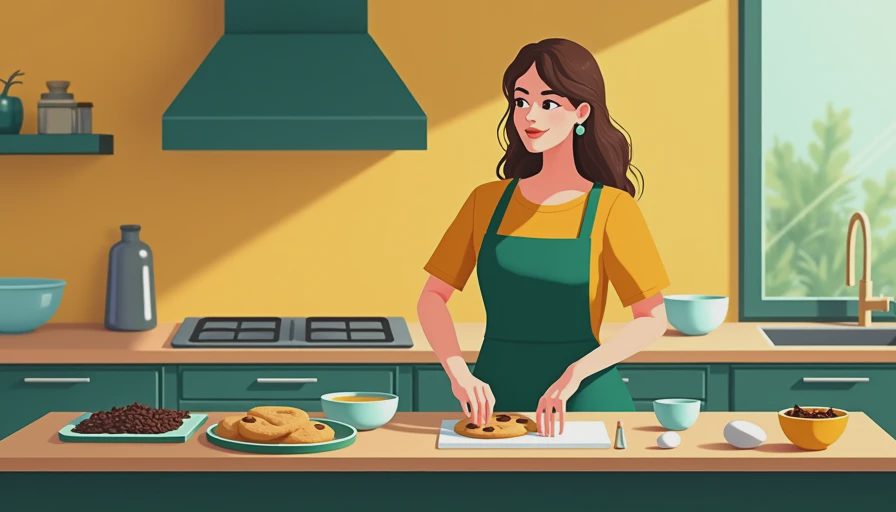
Cream the softened butter, brown sugar, and granulated sugar in a mixing bowl for about two minutes. You are not trying to whip in a great deal of air, as you would for a cake. The goal is a smooth paste with no large butter streaks. Beat in the milk and vanilla. The mixture may look slightly curdled, which is completely fine.
In a separate bowl, whisk the flour, cornstarch, baking soda, salt, and espresso powder if using. Add the dry ingredients to the butter mixture and stir just until no dry flour remains. Fold in the chocolate chips. Overmixing develops gluten and makes the finished biscuits firm rather than tender.
Scoop the dough into portions of about 2 tablespoons each. Roll them lightly, place them on a parchment-lined baking sheet, and chill for at least 30 minutes. You can chill the whole bowl first, but portioning before refrigeration makes the dough easier to handle. For choc chip biscuits no egg with thicker centers, chill the shaped portions for 60 minutes.
Bake for crisp edges and soft centers
Heat the oven to 350 degrees F. Arrange the chilled dough portions at least 2 inches apart because they will spread. Bake one tray at a time for 10 to 12 minutes, rotating the sheet halfway through if your oven browns unevenly.
Look for lightly golden edges and centers that still appear a little underdone. The biscuits continue cooking on the hot baking sheet, so waiting for the centers to look fully baked usually creates a dry result. Leave them on the sheet for 10 minutes, then transfer them to a rack.
If the first tray spreads too much, chill the remaining dough longer. If it barely spreads, gently flatten the dough balls before baking. Oven temperature, butter softness, and flour measurement all affect the result. Weighing the flour is the most reliable option; too much flour is the usual reason egg-free biscuits turn hard.
When testing choc chip biscuits no egg, I compare the biscuit at 10 minutes with the same dough baked for 12 minutes. The shorter bake has a softer, chewier middle, while the longer bake is crispier throughout. Both are good, but the shorter bake is my family’s favorite.

Lower-sugar swaps that still taste good
The recipe contains enough sugar for spreading, browning, and a pleasant cookie texture, but not so much that sweetness dominates the chocolate. I do not recommend simply replacing all the sugar with a granulated zero-calorie sweetener. Some sweeteners do not hold moisture or brown like sugar, and the result can be pale and brittle.
For a slightly less sweet biscuit, reduce the granulated sugar from 2 tablespoons to 1 tablespoon and keep the brown sugar unchanged. I would not reduce the total sugar much further without testing the texture. You can also use extra-dark chocolate, but remember that chocolate with a higher cacao percentage often tastes more bitter.
For people monitoring carbohydrate intake, portion size matters. A medium biscuit is easier to fit into a meal pattern than a huge bakery-style cookie. Pairing one with Greek yogurt, fruit, or a glass of milk can make the snack more satisfying than eating several biscuits alone. This is practical nutrition, not a reason to fear dessert.
Troubleshooting and storage
If your dough is dry and refuses to hold together, add milk one teaspoon at a time. Do not pour in a large splash, because excess liquid can make the biscuits spread dramatically. If the biscuits are greasy, the butter was probably too warm or the dough needed more chilling. If they are cakey, the flour may have been overmeasured or the dough was beaten too vigorously after the flour was added.
Store cooled choc chip biscuits no egg in an airtight container at room temperature for up to four days. Add a small piece of bread to the container if you want to preserve softness, replacing it when it becomes stale. For longer storage, freeze baked biscuits for up to two months or freeze shaped dough portions on a tray before transferring them to a freezer bag.
Bake frozen portions at 350 degrees F for about 13 to 15 minutes. They may need an extra minute, and the centers should still look slightly soft when removed. Label the bag with the date and baking time so a future batch does not become a guessing game.
Easy variations for the same base
For a nutty version, replace 2 tablespoons of flour with finely chopped toasted pecans. For an orange-chocolate biscuit, add 1 teaspoon of finely grated orange zest with the vanilla. A pinch of flaky salt on top before baking makes the chocolate taste richer without adding more sugar.
You can also press a few extra chips onto the tops immediately after baking. This gives choc chip biscuits no egg a bakery-style finish without changing the dough. If you are baking with children, let them portion the dough with a cookie scoop and count the chocolate chips; those small jobs are less messy than letting them measure flour.
The finished biscuits should have a lightly crisp rim, a tender center, and enough chocolate in every bite. Make the dough, chill it properly, and let the oven do the work. That is the reliable route to choc chip biscuits no egg that feel like dessert rather than a compromise.



Letters
No letters yet — be the first to write.