Double chocolate chunk cookies should taste intensely chocolatey, not like sweetened cardboard with a few chips hiding inside. My version uses cocoa powder, chopped chocolate, and a measured reduction in sugar to create a cookie with crisp edges, chewy centers, and enough bitterness to make the chocolate taste bigger. These are double chocolate chunk cookies for people who want a genuinely good dessert, not a punishment disguised as one.
The recipe makes about 18 cookies. You will need 1 cup all-purpose flour, 1/2 cup unsweetened natural cocoa powder, 1/2 teaspoon baking soda, 1/2 teaspoon fine salt, 6 tablespoons unsalted butter, 1/2 cup packed brown sugar, 1/4 cup granulated sugar, 1 large egg, 1 teaspoon vanilla extract, and 5 ounces semisweet chocolate chopped into uneven chunks. A 60% to 70% cacao bar works beautifully because it brings more cocoa flavor than standard milk chocolate chips.
Why These Double Chocolate Chunk Cookies Still Taste Rich
Sugar does more in a cookie than make it sweet. It helps the edges brown, holds onto moisture, and encourages spread. Cut too much, and the result can be dry, pale, and cakey. That is why I did not simply halve the sugar. This formula uses 3/4 cup total instead of the 1 to 1 1/4 cups found in many similar recipes, while butter, brown sugar, and chopped chocolate protect the texture.
Brown sugar supplies a little molasses flavor and extra moisture. Cocoa powder adds depth without adding much sweetness, but it also absorbs liquid, so the egg and butter amounts matter. Chopped chocolate creates irregular pockets: some pieces melt into the dough, while larger pieces stay soft and distinct after cooling. The result tastes less sugary because the cookie has more layers of flavor, not because the chocolate experience has disappeared.
For an even less-sweet batch, use chocolate around 70% cacao and keep the dough portions modest. That combination works well for adults who prefer dark chocolate. For children, I usually choose 60% semisweet chocolate and serve one cookie with milk or fruit rather than making the cookie sweeter.
How to Make the Dough Correctly
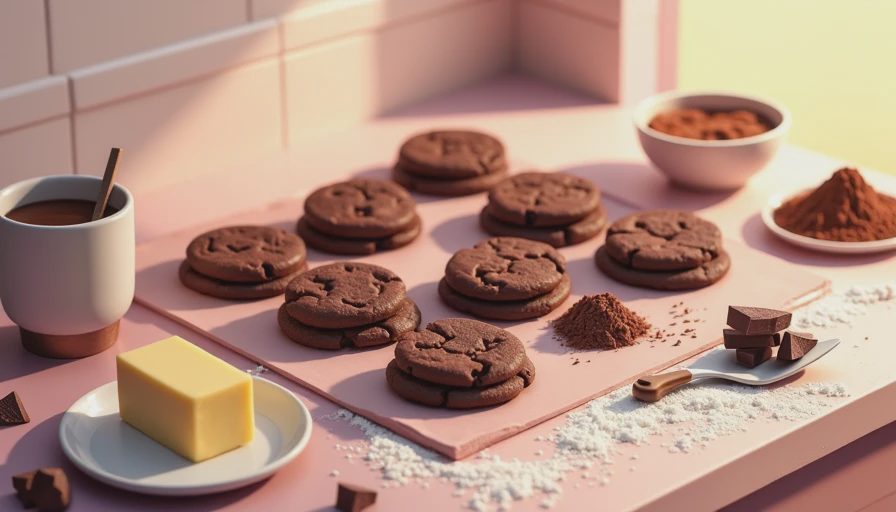
Start by melting the butter in a small saucepan or microwave-safe bowl. Let it cool for five to ten minutes; warm butter is fine, but hot butter can partially cook the egg later. Whisk the flour, cocoa powder, baking soda, and salt in a separate bowl. Sifting is helpful if your cocoa is lumpy, although a thorough whisk works just as well.
In a larger bowl, whisk the melted butter with both sugars for about one minute. Add the egg and vanilla, then whisk until the mixture looks smooth and slightly thickened. Stir in the dry ingredients with a flexible spatula. Stop when only a few dry streaks remain, then fold in the chocolate chunks.
The dough should be soft but scoopable. If your kitchen is warm or the butter was very hot, chill the dough for 30 minutes. Chilling is not busywork: it firms the butter, limits excessive spreading, and gives the cocoa time to hydrate. Scoop portions of about 2 tablespoons onto parchment-lined baking sheets, leaving at least 2 inches between them.
Bake at 350°F for 10 to 12 minutes. The edges should look set, while the centers should still look slightly underdone. Let the cookies rest on the baking sheet for 10 minutes before moving them to a cooling rack. They finish cooking from residual heat, and moving them too soon can cause breakage.
The Sugar Swap I Actually Recommend
For these double chocolate chunk cookies, I recommend a partial sugar reduction rather than replacing all the sugar with a specialty sweetener. Allulose can create a soft, moist cookie and browns differently, while erythritol often produces a cooling sensation and a crumbly texture. Stevia provides sweetness but not the bulk that sugar contributes, so a direct cup-for-cup swap is not reliable.
If you want to test an allulose version, replace the 1/4 cup granulated sugar with 1/4 cup granulated allulose and expect a softer, paler cookie. Watch the baking time closely because allulose can brown quickly around the edges. For a family-friendly reduced-sugar batch, the recipe as written is my favorite compromise: the cookie still spreads and browns normally, but each bite has more cocoa and less syrupy sweetness.
Remember that lower sugar does not mean sugar-free or carbohydrate-free. Flour, brown sugar, granulated sugar, and chocolate all contribute carbohydrates. Someone managing diabetes should consider the whole serving and their personal plan, rather than assuming a smaller amount of sugar makes unlimited portions appropriate.
Troubleshooting Flat, Dry, or Cakey Cookies
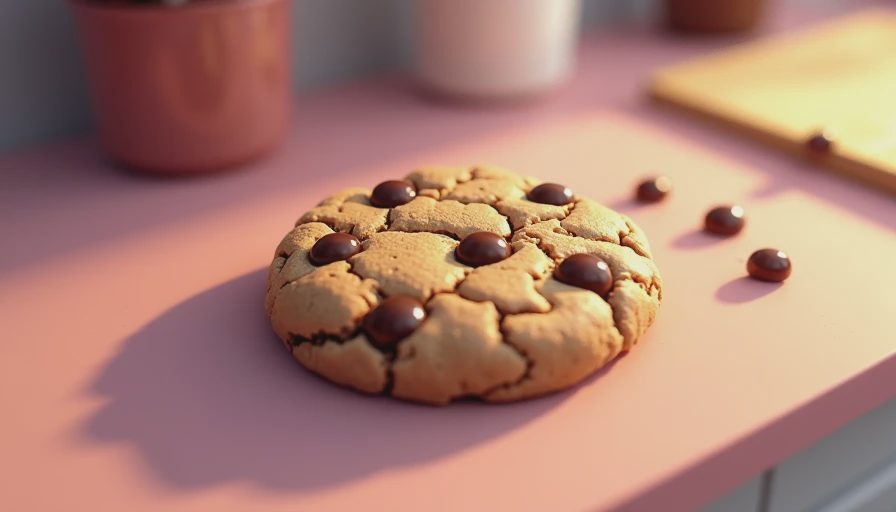
If your cookies spread into thin puddles, the butter was probably too warm, the dough was not chilled, or the baking sheet was hot when the dough went on. Chill the next tray for 30 to 45 minutes and use a cool sheet. Measuring flour by scooping directly from the bag can also add too much; spoon it into a measuring cup and level it, or use 120 grams on a kitchen scale.
If the cookies are dry, check whether you baked them until the centers looked fully done. Cocoa cookies often appear soft when they are ready. An extra two minutes can change chewy centers into firm, crumbly rounds. If the cookies are cakey, too much flour or an overmixed dough is the usual culprit. Stir only until the dry ingredients disappear.
For thicker double chocolate chunk cookies, chill the shaped portions overnight and bake them cold. For flatter cookies with lacy edges, bake immediately after mixing. Both methods work; the important part is choosing intentionally instead of wondering why two batches look different.
Serving, Storing, and Freezing
These double chocolate chunk cookies are best slightly warm, when the chopped chocolate is still glossy and soft. Give them 10 minutes to cool first so the centers set enough to hold. A small cookie with coffee, milk, or plain Greek yogurt makes a satisfying dessert without turning the end of a meal into a sugar marathon.
Store cooled cookies in an airtight container for up to four days. Add a piece of parchment between layers if the chocolate remains sticky. To freeze the dough, scoop portions onto a tray, freeze until solid, and transfer them to a labeled freezer bag. Bake from frozen at 350°F, adding about two minutes to the usual time. Frozen baked cookies can also be warmed for 15 to 20 seconds in the microwave.
My Final Baking Notes
Use real cocoa powder, fresh baking soda, and chocolate you would happily eat on its own. Those ingredients matter more here because the reduced sugar leaves less room for bland cocoa or stale chocolate to hide. Weigh the flour if possible, chill the dough when it feels loose, and pull the cookies before the centers look completely finished.
The best double chocolate chunk cookies do not need a frosting drizzle or a mountain of candy. They need contrast: dark cocoa, buttery dough, chewy brown sugar, and molten chocolate chunks. That is the point of reducing sugar thoughtfully instead of dramatically. Less sugar. Same joy.


Letters
No letters yet — be the first to write.