There is a particular kind of muffin disappointment: a tall, fragrant blueberry muffin that looks bakery-worthy, only to taste like a sugared sponge. These to die for blueberry muffins solve that problem with a moderate amount of sugar, plenty of berries, and the right balance of fat, moisture, and acidity. They are tender enough for a Saturday breakfast, sturdy enough for a lunchbox, and sweet enough to feel like dessert without leaving everyone hunting for another snack an hour later.
I developed this version after years of bringing muffins to family gatherings and watching what actually disappeared from the plate. My kids do not care whether a recipe contains less sugar; they care whether the top is golden, the berries are jammy, and the crumb does not stick to their teeth. This recipe passes that test. It uses 1/2 cup granulated sugar for 12 muffins, compared with many bakery-style recipes that use 3/4 cup or more.
Why These Muffins Taste Sweet Enough
Sugar does more than sweeten a muffin. It helps retain moisture, encourages browning, and keeps the crumb soft. That is why simply cutting a recipe from 1 cup to 1/2 cup can produce something pale, dry, and oddly bready. In these to die for blueberry muffins, I keep enough sugar for tenderness and use the berries, vanilla, and lemon zest to make each bite taste fuller.
The key is not an expensive sugar substitute. It is concentration of flavor. Fresh blueberries bring acidity and floral sweetness, while a teaspoon of lemon zest makes the fruit taste brighter. Vanilla rounds out the edges. If your berries are bland, toss them with 1 teaspoon of flour and add 1 tablespoon of lemon juice to the batter. That small adjustment gives the fruit more personality without adding another spoonful of sugar.
For a lower-sugar batch, replace only 2 tablespoons of the granulated sugar with an allulose baking blend. Do not swap cup for cup with a highly concentrated sweetener. Allulose browns faster and can make the edges soft, so reduce the oven temperature by 10 degrees if your pan is dark. My honest taste-test: the allulose version is slightly less crisp on top, but the interior stays pleasantly moist.
The Exact Batter Formula
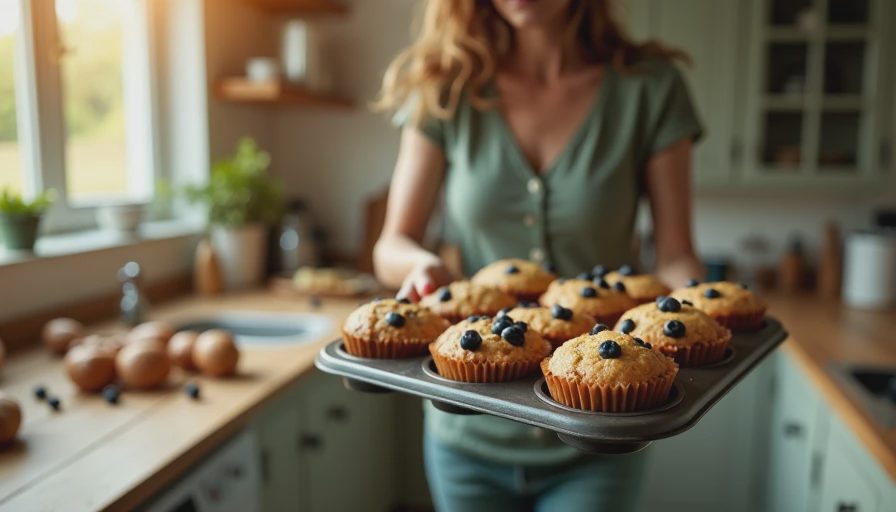
For 12 to die for blueberry muffins, gather 2 cups all-purpose flour, 2 teaspoons baking powder, 1/2 teaspoon fine salt, 1/2 cup granulated sugar, 2 large eggs, 1/2 cup plain Greek yogurt, 1/3 cup neutral oil, 1/4 cup milk, 2 teaspoons vanilla extract, the zest of 1 lemon, and 1 1/2 cups blueberries. Fresh or frozen berries work. Keep frozen berries frozen so they do not bleed purple streaks through the batter.
Heat the oven to 375°F and line a standard 12-cup muffin pan. Whisk the flour, baking powder, salt, and sugar in a large bowl. In a second bowl, whisk the eggs, yogurt, oil, milk, vanilla, and lemon zest until smooth. Make a well in the dry ingredients, pour in the wet mixture, and fold just until no dry flour remains. A few lumps are good. Overmixing develops gluten and turns a tender muffin chewy.
Fold in the blueberries with six or seven deliberate strokes. Divide the batter among the cups, filling each about three-quarters full. For bakery-style domes, let the filled pan rest for 10 minutes while the oven finishes heating. Sprinkle the tops with 1 teaspoon of coarse sugar divided across the muffins if you want a delicate crunch. That optional topping adds very little sugar per serving but makes the muffins feel special.
Baking Details That Matter
Bake for 19 to 23 minutes, rotating the pan once at the halfway point. The muffins are done when the tops spring back lightly and a toothpick inserted beside a berry comes out with a few moist crumbs. A toothpick through a blueberry will look wet even when the batter is baked, so test more than one spot. The internal temperature should be roughly 200°F to 205°F if you prefer to use an instant-read thermometer.
Let the muffins cool in the pan for 5 minutes, then move them to a rack. This short rest allows the crumb to finish setting without steaming the bottoms. If you leave them in the hot pan for 20 minutes, the sides can become damp. Once cool, store them in a sealed container for two days at room temperature or freeze them for up to two months.
To freeze, cool the muffins completely, wrap each one in parchment or plastic wrap, and place them in a freezer bag. Rewarm one at a time in the microwave for 20 to 30 seconds. The berries soften beautifully, and the lemon aroma returns as the muffin warms. This is one reason I bake a double batch on Sunday instead of buying individually wrapped breakfast pastries during the week.
Smart Variations Without Losing the Texture
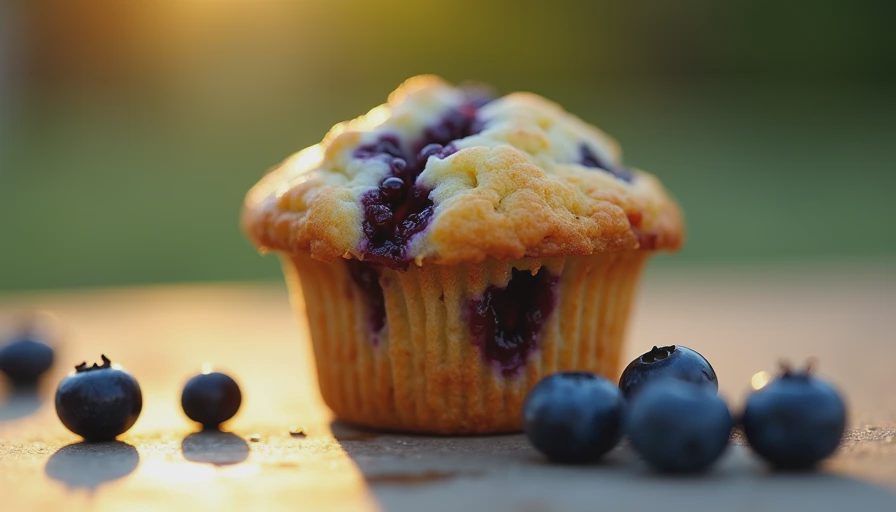
These to die for blueberry muffins are flexible, but each change affects the bake. Replace up to 1/2 cup of the all-purpose flour with white whole-wheat flour for a nuttier flavor and more fiber. Using more can make the muffins heavy unless you add another tablespoon of milk. You can also fold in 1/3 cup chopped walnuts, although the nuts will make the fruit seem less prominent in each bite.
For a dairy-free version, use unsweetened plain nondairy yogurt and oat or soy milk. Choose a yogurt with a thick consistency; a very thin product can make the batter loose. For a richer top, add 2 tablespoons of rolled oats before baking. I do not recommend mashed banana here. It sounds wholesome, but banana changes the moisture balance and can hide the blueberry flavor while making the center gummy.
If you use wild blueberries, reduce the amount slightly to 1 1/4 cups because their smaller size distributes more evenly. If you use large frozen berries, toss them into the batter straight from the freezer. Thawed berries release juice too quickly, which can create purple pockets and a damp stripe near the bottom.
A Breakfast That Does Not Need an Apology
One of the reasons I keep returning to these to die for blueberry muffins is that they fit real life. A muffin with about 1/2 cup of fruit, a modest amount of sugar, and some protein from Greek yogurt is not a complete meal for everyone, but it can be part of one. Pair it with a boiled egg, cottage cheese, or a spoonful of peanut butter if you need a more filling breakfast. For children, add milk and let them choose whether they want the crisp top or the berry-heavy middle.
The goal is not to make dessert morally superior or to pretend a reduced-sugar muffin is identical to a coffee-shop pastry. It is to make something genuinely delicious with less sweetness competing against the fruit. These muffins have a soft crumb, browned edges, and enough sugar to feel celebratory. That is the balance I want in my kitchen: less sugar, same joy.
Bake a batch while the berries are plentiful, or use frozen blueberries when the season changes. Once you learn the flour-to-liquid ratio and resist overmixing, the method becomes dependable enough for busy mornings and relaxed weekend baking. These to die for blueberry muffins are proof that a thoughtful substitution can protect both flavor and texture.




Letters
No letters yet — be the first to write.