White chocolate ganache has a reputation for being fussy, overly sweet, or strangely thin. I understand the frustration: you warm cream, pour it over chopped chocolate, stir patiently, and somehow end up with a puddle. The good news is that the problem is usually a ratio or temperature issue, not a lack of pastry talent. With a few precise choices, you can make a smooth filling, frosting, drip, or truffle mixture while keeping the sweetness in check.
What white chocolate ganache actually is
At its simplest, white chocolate ganache combines white chocolate and warm heavy cream. Unlike dark chocolate, white chocolate contains cocoa butter, milk solids, and sugar but no cocoa solids. That difference matters. Cocoa solids give dark chocolate structure and a deeper flavor, while white chocolate relies mostly on cocoa butter for its set. It therefore needs less cream to become firm enough for a cake filling or rolled truffle.
The chocolate you choose also matters more than the label suggests. Look for real cocoa butter near the top of the ingredient list. Some inexpensive baking chips use vegetable fats instead, and those products can melt unevenly or produce a waxy finish. Bars or couverture-style wafers from brands such as Guittard, Callebaut, Ghirardelli, or Valrhona usually give more predictable results. You do not need the most expensive option, but you do need chocolate designed to melt.
For a spreadable white chocolate ganache, start with two parts white chocolate by weight to one part heavy cream. For example, use 12 ounces of chocolate and 6 ounces of cream. For a pourable glaze, use closer to 1.5 parts chocolate to one part cream. A kitchen scale is far more reliable than measuring chocolate chips by volume because chip size and air gaps change the amount.
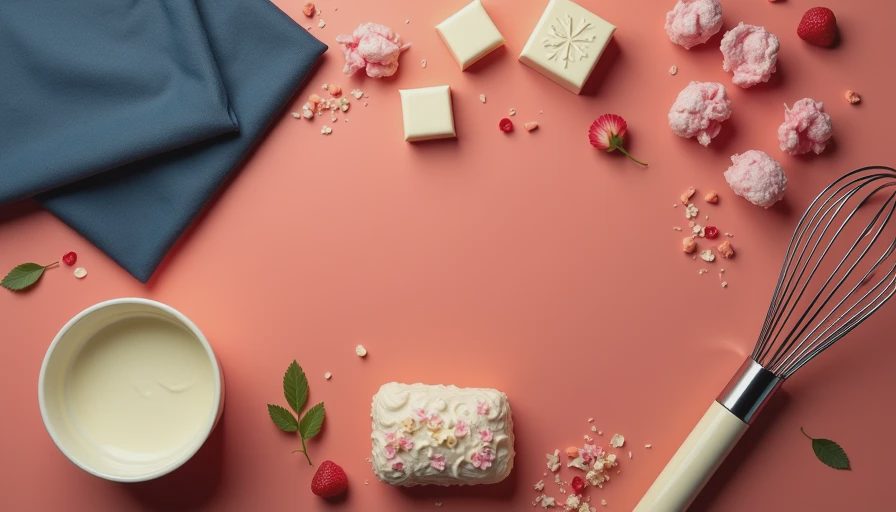
How to make white chocolate ganache without splitting it
Chop the chocolate into small, similar-size pieces and place them in a heatproof bowl. Warm the cream in a small saucepan until it is steaming and just beginning to form bubbles around the edge. Do not boil it hard. Excessive heat can scorch the cream and make the emulsion more difficult.
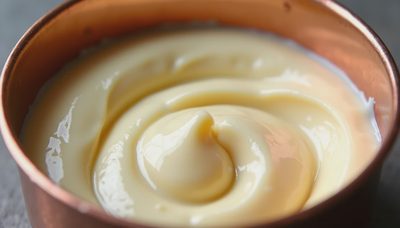
Pour the cream over the chocolate, cover the bowl, and wait three minutes. This short rest lets the centers soften before you stir. Use a flexible spatula and begin with small circles in the middle of the bowl. Once the center turns glossy, gradually widen the circles until the mixture is smooth from edge to edge. Vigorous whisking can add air bubbles, which is annoying when you want a clean cake drip.
If the chocolate remains lumpy, set the bowl over a saucepan containing a small amount of barely simmering water. Stir gently and remove the bowl as soon as the last pieces melt. If the mixture looks greasy or separated, add one teaspoon of warm cream and stir slowly. That extra liquid can help the cocoa butter and water-based cream come back together.
How to make it less sweet without ruining the texture
White chocolate is sweet because sugar is one of its primary ingredients, so simply cutting the chocolate with extra cream creates a loose sauce rather than a balanced frosting. My favorite adjustment is flavor contrast. Add a pinch of fine salt, one teaspoon of vanilla, or a little espresso powder for a mocha cake. Lemon zest, raspberry puree, roasted coffee, and toasted almonds also make the sweetness taste less one-dimensional.
For a lower-sugar dessert, use less white chocolate overall and pair a thin layer with a less-sweet cake. A six-inch layer cake may need only 8 to 10 ounces of finished frosting if you spread it between layers rather than piping tall decorations. A lightly sweetened Greek yogurt cake, unsweetened berry compote, or bittersweet chocolate sponge can provide contrast without requiring a sugar substitute in every component.
Sugar-free white chocolate products are not interchangeable with standard white chocolate. Some contain sugar alcohols, which can cause digestive discomfort for some people, and their cocoa butter balance varies widely. Read the label, test a small batch, and remember that “sugar-free” does not automatically mean low calorie or carbohydrate-free. For people managing diabetes or prediabetes, portion size and the total dessert still matter.
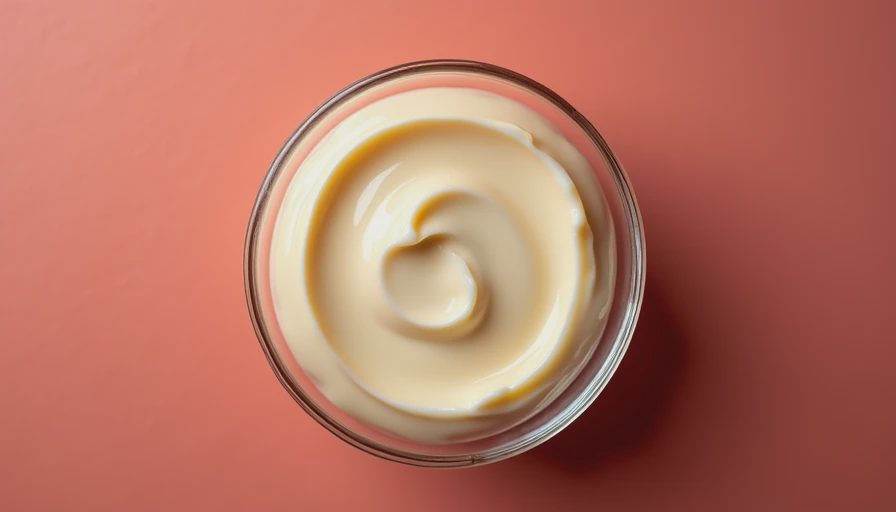
Choosing the right consistency for cake, cupcakes, and drips
The same white chocolate ganache can serve several purposes if you control its temperature. Warm and fluid ganache works as a drip on a chilled cake. Let it cool until thick but spreadable, and it becomes a filling or frosting. Chill it firmly, then whip it briefly for a lighter texture. Whipping adds volume, but stop as soon as soft peaks form; over-whipping can make the cocoa butter grainy.
For a cake drip, cool the mixture to roughly room temperature and test a spoonful down the side of a cold cake. If it races to the bottom, wait five minutes and test again. If it refuses to move, warm it gently for a few seconds. For cupcake frosting, refrigerate the mixture until it has the texture of soft butter, then beat it briefly with a hand mixer. The result is rich, so a modest swirl is usually more satisfying than a towering mound.
A firm ratio is useful for molded treats and truffles. Use three parts chocolate to one part cream, chill the mixture overnight, and scoop it with a small cookie scoop. Roll the centers in freeze-dried raspberry powder, unsweetened cocoa, or finely chopped pistachios. Because the chocolate is already sweet, a tart or bitter coating keeps the bite from becoming cloying.
Troubleshooting common ganache problems
If your white chocolate ganache is too thin, the mixture may still be warm. Chill it for 20 to 30 minutes, stirring every five minutes, before adding more chocolate. If it remains loose, melt a small amount of additional chocolate separately and stir it in gradually. Adding cold chocolate directly can create lumps.
If it is too thick, warm it gently and add cream one tablespoon at a time. If it looks grainy, the chocolate may have overheated or the emulsion may have broken. An immersion blender can sometimes rescue it, provided you keep the blade below the surface to avoid bubbles. Strain it afterward if you see stubborn specks.
A dull finish often comes from condensation, overmixing, or chilling uncovered. Press plastic wrap directly against the surface while it cools. Before using it on a cake, let it soften gradually at room temperature rather than microwaving it until hot. Smooth texture is easier to preserve than to recover.
My reliable method for a celebration cake
For a standard two-layer eight-inch cake, I use 16 ounces of white chocolate and 8 ounces of heavy cream for a thick filling and exterior coat. I add a pinch of salt and one teaspoon of vanilla after the mixture becomes smooth. The ganache cools at room temperature for about an hour, then goes into the refrigerator until spreadable. I reserve a cup for the final coat and use fresh berries or tart jam between the layers.
This approach gives you the richness people expect from a celebration cake without making every bite taste like straight candy. It also makes the process predictable: weigh the ingredients, control the heat, and adjust the final texture with time before adding more cream or chocolate. That is the pastry science behind dependable white chocolate ganache. Less sugar. Same joy.
Letters
No letters yet — be the first to write.