A good white chocolate ganache recipe should produce a smooth, glossy cream that spreads easily and tastes rich without leaving you with a mouthful of pure sweetness. This version uses a reliable chocolate-to-cream ratio, explains the science behind it, and includes a practical lower-sugar approach. I have made it for birthday cakes, vanilla cupcakes, sandwich cookies, and bowls of strawberries, and the technique is forgiving once you understand what the ingredients are doing.
Ingredients for smooth white chocolate ganache
You need 8 ounces of good-quality white chocolate, finely chopped, and 1/2 cup of heavy cream. For flavor, add 1 tablespoon of unsalted butter and 1/2 teaspoon of vanilla extract. A small pinch of fine salt is not optional in my kitchen; it does not make the ganache salty, but it keeps the sweetness from tasting flat.
Choose real white chocolate that lists cocoa butter rather than only vegetable fat. Brands such as Ghirardelli, Guittard, and Valrhona are commonly available, although the exact sweetness and cocoa butter content differ. White baking chips can work in a hurry, but they often contain stabilizers that make the finished mixture thicker or waxier. Chop a bar into small pieces so the heat reaches the center quickly.
For a less-sweet result, do not simply stir a granulated sweetener into the finished ganache. Sugar affects both sweetness and structure, and most granulated substitutes will leave a gritty texture. Instead, use a reduced-sugar white chocolate if you can find one that melts cleanly, or make a smaller batch and use a thinner layer on a dessert. That preserves the creamy texture while reducing the amount of sweet chocolate in each serving.
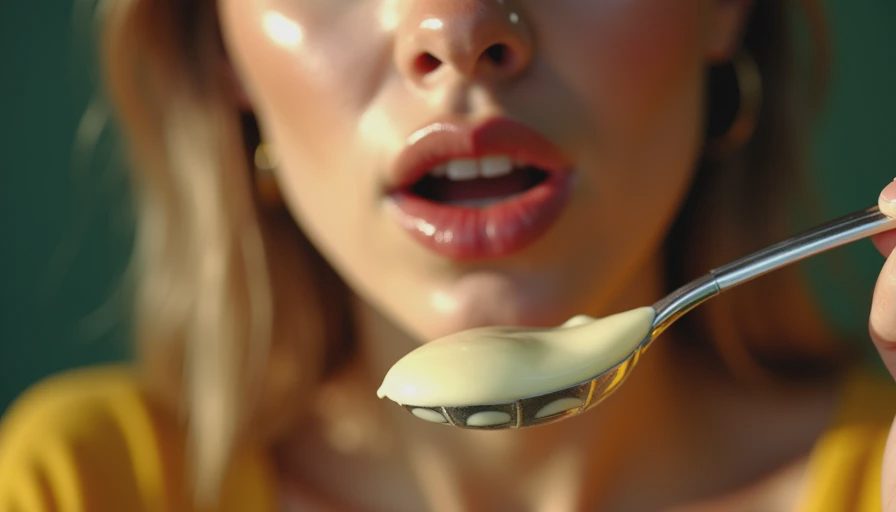
White chocolate ganache recipe method
Place the chopped chocolate in a dry, heatproof bowl. Warm the cream in a small saucepan over medium-low heat until it is steaming and you see tiny bubbles around the edge. Do not let it boil hard. Boiling cream can reduce the water content too much, and that makes the final emulsion less predictable.
Pour the hot cream over the chocolate and let the bowl sit for three minutes. This pause matters: it gives the chocolate time to soften before you begin stirring. Add the butter, vanilla, and salt. Starting in the center, stir slowly in small circles, gradually widening the circles as the mixture turns glossy. A silicone spatula works better than a whisk because it introduces less air.
This white chocolate ganache recipe makes approximately 1 1/2 cups, enough to fill and cover a single 8-inch layer cake lightly, frost 12 cupcakes, or dip a generous bowl of fruit. For a pourable glaze, use it while warm. For a spreadable frosting, cool it at room temperature for 45 to 75 minutes, stirring every 15 minutes. For a pipeable texture, refrigerate it briefly, then whip it for one to two minutes with a hand mixer.
Why the ratio matters
White chocolate contains cocoa butter, milk solids, and sugar, but it has no cocoa solids to provide the deeper flavor found in dark chocolate. That is why it responds differently to cream. A dark chocolate ganache often uses equal weights of chocolate and cream for a soft filling. White chocolate needs more chocolate relative to cream because its structure is naturally softer and sweeter.
The 8-ounce-to-1/2-cup ratio gives you a useful middle ground. It is fluid when warm, spreadable when cool, and firm enough to hold a simple swirl. If you want a truffle-style filling, reduce the cream to 1/3 cup. If you want a thin glaze for a Bundt cake, increase the cream to 2/3 cup. Weighing the chocolate is more dependable than counting cups because chopped pieces vary dramatically in size.
My favorite use for this white chocolate ganache recipe is a lightly sweetened vanilla cake with raspberries. The tart berries supply contrast, so I do not need to add extra sugar to the cake or the filling. Lemon zest, espresso powder, freeze-dried strawberry powder, and almond extract also balance white chocolate nicely without changing the basic method.

Troubleshooting common ganache problems
If the mixture looks oily or separated, the emulsion has broken. Warm it gently over a saucepan of barely simmering water, then stir in one teaspoon of warm cream at a time. Stop as soon as it becomes smooth. Adding too much liquid at once can make the problem worse.
If small lumps remain, the chocolate was not chopped finely enough or the cream was not hot enough. Set the bowl over warm water and stir patiently. Avoid direct high heat, which can scorch the milk solids. An immersion blender can rescue a stubborn batch, but keep the blade below the surface so you do not whip in bubbles.
If the finished ganache is too loose, let it cool before changing the formula. Temperature is often the whole issue. If it is still thin at room temperature, melt in a little more finely chopped white chocolate. If it is too firm, warm it gently and add cream by the teaspoon. For this white chocolate ganache recipe, small adjustments are safer than pouring in a large splash and hoping for the best.
Lower-sugar serving ideas
Ganache is still a concentrated dessert, even when the recipe uses less sugar than a thick buttercream. I prefer to treat it as a finishing ingredient rather than the entire dessert. Spread two tablespoons between cake layers instead of coating the cake in a deep blanket. Drizzle one tablespoon over plain Greek yogurt and berries, or dip only half of each strawberry so the fruit remains the main flavor.
You can also pair the cream with desserts that bring natural acidity and texture: roasted pears, unsweetened apple cake, raspberries, or crisp almond cookies. A pinch of salt and a little citrus zest make a modest amount taste more complete. These are not tricks that make white chocolate taste like dark chocolate; they simply prevent sweetness from dominating the plate.
Storage and make-ahead instructions
Cool the ganache completely, cover it, and refrigerate it for up to one week. Before using, let it sit at room temperature until spreadable. You can also freeze it in a sealed container for about one month. Thaw it overnight in the refrigerator, then warm it gradually and stir until smooth.
Do not leave cream-based ganache at room temperature overnight. For a party, keep the finished cake or cupcakes chilled until shortly before serving, especially in a warm kitchen. Condensation can dull the shine, so uncover chilled desserts gradually rather than moving them directly from a cold refrigerator into humid air.
This white chocolate ganache recipe gives you a dependable base for glazing, filling, dipping, and decorating. Use quality chocolate, heat the cream gently, and let temperature do some of the work before changing the ingredients. With a smaller portion and fruit or a less-sweet cake alongside it, you get the creamy celebration people want without pretending that dessert needs an apology. Less sugar. Same joy.

Letters
No letters yet — be the first to write.