A fudgesicle on a hot afternoon is a small, perfect pleasure: cold, chocolatey, creamy, and just sweet enough to make you slow down. The trouble is that many packaged versions bring a long ingredient list and enough added sugar to leave some people wanting another dessert soon after. My homemade fudgesicle recipe takes a different route. It uses cocoa, milk, Greek yogurt, and a measured amount of sweetener to create a pop with real chocolate depth rather than a vaguely brown frozen snack.
I am not interested in pretending that a lower-sugar frozen treat tastes exactly like the original. Sugar does more than sweeten. It lowers the freezing point, softens texture, and helps a frozen dessert feel smooth instead of icy. Reduce it too aggressively and you get a hard, brittle pop. The goal is not to remove the science; it is to work with it. Less sugar. Same joy.
What Makes a Fudgesicle Creamy
The texture begins with the dairy. Whole milk gives this fudgesicle enough fat for a round mouthfeel, while plain Greek yogurt adds protein and body. You can use 2% milk, but the result will freeze a little firmer. Skim milk is possible, though I would add an extra tablespoon of yogurt to keep the pop from tasting watery.
Cocoa powder supplies concentrated chocolate flavor without the sugar found in many chocolate syrups. I prefer natural unsweetened cocoa for a bright, familiar chocolate taste, but Dutch-process cocoa works if you want a darker, less tangy finish. A tiny pinch of salt matters here. It will not make the dessert salty; it makes the cocoa taste more complete.
For six pops, whisk 1 1/2 cups milk, 1/2 cup plain Greek yogurt, 1/3 cup unsweetened cocoa powder, 3 tablespoons maple syrup, 1 teaspoon vanilla extract, and 1/8 teaspoon salt in a saucepan. Warm the mixture over medium-low heat until steaming, but do not boil it. Heating dissolves the cocoa and maple syrup and prevents dusty pockets in the finished pop.

Let the mixture cool for ten minutes, then blend until smooth. This step is especially useful if your yogurt is thick or your cocoa has clumped. Pour into six 3-ounce molds, leaving a little space at the top for expansion. Insert sticks and freeze for at least six hours, preferably overnight. To release a fudgesicle, run the mold under warm water for 10 to 15 seconds, then pull gently.
Choosing the Sweetener Without Guesswork
Maple syrup is my first choice when I want a short, recognizable ingredient list. It contributes a gentle caramel note, but it also adds liquid, so the recipe uses dairy and cocoa in balanced amounts. Honey works at the same tablespoon-for-tablespoon quantity, though its flavor is more noticeable and can compete with chocolate.
If you use a granulated zero-calorie sweetener, choose one designed to measure like sugar and start with 1/4 cup rather than assuming every product has equal sweetness. Allulose tends to make frozen desserts softer, which is helpful, but it can leave a slight cooling sensation for some tasters. Erythritol often freezes hard and can crystallize, so I would not use it as the only sweetener in this recipe.
Liquid stevia and concentrated monk fruit products are harder to predict because brands vary widely. A few drops too many can turn a pleasant fudgesicle bitter. If you use one, follow the product label for the sweetness equivalent of 3 tablespoons sugar, then taste the unfrozen mixture. It should taste slightly sweeter than you want because freezing dulls sweetness.
The maple version contains less added sugar than many commercial chocolate pops, but it is not sugar-free. That distinction matters for anyone managing diabetes or counting carbohydrates. Yogurt and milk also contribute carbohydrate, so consider the complete serving and your personal meal plan rather than focusing on one ingredient.
Three Easy Ways to Improve the Chocolate Flavor
First, bloom the cocoa. Warming it with the milk gives its flavor more intensity than stirring dry cocoa into a cold mixture. Second, add a teaspoon of instant espresso powder if you enjoy dark chocolate. Espresso does not make the pop taste like coffee; it deepens the cocoa. Third, add 1/4 teaspoon cinnamon for a warmer, almost Mexican-hot-chocolate direction.
A tablespoon of smooth peanut butter creates a chocolate-peanut butter pop with extra richness. If you make that variation, reduce the Greek yogurt by one tablespoon so the mixture does not become too thick. For a mocha version, replace two tablespoons of milk with cooled brewed coffee. These changes are small, but they give a fudgesicle enough flavor to feel intentional rather than merely reduced.
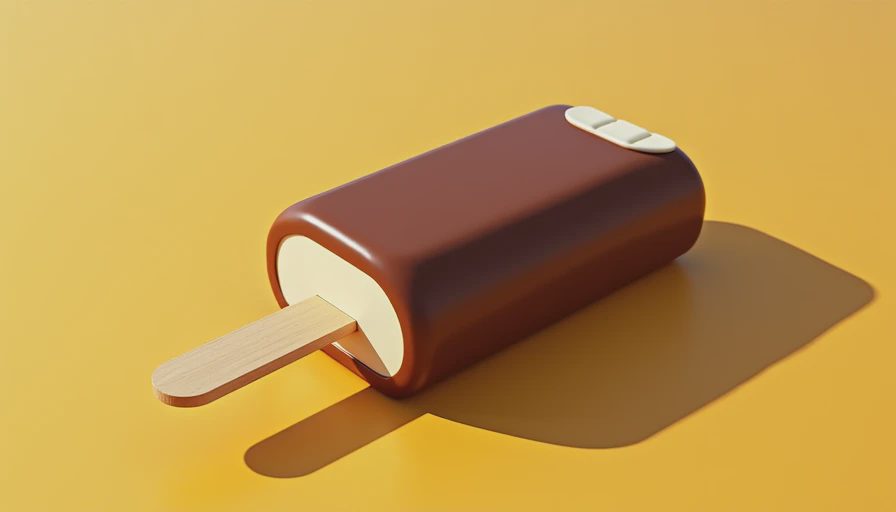
Fresh berries can also work, although I prefer serving them alongside the frozen pop instead of blending them in. Strawberry puree adds water, which can create iciness. A few sliced strawberries, raspberries, or cherries on the plate give contrast without changing the carefully balanced frozen texture.
A Practical Comparison With Store-Bought Pops
A packaged fudgesicle is convenient, portioned, and nostalgic. That convenience has value, especially when the freezer needs a grab-and-go option. Homemade pops take about fifteen minutes of active work, plus freezing time, and they require washing a blender and molds. I would not make them for every single craving.
The homemade version wins when you want control over sweetness, cocoa intensity, and dairy choices. You can use lactose-free milk, plain skyr, or a plant-based milk with enough body. Soy milk usually gives a creamier result than almond milk because it contains more protein. Coconut beverage can taste pleasant, but it brings a distinct flavor and is often too thin unless paired with yogurt.
For a family, make one batch on Sunday and keep the pops frozen for about two weeks in an airtight container or freezer bag. Wrap each pop individually if your molds do not seal well. Ice crystals form when frozen food is exposed to air, and that is one reason homemade desserts sometimes taste rough after several days.
Troubleshooting a Hard or Icy Pop
If your fudgesicle freezes rock-hard, the mixture probably needs more dissolved sugar, fat, or both. Next time, add one additional tablespoon of maple syrup or use whole milk. Do not simply add more yogurt; too much dairy protein can make the texture dense and slightly chalky.
If it tastes bitter, reduce the cocoa to 1/4 cup or add another tablespoon of maple syrup. If it tastes bland, use a better cocoa powder, add salt, or try espresso powder. If the pops separate, blend longer and make sure the mixture is fully emulsified before pouring. A thin layer of liquid at the top usually means the ingredients were not thoroughly combined.
Taste the base before freezing. It should be chocolate-forward, gently sweet, and a little more intense than a finished pop. Once frozen, cold temperatures mute both sweetness and aroma. That simple tasting step prevents the most common mistake: freezing a mixture that seemed fine warm but tastes flat later.
The Dessert I Actually Keep in the Freezer
I make a fudgesicle when I want something sweet after dinner but do not want to bake a whole cake. My kids prefer the maple version, while I like the espresso variation with a sprinkle of chopped roasted peanuts on the side. The result is not a carbon copy of a supermarket bar. It is softer, less aggressively sweet, and more obviously chocolate.
Serve one pop with berries, a few salted nuts, or a small cookie if you want a fuller dessert. That combination makes the treat feel satisfying without requiring a giant portion. For adults watching added sugar, the recipe gives you a clear starting point and a way to adjust sweetness gradually instead of relying on vague “healthy” substitutions.
A good homemade fudgesicle should still feel like a reward. Use the cocoa you enjoy, measure the sweetener, and respect what sugar does to frozen texture. When the ratios are right, a simpler pop can deliver deep chocolate flavor, a creamy bite, and the pleasure of dessert without apology.

Letters
No letters yet — be the first to write.