There is a particular magic to homemade caramels: butter, cream, and sugar transform into a glossy candy that tastes far more special than the short ingredient list suggests. I love homemade caramels, but I do not love recipes that treat sugar as the only source of flavor. With the right temperature, a little corn syrup, and enough dairy for tenderness, you can make a smaller-sugar batch that still feels like a genuine dessert.
This is not a sugar-free promise. Caramel needs sugar for sweetness, browning, structure, and that familiar chewy texture. Instead, the goal is a balanced candy with less added sugar than a traditional batch, plus enough salt and dairy to make every bite satisfying. Less sugar. Same joy.
Why Caramel Cannot Simply Be Cut in Half
Sugar does several jobs in candy. It sweetens, but it also dissolves into the water in cream, concentrates as the mixture cooks, and forms the chewy network that sets when the caramel cools. Remove half without changing anything else, and you usually get a thin sauce, a brittle slab, or a candy with unpleasant crystals.
A standard caramel recipe often uses two cups of sugar for a modest pan. My preferred smaller-sugar approach starts with three-quarters cup granulated sugar, one-quarter cup allulose, one-half cup heavy cream, four tablespoons unsalted butter, two tablespoons light corn syrup, and three-quarter teaspoon kosher salt. The allulose contributes sweetness and browning, while the corn syrup helps interrupt large sugar crystals. The result is softer and less intensely sweet than classic candy, with a slightly deeper toasted flavor.
Allulose is not a perfect duplicate for table sugar. It browns quickly and can make a very soft caramel, so temperature control matters. Erythritol is a poor choice here because it tends to recrystallize as it cools, creating a gritty texture. If you use a different sweetener, expect the texture to change rather than assuming a one-for-one swap will work.
The Reliable Method for Homemade Caramels
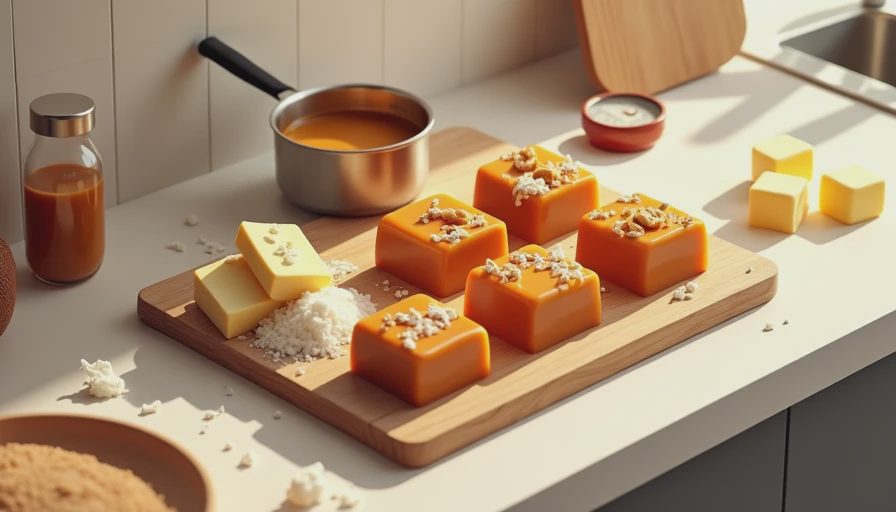
Line an eight-inch square metal pan with parchment, leaving paper over two sides so the candy can be lifted out. Lightly butter the parchment. Warm the cream and butter together in a small saucepan until the butter melts and the mixture is hot, but do not let it boil hard. Warm dairy blends into hot sugar more smoothly than cold cream, which can cause splattering and uneven cooking.
In a heavier three-quart saucepan, combine the granulated sugar, allulose, corn syrup, and two tablespoons of water. Cook over medium heat until the mixture turns amber around the edges. Swirl the pan rather than stirring constantly. Once the sugar is evenly golden, carefully pour in the hot cream mixture in a slow stream. The mixture will bubble aggressively, so use a long-handled silicone spatula and keep your face and hands away from the steam.
Cook until the candy reaches 244 to 246 degrees Fahrenheit on a reliable candy thermometer. That range gives a soft, bendable caramel in my kitchen. At 248 degrees, the finished candy will be firmer and better for wrapping. Remove the pan from the heat, stir in the salt, and pour immediately into the prepared pan. Do not scrape the dark residue from the bottom if it smells burnt.
Temperature Is the Texture Control
For homemade caramels, the thermometer is more useful than a visual guess. A few degrees can separate a spoonable sauce from a candy that holds its shape. Your pan, burner, altitude, and thermometer all affect the timing, so temperature is the practical target.
At 238 to 240 degrees, expect a soft caramel that works well as an ice cream topping but may not cut cleanly. At 244 to 246 degrees, it should cool into a tender square that bends before it breaks. At 248 to 250 degrees, it becomes chewier and more resistant to warm kitchen temperatures. Above that range, the candy can turn hard, bitter, or sticky in an unpleasant way.
Let the slab cool at room temperature for at least four hours before cutting. Refrigerating it speeds the process, but condensation can collect on the surface and make wrapping difficult. Once set, use a lightly oiled chef's knife and wipe the blade between cuts. For neat homemade caramels, cut a two-inch strip, then divide each strip into one-inch pieces.
Flavor Ideas That Make Less Sugar Taste Intentional
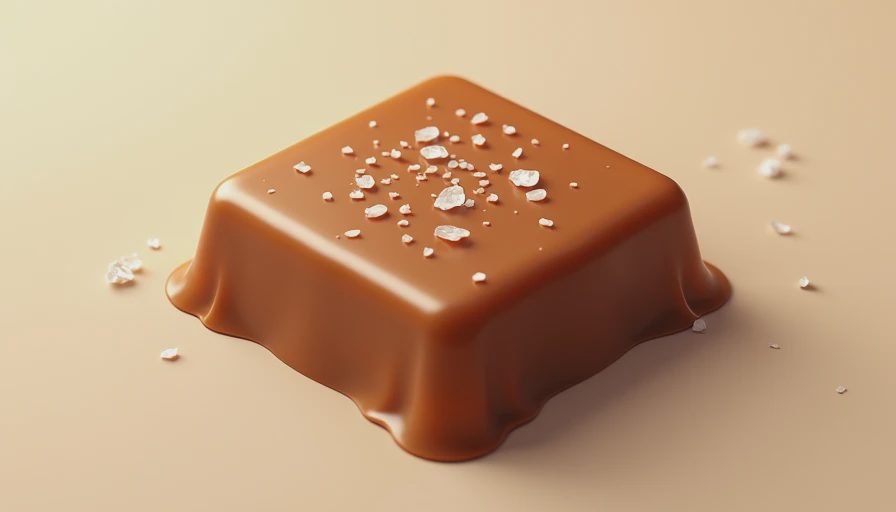
Lower sweetness gives other flavors room to speak. Finish the batch with flaky sea salt for a salted caramel that tastes bright rather than heavy. Add one teaspoon of vanilla extract after cooking, or stir in half a teaspoon of espresso powder with the salt for a coffeehouse note. A tablespoon of bourbon can work beautifully, but add it off the heat and expect extra bubbling.
For a holiday version, use a pinch of cinnamon and a little orange zest. Toasted pecans add crunch and make a small serving feel substantial. Stir in nuts only after the candy has stopped bubbling, and use no more than three-quarters cup for this pan size. Too many mix-ins interfere with clean cutting and make the candy harder to wrap.
I also like dipping half of each piece in dark chocolate, not coating the entire batch. The bitterness of chocolate balances the caramel's sweetness, and a partial dip gives you contrast without turning a modest portion into a large confection.
Storage, Portions, and Honest Nutrition
Wrap individual homemade caramels in wax paper or small squares of parchment, then store them in an airtight container at cool room temperature for up to two weeks. In a warm kitchen, refrigerate them, but let pieces sit for several minutes before eating so the texture can soften. Moisture is the enemy of a good finish, so avoid storing them beside fruit, bread, or anything steamy.
A smaller-sugar recipe is still candy. One piece can fit comfortably into a celebration, but it does not become carb-free because allulose is included. Allulose is handled differently from regular sugar, while the granulated sugar, cream, and corn syrup still contribute carbohydrate. Anyone managing diabetes should count the actual ingredients and serving size using their personal nutrition plan.
The most useful portion strategy is simple: cut small pieces, place them on a plate, and eat one slowly with coffee or after a meal. A one-inch caramel delivers more satisfaction than grabbing several pieces from an open container. This is dessert with boundaries, not dessert with guilt.
Troubleshooting Homemade Caramels
If the candy is grainy, the sugar probably crystallized. Make sure the pan sides are clean, avoid aggressive stirring after the syrup begins boiling, and include the corn syrup. If the candy is too soft, return it to the saucepan with a tablespoon of cream and cook it again to about 248 degrees. If it is too hard, chop it into pieces and melt it gently with two or three tablespoons of cream for a quick caramel sauce.
If the finished homemade caramels taste bitter, the syrup went too far before the dairy was added. Amber is good; dark brown with a sharp burnt aroma is not. If they taste flat, add salt next time rather than immediately adding more sugar. Salt strengthens the perception of caramel flavor, while vanilla rounds out the finish.
The best batch will not be identical to a full-sugar confection, and that is an advantage rather than a failure. These homemade caramels are softer, less sugary, and more buttery, with a toasted flavor that makes a small square feel complete. Make them for a cookie exchange, tuck a few into a lunchbox treat, or serve them after dinner. The technique does the heavy lifting, so you can reduce the sugar without apologizing for dessert.


Letters
No letters yet — be the first to write.