
Your tongue does not measure sugar in grams. It measures sensation. Sweetness is a signal, not a substance, and different molecules trigger that signal in different ways. Some match sugar closely. Others only approximate it. A few actively fight against the rest of the food they are in.
Understanding this is the difference between a low-sugar dessert that satisfies and one that leaves people politely saying, “It’s interesting.”
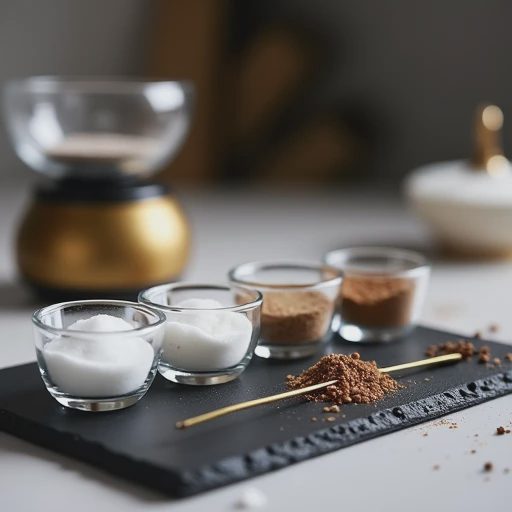
How Sweetness Actually Works
Taste buds contain receptors that respond to certain molecular shapes. When a sweet-tasting molecule fits those receptors, the brain receives the message “sweet.” Table sugar (sucrose) fits well and also delivers bulk, browning, and mouthfeel. Most alternative sweeteners are shaped differently. They can still flip the sweet switch, but the intensity, timing, duration, and side sensations vary.
This is why two desserts with identical “sweetness levels” on paper can feel completely different in the mouth.
The Main Players and How They Behave
Allulose
It triggers the sweet receptors at about 70 % the strength of sugar. The onset is clean and the finish is clean. Because it also provides bulk and participates in browning, the overall experience stays close to sugar. Most people do not detect an aftertaste. This is why it is one of the easiest sweeteners to use when you want the dessert to taste ordinary rather than “healthy.”
Monk fruit (mogrosides)
Extremely potent. A tiny amount lights up the sweet receptors strongly. The sweetness can arrive quickly and linger longer than sugar. Some people notice a slight fruity or cooling edge, especially at higher concentrations. When it is blended with allulose or erythritol, those edges usually disappear and the sweetness becomes much more sugar-like.
Erythritol
About 60–70 % as sweet as sugar. It often produces a cooling sensation (the same mild cooling you get from xylitol or menthol, though weaker). In warm cookies straight from the oven the cooling is barely noticeable. In cold cheesecake, frosting, or no-bake desserts it can be obvious. It also tends to recrystallize, which can create a slight grittiness over time.
Maple syrup, honey, dates
These contain real sugars, so they activate the receptors the same way sucrose does. Their advantage is extra flavor compounds that make the sweetness feel more complex and complete. Their limitation is that they still raise blood glucose and they contribute liquid or strong flavor that must be accounted for in the recipe.
Stevia (rebiana and related compounds)
Very potent and very polarizing. Some people taste only sweetness. Others taste bitterness or a metallic linger, especially at higher doses or in certain recipes. Heat and fat can mask some of the off-notes, but stevia remains the most unpredictable of the common options in baking.
Why the Trick Sometimes Fails
Sweetness is only one part of what makes dessert satisfying. When the sweetener delivers the right level of sweet but fails at everything else, the brain notices the mismatch.
Common failure points:
Missing bulk and texture — Pure high-intensity extracts sweeten without adding volume or tenderness. The dessert can taste sweet yet feel thin or dry.
Wrong timing — Some sweeteners hit fast and fade; others build slowly or linger. If the sweetness curve does not match the rest of the bite, the dessert feels “off.”
Cooling or bitterness — These side sensations clash with chocolate, vanilla, or fruit. Once noticed, they are hard to ignore.
Lack of browning and aroma — A large part of “sweet” flavor is actually smell. Sweeteners that do not brown produce fewer caramelized aroma compounds, so the dessert tastes flatter even if the tongue registers adequate sweetness.
Expectation — If someone knows the dessert is low-sugar, they often search for differences. Blind taste tests are more forgiving than informed ones.
This is why simply matching sweetness intensity on a chart is not enough. The whole sensory package has to hold together.
Practical Ways to Make the Trick Work
After years of testing, these approaches consistently produce better results:
Blend rather than rely on a single sweetener. Allulose for bulk, browning, and clean sweetness plus a small amount of monk fruit to lift the intensity is one of the most reliable combinations I use.
Keep a little real sugar or maple when flavor depth matters. Completely eliminating every trace of sucrose or maple often removes the very compounds that make sweetness feel rounded.
Match the sweetener to the temperature and format. Erythritol is more forgiving in warm, freshly baked cookies than in cold cheesecake. Powdered forms dissolve better in frostings than granular ones.
Use salt, acid, and aroma. A pinch of salt, a little lemon juice, vanilla, espresso powder, or toasted nuts can make lower sweetness feel more complete. These ingredients amplify the perception of sweetness without adding more sweetener.
Taste the batter or dough when safe. Sweetness perception does not change dramatically during baking with most alternative sweeteners. What you taste raw is usually close to the final result.
The Honest Limit
Some people are highly sensitive to the differences. Others barely notice. There is no universal sweetener that fools every tongue in every recipe. The goal is not perfection. The goal is a dessert that is enjoyable enough that no one feels they are settling.
When the sweetener supports texture, browning, and flavor at the same time, the tongue is usually willing to go along. When it only delivers sweetness and leaves the rest of the job undone, the trick falls apart.
Less sugar is easy. Same joy requires that the sweetness feel like it belongs.


Letters
No letters yet — be the first to write.