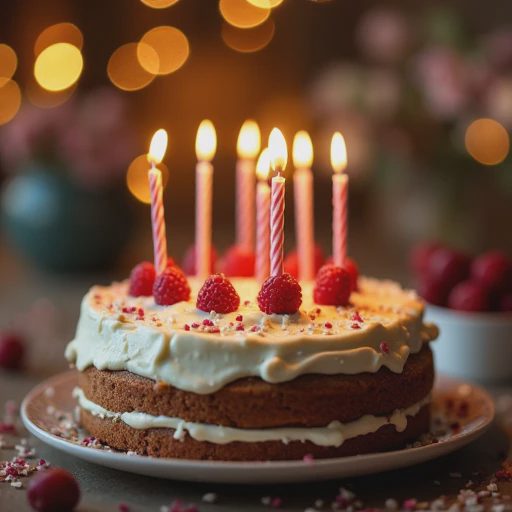
Birthday cake is not the place for austerity. It is also not a free pass to ignore everything you know about how sugar makes people feel an hour later. The Birthday Cake Rule in our house sits between those two extremes.
The rule is simple: the cake should feel like a celebration, and the people who eat it should still want to play, talk, or enjoy the rest of the party afterward. That standard has shaped every birthday cake I bake.
What the Rule Actually Means
A celebration cake has one primary job—to mark the day and make people happy. If it fails at that, the fact that it is lower in sugar is irrelevant. At the same time, a cake that leaves a table full of children (or adults) restless, crashy, or complaining of stomachaches has not fully succeeded either.
So I aim for cakes that deliver:
Clear “this is special” flavor and texture
Enough sweetness to satisfy without being cloying
A glycemic impact gentle enough that the afternoon or evening does not fall apart
In practice, that usually means reducing the sugar by 40–50 % compared with a classic bakery-style birthday cake, using sweeteners that protect texture and browning, and keeping portions reasonable rather than enormous.
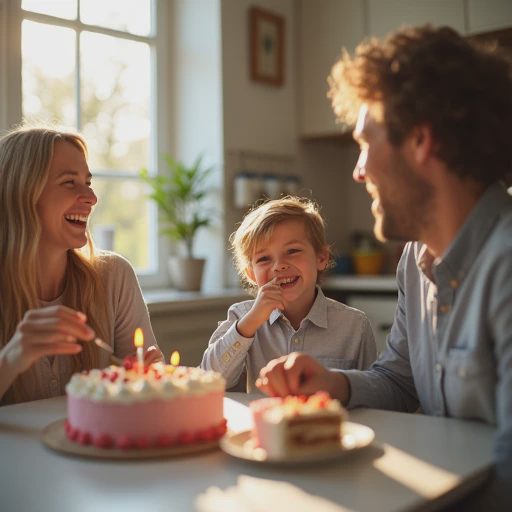
How I Build a Birthday Cake That Holds Up
Flavor and structure first
I start with recipes that already have good bones—chocolate, vanilla, lemon, or carrot—and then adjust the sweetener. Allulose does most of the heavy lifting for bulk and tenderness. A modest amount of real sugar, brown sugar, or maple keeps the flavor rounded and helps the crust or crumb color properly. Completely eliminating every trace of traditional sugar often makes the cake taste flat, even if the sweetness level is technically adequate.
Frosting that does not overpower
Traditional American buttercream can contain as much sugar as the cake itself. I use a cream-cheese frosting, a lightly sweetened whipped cream, or a Swiss meringue-style buttercream made with a powdered alternative sweetener. The goal is a frosting that tastes like part of the cake, not a separate sugar delivery system.
Fruit and contrast help
A layer of lightly sweetened berries, a tart citrus curd, or a thin smear of raspberry sauce between layers adds brightness and reduces the need for more sweetener in the cake or frosting. Contrast makes lower sweetness feel more complete.
Portion awareness without policing
I bake a cake that is worth eating and serve slices that are satisfying rather than gigantic. There is usually enough for seconds if someone wants one. There is rarely so much leftover that people keep grazing out of boredom.
What the Kids Expect
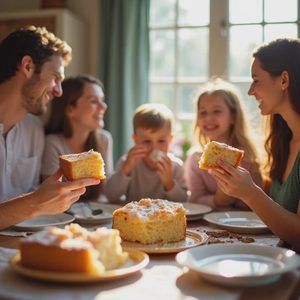
Sadie and Micah know that birthday cakes at home are “Mom cakes.” They also know that cakes at friends’ parties are often the full-sugar bakery version. Both are allowed. We do not treat the home version as inferior, and we do not treat the party version as forbidden. That distinction matters. When children grow up thinking home dessert is the lesser version, they learn to chase the other kind. When both can be enjoyed in context, the intensity around sugar softens.
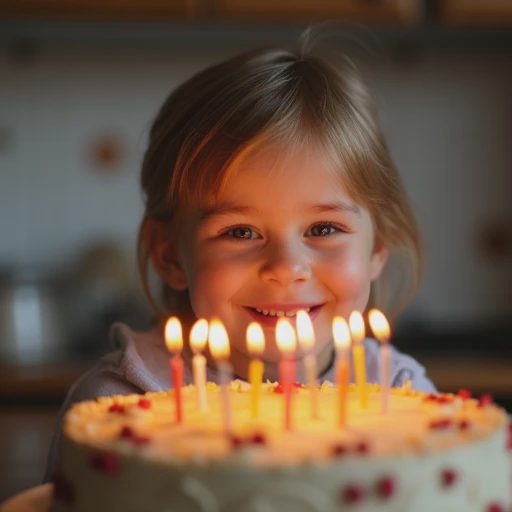
They have never once asked me to make the cake “more sugary.” They have asked for chocolate instead of vanilla, or for extra frosting flowers, or for the candles to be lit again so they can blow them out a second time. Those are the requests that actually matter on a birthday.
A Few Practical Standards I Keep
The cake must taste good on its own, not only “good for low-sugar.”
Texture still counts. Dry or gummy cake is not redeemed by a better nutrition profile.
Frosting sweetness should match the cake. A very sweet frosting on a modestly sweet cake throws the whole thing off.
I test new versions on non-birthday weekends first. Birthdays are not the time for experiments that might fail.
Store-bought decorations, fresh flowers, or simple piped borders make the cake feel finished without extra sugar.
The Real Point of the Rule
Celebrations are supposed to feel abundant. That abundance does not have to come from the maximum possible quantity of sugar. It can come from a cake that looks like a celebration, tastes like one, and leaves people feeling like continuing the day instead of recovering from it.
I have baked enough birthday cakes now to know that the lower-sugar versions, done carefully, do not diminish the moment. They protect it. The singing still happens. The candles still get blown out. The second helpings still get requested. The only real difference shows up an hour or two later, when the energy in the room remains usable.
That is the Birthday Cake Rule. Make it special. Make it good. Make it so the rest of the celebration can still happen.
Less sugar. Same joy.
Letters
No letters yet — be the first to write.