If you have ever stood over a saucepan wondering what does browned butter look like, you are in good company. The transformation happens quickly, and the difference between deeply nutty and unpleasantly burnt can be less than a minute. The good news is that your eyes, nose, and ears give you reliable clues. Once you know what to watch for, browned butter becomes one of the easiest ways to add rich flavor without adding extra ingredients or more sugar.
Start with the color, not the clock
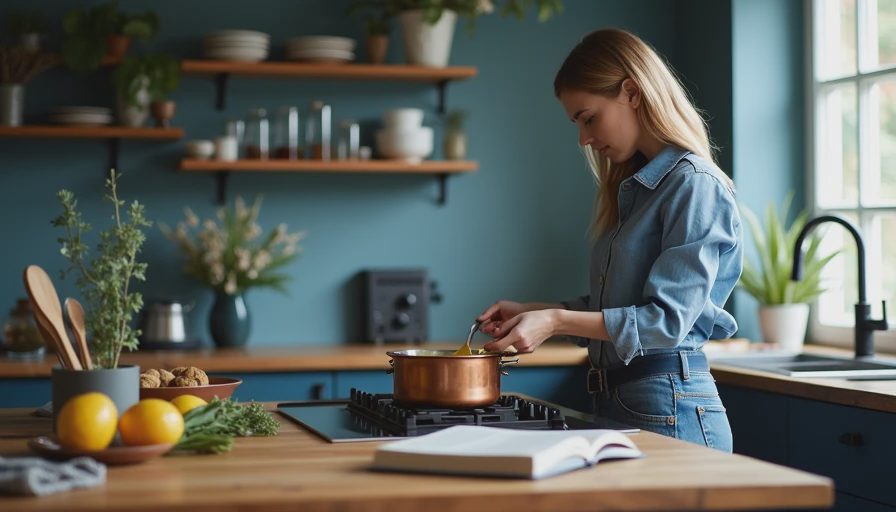
Melt unsalted butter in a light-colored saucepan over medium heat. A pale pan is useful because stainless steel lets you see the milk solids changing color; a dark nonstick pan can hide the most important stage. The butter will first look bright yellow and foamy. As the water cooks off, the foam will become thinner in places, and small white milk solids will appear at the bottom.
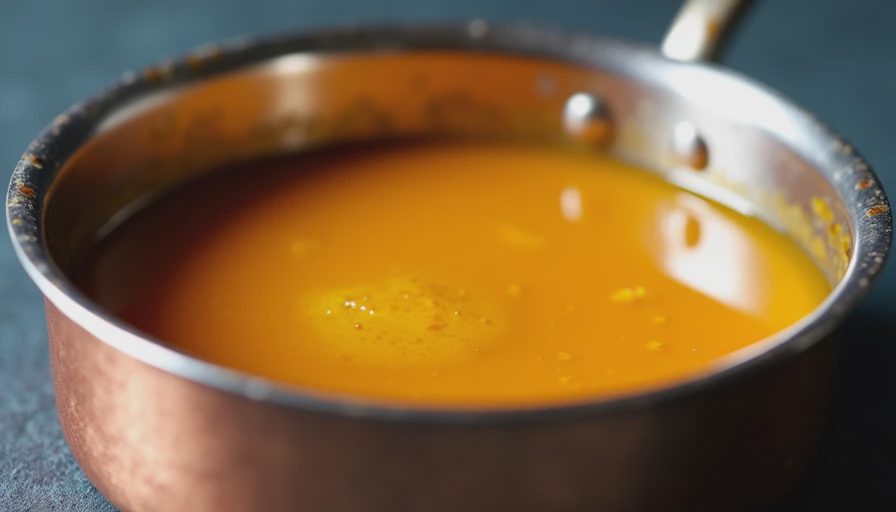
At the beginning, those solids look cream-colored. Then they turn pale gold, followed by golden brown. Properly browned butter usually has a warm amber color, similar to honey or light maple syrup, with tiny toasted brown flecks suspended in the liquid. It should not look black, gray, or uniformly dark. If the liquid itself is deep brown and the flecks are nearly black, the butter has probably gone past its best point.
What does browned butter look like at the exact moment you should remove it? Look for amber liquid and medium-brown specks, especially around the edges of the pan. The color will continue to deepen slightly from residual heat, so take the pan off the burner when the butter appears just a shade lighter than your target.
Use your ears and nose, too
Visual cues are important, but browned butter is a three-sense process. Melted butter usually bubbles loudly because its water content is evaporating. As the bubbling slows, gently swirl the pan so the milk solids do not sit in one hot spot. Near the finish, you will hear a quieter crackling sound, and then the pan will become noticeably calmer.
The aroma changes in stages. First, it smells simply buttery. Then it develops a scent like toasted hazelnuts, warm caramel, or freshly baked biscuits. That nutty smell is your strongest signal that the milk solids are toasting. If you smell acrid smoke, sharp bitterness, or burnt popcorn, move the butter immediately into a heatproof bowl. Leaving it in the hot pan can turn an almost-perfect batch into a bitter one.
When people ask what does browned butter look like, they are often really asking how brown is too brown. For cookies, blondies, banana bread, and muffins, medium amber butter with distinct brown specks gives the best balance. For a savory sauce, you might stop at a lighter gold stage so the flavor stays delicate. There is no prize for pushing the color darker.
Why the milk solids matter
Butter contains fat, water, and milk solids. The water evaporates first, while the milk solids settle and toast against the bottom of the pan. Those solids contain proteins and sugars that create the roasted, nutty flavor associated with browned butter. The fat carries that flavor through the finished recipe.
This also explains why browned butter behaves differently from ordinary melted butter. You lose some water during cooking, so the final amount is slightly smaller. If a recipe calls for 1 cup of melted butter, browning 1 cup will not produce a full cup afterward. For a precise bake, start with about 1 cup plus 2 tablespoons of butter, then cool the browned butter before measuring if the recipe depends on an exact quantity.
For cakes and cookies, browned butter should usually be cooled until warm rather than piping hot. Hot butter can melt sugar too quickly, soften dough, or partially cook eggs. If you want a thicker, chewier cookie, chill the browned butter until it becomes opaque and soft, then cream it with the other ingredients as directed.
What does browned butter look like in a recipe?
The appearance changes after you mix it into dough, so do not expect the finished cookie to show every fleck dramatically. In chocolate chip cookies, the brown specks may blend into the dough, but the flavor should still taste toasted and rounded. In vanilla cake, the flecks may be easier to see, particularly if you use browned butter in frosting or a glaze.
A practical test is to scrape the bottom of the pan with a wooden spoon. If you see many small golden-brown particles and the liquid smells sweetly nutty, you are ready to transfer it. What does browned butter look like when it is not ready? It looks foamy, pale yellow, and mostly clear of toasted specks. Give it another minute, swirling often, rather than relying only on elapsed time.
Common mistakes that make the color confusing
A crowded pan can make butter brown unevenly. Use a saucepan large enough for the butter to bubble without spilling, but not so wide that a thin layer heats too aggressively. Medium heat is more forgiving than high heat, especially on an electric stove that holds warmth after you adjust the dial.
Another mistake is stirring constantly with a spoon. Stirring is not harmful, but frequent swirling is usually enough and lets you see the solids. The white foam can also hide the color, so tilt the pan occasionally or pause for a few seconds as the bubbles settle. Keep a heatproof bowl beside the stove before you begin; transferring the butter is part of the process, not an emergency improvisation.
If your batch is too dark, do not use it in a delicate dessert. Burnt milk solids can dominate the flavor and add bitterness. If it is only slightly darker than intended but smells pleasant, it can still work beautifully in brownies, oatmeal cookies, or a maple glaze where other strong flavors provide balance.
A simple browned-butter routine
Cut the butter into even pieces so it melts at the same rate. Place it in a light-colored saucepan over medium heat and watch as it foams. Swirl the pan every few seconds once the foam begins to thin. When golden flecks become amber-brown and the aroma turns nutty, remove the pan from the heat. What does browned butter look like just before it burns? The specks darken rapidly, smoke appears, and the pleasant roasted aroma becomes harsh. Act before that point.
Pour the butter and every toasted fleck into a heatproof bowl. For an especially clean flavor, cool it for a few minutes before adding it to a recipe. A teaspoon of water can replace some lost moisture in certain baking formulas, but do not add water to hot fat in the pan because it can splatter. Most recipes are written with enough flexibility for a normal home batch.
Once you recognize amber color, toasted specks, quiet bubbling, and a hazelnut-like smell together, what does browned butter look like becomes an easy question to answer. The goal is not the darkest butter; it is butter with enough toasted milk solids to make the dessert taste deeper and more complete. Less sugar. Same joy.
Letters
No letters yet — be the first to write.