There is a particular kind of baking happiness in small batch chocolate chip cookies: six warm cookies on a cooling rack, no mountain of leftovers, and a kitchen that smells like browned butter. This version is for the night you want a real dessert without using two sticks of butter or half a bag of sugar. As a registered dietitian and longtime home baker, I built the recipe around enough sugar for tenderness and browning, but not so much that the cookies become cloying.
The recipe makes 8 cookies. Each one has crisp, lightly caramelized edges, a soft center, and enough dark chocolate to make the lower-sugar approach feel intentional rather than apologetic. Less sugar. Same joy.
Why a smaller batch needs different ratios
A standard cookie recipe is not always easy to divide. Halving an egg is awkward, and reducing sugar without replacing its bulk can leave cookies dry, pale, or cakey. Sugar does three jobs here: it sweetens, attracts moisture, and helps the edges spread and brown. We will reduce it modestly instead of removing it altogether.
For 8 cookies, use 4 tablespoons unsalted butter, 3 tablespoons packed light brown sugar, 1 tablespoon granulated sugar, 1 large egg yolk, 1/2 teaspoon vanilla extract, 1/2 cup plus 2 tablespoons all-purpose flour, 1/4 teaspoon baking soda, and 1/4 teaspoon fine salt. Add 1/3 cup semisweet or dark chocolate chips. A chopped 60% to 70% dark chocolate bar also works beautifully because irregular pieces create both melted pockets and crisp little shards.
The brown sugar keeps the centers pleasantly chewy, while the smaller amount of white sugar supports edge crispness. I would not replace all the sugar with a liquid sweetener. Maple syrup or honey changes the moisture balance and can make this small dough spread too aggressively.

How to make small batch chocolate chip cookies
Melt the butter in a small saucepan or microwave-safe bowl, then let it cool for five minutes. It should feel warm, not hot. Whisk in the brown sugar, granulated sugar, egg yolk, and vanilla until smooth and glossy. Cooling the butter matters because hot butter can partially cook the yolk and create a greasy dough.
In a separate bowl, stir together the flour, baking soda, and salt. Add the dry mixture to the butter mixture and fold just until no dry streaks remain. Stir in the chocolate. The dough will be soft, but it should hold a scoop when pressed together. If it looks oily or loose, refrigerate it for 15 minutes before portioning.
Scoop the dough into 8 portions, about 1 1/2 tablespoons each. Place them on a parchment-lined baking sheet with at least 2 inches between portions. For thicker small batch chocolate chip cookies, chill the shaped dough for 30 minutes. For flatter, crisper edges, bake it after a 10-minute rest at room temperature.
Bake at 350°F for 9 to 11 minutes. Pull the cookies when the edges are set and lightly golden while the centers still look a little underdone. They will finish cooking on the hot pan. Sprinkle with a pinch of flaky salt if you like the sweet-salty contrast, then cool for 10 minutes before moving them.
The texture decisions that make the recipe work
Butter temperature is the first major variable. Fully melted butter gives a chewier, flatter cookie, while softened butter beaten with sugar produces more lift. This recipe uses melted butter because it is practical for a small batch and gives a pleasantly dense center. Chilling prevents the dough from spreading into thin, lacy rounds.
Flour measurement matters, too. Spoon flour into a measuring cup and level it, or use a scale and weigh 70 grams. Packing extra flour into the cup is the fastest way to turn a tender cookie into a dry one. If your kitchen is warm, the dough may need the full 30-minute chill. If your butter was only barely melted, 15 minutes may be enough.
Do not judge doneness by the center alone. At 10 minutes, the middle should look soft and slightly shiny, but not wet. The cookies will firm as steam escapes. Baking until the centers look completely finished produces a crisp cookie after cooling, not the soft texture this formula is designed to provide.
Smart swaps without wrecking the dough
You can use whole-wheat flour for part of the all-purpose flour, but keep the swap to 2 tablespoons. More can make the cookies noticeably hearty and dry. For a gluten-free version, use a cup-for-cup flour blend that includes xanthan gum. The texture will depend on the blend, so let the dough rest for 10 minutes before deciding whether it needs chilling.
For less sweetness, use 1/4 cup total chocolate instead of 1/3 cup and choose a darker chocolate. I do not recommend removing more sugar from the dough on the first attempt; the cookies can lose their chewy texture and brown less effectively. A granulated stevia or monk fruit blend is not a one-for-one structural substitute unless its package specifically says it measures like sugar, and even then the result can be crisper or more fragile.
If you need an egg-free option, stir 1 tablespoon ground flaxseed with 2 1/2 teaspoons water and let it gel for five minutes. The cookies will be softer and slightly more tender, with less spread. That is a useful swap, but it will not produce exactly the same result as an egg yolk.
Storage, freezing, and a practical bake plan
These small batch chocolate chip cookies are best on the day they are baked, especially during the first two hours when the chocolate is still soft. Store cooled cookies in an airtight container at room temperature for up to three days. A slice of bread in the container can soften them, but replace it daily and do not store the cookies while warm, or condensation will make the edges limp.
To freeze the dough, portion it onto parchment, freeze until firm, then transfer the pieces to a labeled freezer bag. Bake directly from frozen at 350°F, adding about 2 minutes. The centers may stay especially thick, so gently press the dough portions before baking if you prefer a wider cookie. Frozen dough is best used within two months for the freshest flavor.
You can also bake four now and save four portions for another evening. That is one of my favorite features of small batch chocolate chip cookies: dessert stays deliberate. There is enough for a family taste-test or a couple of warm cookies with coffee, without turning a craving into an all-week baking project.
Troubleshooting your first tray
If the cookies spread too much, the butter was probably too hot, the dough needed more chilling, or the flour was undermeasured. Chill the remaining dough for 30 minutes and bake one test cookie before committing the rest. If it still spreads, mix in 1 teaspoon flour and test again.
If the cookies are puffy and dry, too much flour is the likely culprit, or they baked a minute too long. If they taste flat, add a pinch more salt next time; salt does not simply make dessert salty, it sharpens the chocolate and balances sweetness. If the bottoms darken before the centers set, move the baking sheet to a lighter-colored pan or stack one sheet beneath it.
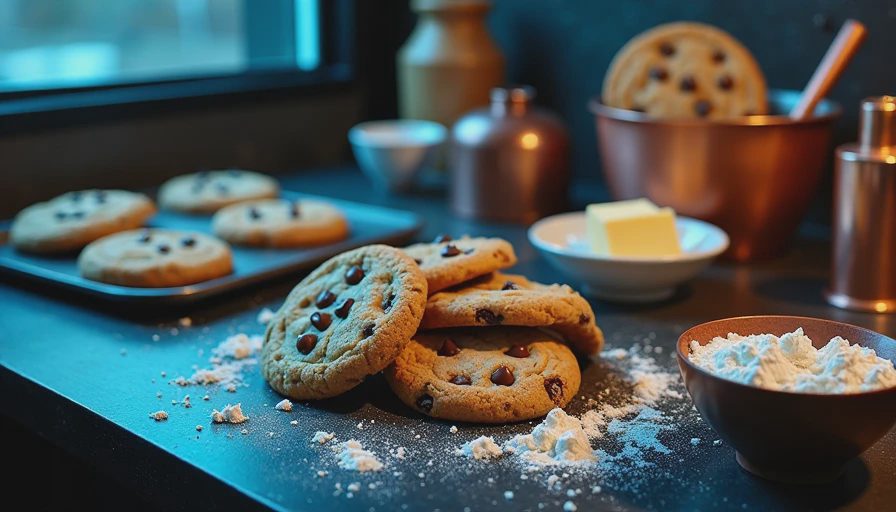
The ideal small batch chocolate chip cookies should look slightly imperfect. Craggy edges, melted chocolate streaks, and a center that settles as it cools are signs of a properly balanced dough. Make the recipe once as written, then adjust the chocolate or chilling time to suit your household. A smaller batch gives you room to experiment without wasting ingredients—and still delivers a dessert worth sharing.



Letters
No letters yet — be the first to write.