If you want to whip chocolate ganache into something airy, spreadable, and special-occasion worthy, the trick is not simply beating it longer. Ganache is an emulsion of chocolate and cream, and whipping works only after that emulsion has cooled to the right texture. I use a restrained amount of added sugar because good chocolate already brings plenty of sweetness. The result is less heavy than frosting, deeply chocolatey, and soft enough to swoop onto cupcakes or layer cakes.
Start with the right ganache ratio
For a reliable whipped ganache, begin with 8 ounces of chopped semisweet or bittersweet chocolate and 1 cup of heavy cream. This makes approximately 2 1/2 cups of frosting, enough for a two-layer 8-inch cake or 18 to 24 cupcakes, depending on how generously you pipe it. A 60% to 72% cacao chocolate gives the best balance: dark enough to taste grown-up, but not so bitter that you need to add a lot of sugar.
Place the chopped chocolate in a heatproof bowl. Warm the cream until it is steaming and just beginning to form tiny bubbles around the edge; do not let it boil hard. Pour it over the chocolate, wait two minutes, then stir slowly from the center outward. That motion helps create a smooth emulsion instead of a greasy mixture. Add 1 tablespoon of maple syrup or powdered sugar only if your chocolate tastes sharply bitter. I prefer maple syrup for a subtle caramel note, but powdered sugar produces a slightly firmer finish.
The sugar decision matters for more than sweetness. Sugar attracts water, so a small amount can keep the ganache supple. Too much, however, can make the frosting cloying and mask the flavor of the cocoa. For a dessert intended for children or a naturally sweet cake, skip added sugar altogether.
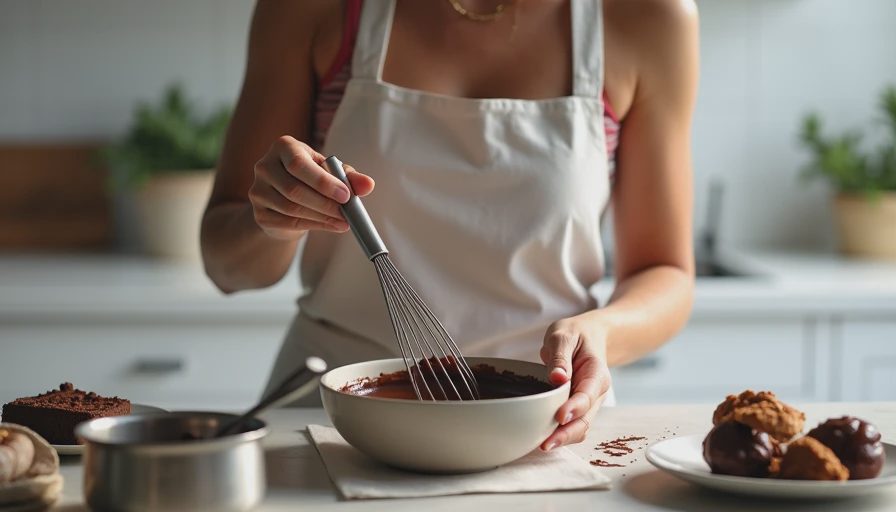
Cool it before you whip chocolate ganache
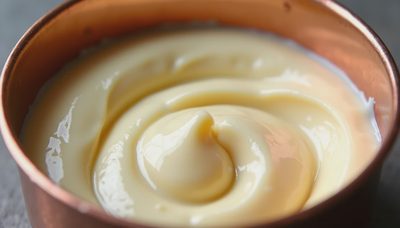
Temperature is the part most recipes rush. Warm ganache will not hold air; it will look glossy and loose in the bowl. Refrigerated ganache that has become completely firm will resist the beaters and can turn grainy. You want the consistency of soft peanut butter, cool to the touch but still easy to scoop.
Transfer the bowl to the refrigerator for 45 to 75 minutes, stirring every 15 to 20 minutes. The exact timing depends on the bowl’s width and the temperature of your refrigerator. A shallow metal bowl cools much faster than a deep glass one. If you are in a hurry, pour the ganache into a wide baking dish and chill it for about 25 minutes, stirring twice.
To whip chocolate ganache, use a hand mixer or stand mixer fitted with the whisk attachment. Start on low speed for 30 seconds, then increase to medium. Stop when the color lightens and soft peaks form. This usually takes two to four minutes. The frosting should mound gently when lifted, with a tip that bends over. If you keep mixing after that point, the ganache can become dense, curdled, or slightly oily.
Fix texture problems without starting over
A grainy ganache usually means the chocolate overheated, the cream was too hot, or the mixture cooled unevenly. Set the bowl over a pan of barely simmering water and stir gently until the texture smooths out. Remove it from the heat immediately, then cool it again before whipping. Do not add cold cream directly to a grainy mixture; that can make the emulsion even more unstable.
If the ganache stays runny after chilling, the chocolate-to-cream ratio is probably too light for the chocolate you used. Melt 1 to 2 ounces of additional chopped chocolate, stir it into the ganache, and chill again. If it becomes stiff and difficult to beat, let it sit at room temperature for 10 minutes. A tablespoon of warm cream can loosen it, but add that liquid gradually.
When you whip chocolate ganache too far, the texture resembles thick chocolate buttercream rather than a cloudlike frosting. Sometimes a tablespoon of warm cream folded in by hand will rescue it. If the mixture has separated into greasy streaks, gently warm a quarter of it, stir until smooth, and blend it back into the remaining ganache before chilling.
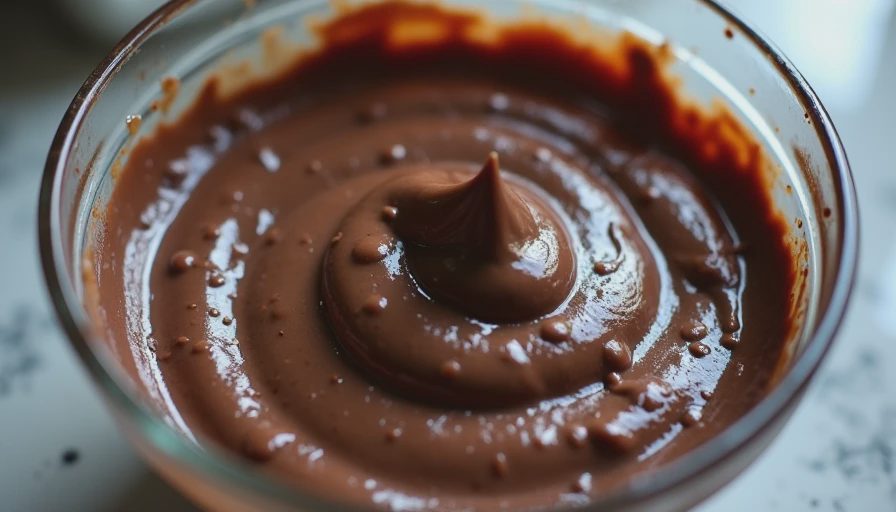
Make it lower in sugar without losing pleasure
Chocolate ganache is a useful dessert for lower-sugar baking because its structure comes mainly from cocoa butter and cream, not granulated sugar. That means you should not automatically replace sugar with a large volume of a sugar substitute. Granular erythritol can leave a cooling sensation and a faintly sandy texture, especially after refrigeration. Stevia can work in a tiny amount, but too much brings a noticeable aftertaste.
Instead, choose a chocolate with the sweetness level you actually enjoy. A semisweet bar often needs no extra sweetener when paired with berries, banana cake, or a lightly sweetened vanilla sponge. For a darker bar, 1 tablespoon of maple syrup in the full batch is a practical starting point. That amount adds flavor and softness without turning the frosting into a sugar-heavy topping. People managing diabetes or monitoring carbohydrate intake should still count the chocolate, cream, and serving size; lower sugar does not mean carbohydrate-free.
For extra flavor without extra sweetness, add 1/2 teaspoon of vanilla extract, a pinch of fine salt, or 1 teaspoon of instant espresso powder dissolved in the hot cream. Espresso does not make the ganache taste like coffee when used sparingly. It amplifies the chocolate, much like salt makes a caramel taste more caramel-like.
Where to use whipped ganache
Spread the finished ganache between cake layers immediately after whipping, while it is soft and easy to move. For cupcakes, spoon it into a piping bag and use a large open star tip. Chill the cupcakes for 15 minutes afterward so the swirls set without becoming hard. The frosting also works between oatmeal cookies, over roasted pears, or alongside strawberries.
If you plan to whip chocolate ganache a day ahead, cover it directly on the surface and refrigerate it. Let it sit at room temperature for 20 to 30 minutes, then beat it briefly on low to restore its creamy texture. Do not leave a cream-based ganache at room temperature all afternoon, especially in a warm kitchen. Store finished desserts in the refrigerator and bring them out shortly before serving.
A batch can also become a simple truffle filling. Chill it until firm, scoop small portions, and roll them in unsweetened cocoa powder, toasted nuts, or shredded coconut. Because the ganache is not overly sweet, the coatings taste like a deliberate contrast rather than a sugar overload.
My practical formula for a better finish
Use finely chopped chocolate, warm cream, and patience during cooling. Stir from the center until the mixture is smooth before adding flavorings. Chill until soft, not solid, and beat only until the whisk leaves gentle ridges. Those four steps matter more than expensive equipment. A $15 hand mixer can produce excellent results when the temperature is right.
I also recommend tasting before you add sweetener. The cake underneath contributes sweetness, and fruit contributes acidity and natural sugar. A frosting that seems only moderately sweet on its own can taste perfectly balanced on a slice of cake. That is how I get a rich dessert with less added sugar and no apology attached.
Whipped ganache rewards a little attention, but it is not fragile once you understand the science. Keep the emulsion smooth, cool it gradually, and stop mixing at soft peaks. Then you can whip chocolate ganache into a frosting that feels luxurious, tastes intensely chocolatey, and lets the rest of dessert shine. Less sugar. Same joy.
Letters
No letters yet — be the first to write.